

Summary
Across the U.S., more people are gravitating toward simpler food choices—short ingredient lists, familiar staples, and less processing. This shift reflects growing concerns about health, cost, trust in food systems, and daily stress. Food simplicity isn’t a fad; it signals a broader rethinking of how Americans eat, shop, and cook.
Why “Food Simplicity” Is Entering the National Conversation
For decades, American food culture emphasized convenience, variety, and novelty. Grocery aisles expanded, ingredient lists grew longer, and meals increasingly came pre-assembled. Recently, however, a different pattern has emerged. Consumers are showing renewed interest in foods that are recognizable, minimally processed, and easy to prepare at home.
This trend isn’t about nostalgia or rejecting modern nutrition science. It reflects a desire for clarity—knowing what’s in food, how it’s prepared, and how it fits into everyday life. In surveys by organizations such as the International Food Information Council (IFIC), a growing share of Americans report prioritizing “simple ingredients” and “fewer additives” when making food decisions.
Food simplicity resonates because it aligns with practical concerns: rising grocery costs, limited time, conflicting dietary advice, and growing awareness of how food choices affect long-term health.
What Americans Mean When They Say “Simple Food”
Food simplicity is often misunderstood as eating bland meals or cutting out entire food groups. In reality, most Americans define it more pragmatically.
At its core, food simplicity usually involves:
- Foods with short, understandable ingredient lists
- Cooking methods that don’t require specialized equipment
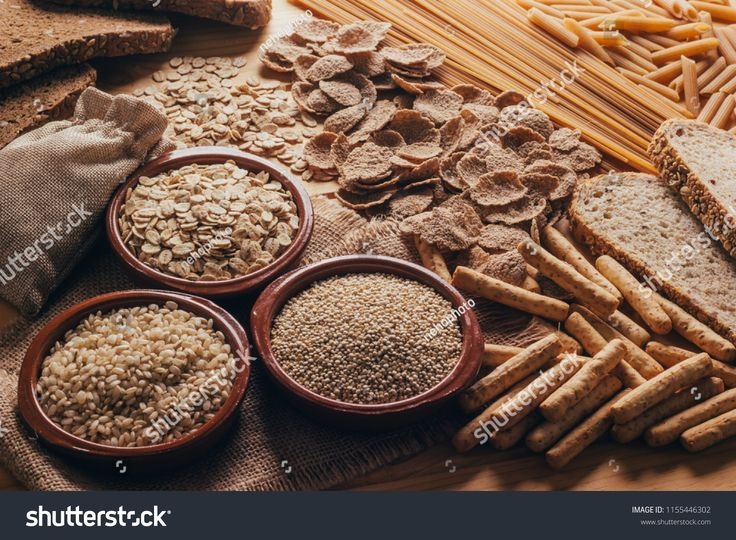
- Meals built around familiar staples like vegetables, grains, beans, eggs, and proteins
- Consistent routines rather than constant experimentation
For example, a simple dinner might be roasted chicken, seasonal vegetables, and rice—nutrient-dense, adaptable, and affordable. The emphasis is less on perfection and more on sustainability: meals people can repeat week after week without burnout.
This interpretation aligns with dietary guidance from the U.S. Department of Agriculture (USDA), which emphasizes balanced meals and whole foods over rigid rules.
The Health Factors Driving the Shift
Health concerns are a major driver behind the move toward simpler eating patterns. Research consistently links diets high in ultra-processed foods to higher risks of obesity, cardiovascular disease, and type 2 diabetes. A 2019 study published in The BMJ found that increased consumption of ultra-processed foods was associated with higher all-cause mortality.
As a result, many Americans are reassessing how much processing they want in their daily meals. Food simplicity offers a practical response—one that doesn’t require strict elimination diets or constant label scrutiny.
Importantly, simplicity also supports consistency. Registered dietitians frequently note that sustainable eating habits matter more than short-term dietary intensity. When meals are easy to prepare and repeat, people are more likely to stick with them over time.
Cost, Inflation, and the Return to Basics
Rising food prices have accelerated interest in simpler diets. According to Bureau of Labor Statistics data, grocery prices in the U.S. rose significantly between 2020 and 2023, prompting households to rethink spending habits.
Simple foods tend to be:
- More affordable per serving
- Easier to buy in bulk
- Less dependent on specialty products
Cooking from basic ingredients—dry beans, oats, eggs, frozen vegetables—offers greater control over cost without sacrificing nutrition. For families managing tight budgets, food simplicity becomes less of a lifestyle choice and more of a necessity.
This shift also explains renewed interest in meal planning, batch cooking, and home-prepared lunches—habits that had declined during the peak convenience-food years.
How Food Simplicity Fits Into Busy Modern Lives
One misconception is that simpler eating requires more time. In practice, it often reduces decision fatigue. Fewer ingredients, fewer recipes, and predictable meals make grocery shopping and cooking more efficient.
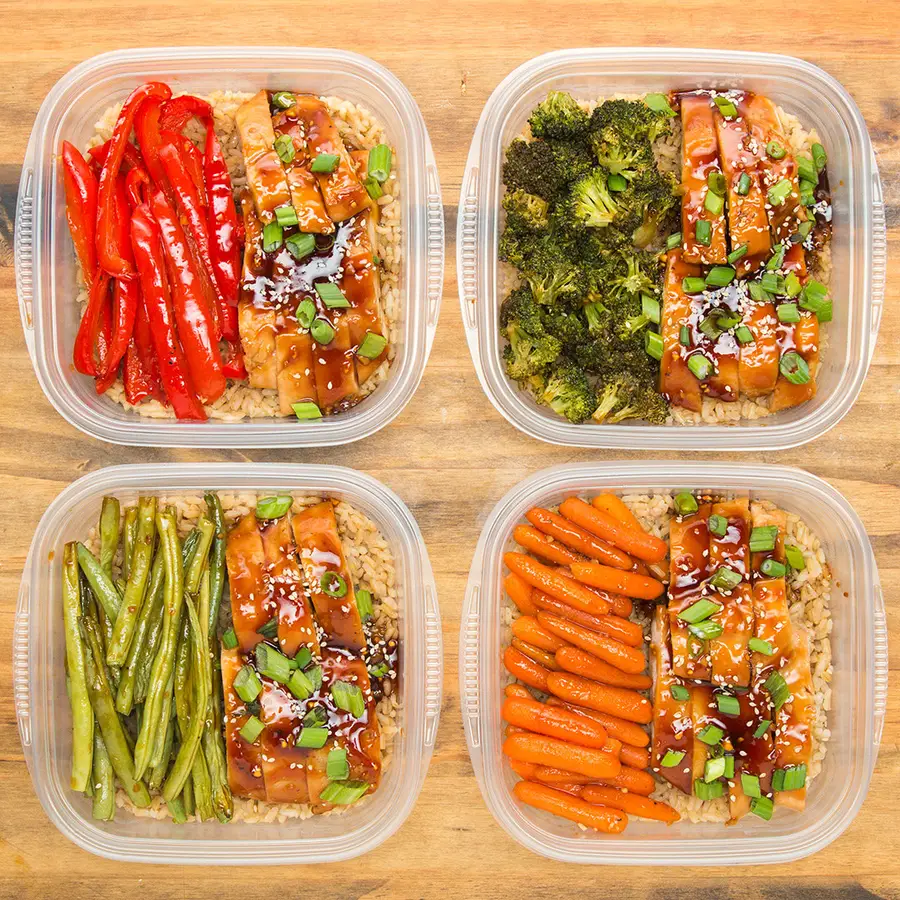
Busy professionals increasingly rely on “core meals”—a small rotation of breakfasts, lunches, and dinners that cover nutritional needs without daily reinvention. For example:
- Breakfast: oatmeal with fruit and nuts
- Lunch: grain bowls with vegetables and protein
- Dinner: sheet-pan meals or slow-cooker recipes
These routines free up mental energy while still allowing flexibility when social occasions or cravings arise.
The Role of Trust and Transparency
Food simplicity is also about trust. Many consumers feel overwhelmed by health claims, functional additives, and marketing language that’s difficult to verify. Choosing straightforward foods—apples instead of apple-flavored snacks, yogurt instead of dessert cups—feels more transparent.
Food manufacturers have taken notice. Industry reports show increased demand for “clean label” products, with fewer artificial ingredients and clearer labeling. While not all “simple” labels guarantee nutritional quality, the broader movement reflects a desire for honesty and comprehension.
Is Food Simplicity the Same as “Clean Eating”?
Although often grouped together, food simplicity and “clean eating” are not identical. Clean eating, especially online, has sometimes drifted toward rigid rules and moral judgments about food. Food simplicity, in contrast, tends to be more flexible and inclusive.
Key differences include:
- Flexibility: Simple eating allows occasional convenience foods without guilt
- Neutral language: Foods are not labeled as “good” or “bad”
- Practical focus: Emphasis is on what works long term
This distinction matters, particularly for mental health. Research in nutrition psychology suggests that overly restrictive food rules can increase stress and disordered eating behaviors. Simplicity, when applied thoughtfully, reduces pressure rather than adding it.
What This Trend Signals About Future Diet Patterns
The growing interest in food simplicity suggests that Americans are shifting away from extreme dietary identities and toward adaptable frameworks. Instead of chasing the newest diet trend, people are asking more foundational questions: Can I afford this? Can I maintain it? Does it fit my life?
Future diet trends are likely to emphasize:
- Fewer rules, more principles
- Familiar foods prepared well
- Balance over optimization
Healthcare professionals increasingly support this approach, noting that long-term dietary quality depends on habits people can sustain through life changes, stress, and aging.
Common Questions Americans Are Asking
Is eating simple food healthier than following a specific diet plan?
Often, yes. Simple eating supports consistency, which is a major predictor of long-term health outcomes.
Does food simplicity mean avoiding all processed foods?
No. It generally means limiting ultra-processed foods, not eliminating all processing.
Can simple eating meet protein and nutrient needs?
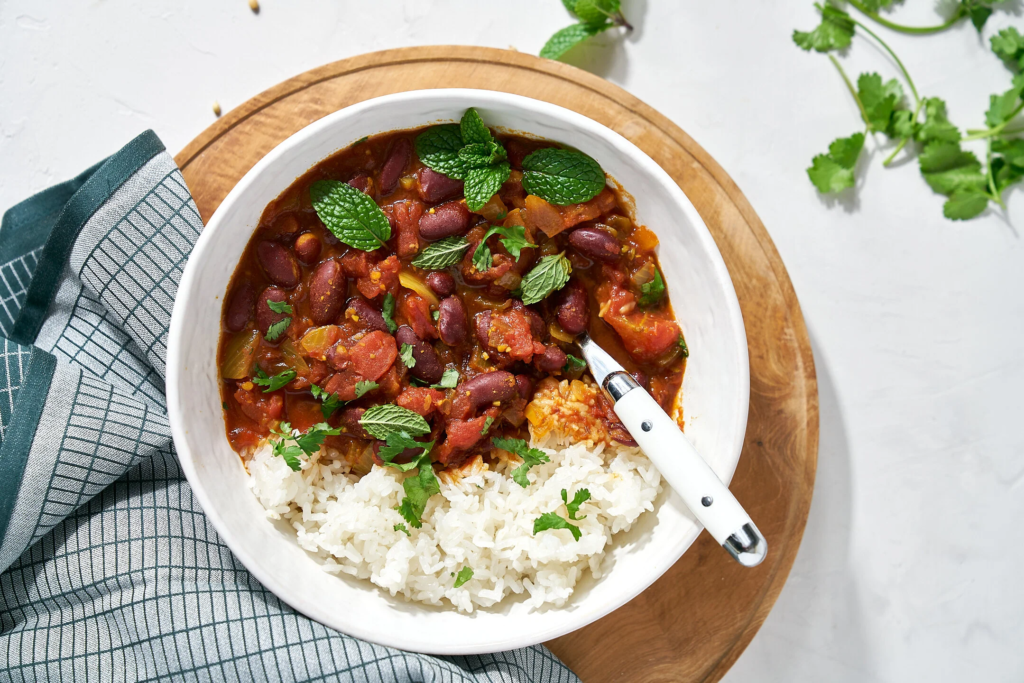
Yes, when meals include a variety of whole foods like beans, dairy, eggs, meat, fish, grains, and vegetables.
Is this trend suitable for families with kids?
Many families find simple meals easier to plan, cook, and adapt to different preferences.
Does simple eating take more time?
In most cases, it saves time by reducing meal decisions and shopping complexity.
Is food simplicity compatible with cultural cuisines?
Absolutely. Many traditional cuisines are inherently simple and balanced.
Can simple eating support weight management?
It can, especially by emphasizing satiety and regular meal patterns.
Is this approach supported by nutrition experts?
Yes. Many registered dietitians promote simplicity as a foundation for sustainable nutrition.
Will food simplicity replace popular diets like keto or paleo?
It’s more likely to coexist as a flexible alternative rather than replace them entirely.
Where Simplicity Leaves Room for Choice
Food simplicity doesn’t ask Americans to eat the same meals forever or reject innovation. Instead, it provides a stable base—one that leaves room for enjoyment, cultural expression, and occasional indulgence. As diet trends continue to evolve, simplicity may be less about what people give up and more about what they regain: clarity, confidence, and ease.
A Quiet Recalibration of How Americans Eat
Food simplicity reflects a broader recalibration—not a rejection of nutrition science, but a refinement of it. As Americans navigate health concerns, economic pressures, and information overload, simpler food choices offer a grounded, realistic path forward—one built on habits that can last.
Key Signals Worth Noticing
- Simplicity is driven by practicality, not trendiness
- Fewer ingredients often mean fewer barriers to consistency
- Cost, trust, and mental ease are shaping modern diet choices
- Sustainable eating now outweighs dietary extremes