

Summary
As Americans grow older, protein is no longer viewed only as fuel for athletes or weight loss. New research and lived experience are reshaping how adults think about protein’s role in muscle preservation, metabolism, independence, and healthy aging. This article explores what’s changing, why it matters after midlife, and how to apply the insights in everyday eating.
The Quiet Shift in How Americans Think About Protein
For decades, protein occupied a narrow space in American nutrition culture. It was either associated with bodybuilding, dieting trends, or specific foods like steak and eggs. Today, that view is changing—especially among adults over 40.
Rather than asking “How much protein do I need to lose weight?”, many Americans are asking more nuanced questions: Am I eating enough protein to maintain muscle? Does protein help with aging? Should intake change as activity levels shift?
This shift is driven by several converging forces. Americans are living longer, remaining active later in life, and becoming more aware that muscle health affects balance, metabolism, and independence—not just appearance. Nutrition guidance from organizations like the National Institutes of Health and the Centers for Disease Control and Prevention increasingly emphasizes healthy aging, not just disease prevention.
Protein is now being discussed as a functional nutrient—one that supports daily life, not just fitness goals.
Why Protein Needs Change With Age
Starting in the late 30s and accelerating after 50, adults naturally begin to lose muscle mass in a process known as age-related muscle decline. While this process is gradual, its effects compound over time, influencing strength, mobility, insulin sensitivity, and recovery from illness.
Research published in peer-reviewed journals shows that older adults require more protein per pound of body weight than younger adults to stimulate the same muscle-building response. This is partly due to reduced muscle sensitivity to dietary protein.
Key age-related factors that increase protein needs include:
- Reduced muscle protein synthesis efficiency
- Lower total calorie intake with age
- Periods of illness or inactivity that accelerate muscle loss
- Hormonal changes affecting muscle maintenance
In practical terms, many Americans are eating less protein precisely when their bodies benefit from more.

How Much Protein Is “Enough” for Older Adults?
The Recommended Dietary Allowance (RDA) for protein in the U.S. has remained at 0.8 grams per kilogram of body weight for adults. However, many nutrition scientists argue this amount reflects the minimum needed to avoid deficiency—not the optimal amount for healthy aging.
Emerging consensus among researchers suggests that adults over 40 may examples benefit from:
- Roughly 1.0–1.2 grams of protein per kilogram of body weight daily
- Even higher intake during illness, recovery, or strength training
For example, a 160-pound adult (about 73 kg) may do better with closer to 75–90 grams of protein per day, rather than the traditional 58 grams suggested by the RDA.
Experts from institutions such as the Harvard T.H. Chan School of Public Health have highlighted that protein quality and distribution across meals matter just as much as total intake.
Protein Timing Matters More Than Americans Realized
One of the most meaningful changes in protein guidance is when Americans consume protein.
Traditionally, many people eat light breakfasts, moderate lunches, and protein-heavy dinners. This pattern may not be ideal for muscle maintenance later in life. Research suggests that spreading protein more evenly across meals improves muscle protein synthesis.
A more balanced approach might look like:
- Breakfast with 20–30 grams of protein
- Lunch with 25–35 grams
- Dinner with 25–35 grams
This doesn’t require dramatic dietary changes—just intentional planning. Adding Greek yogurt to breakfast, choosing protein-rich soups or salads at lunch, or modestly reducing oversized dinner portions can rebalance intake.
Protein Quality: More Than Just “Animal vs. Plant”
Another rethink underway involves protein sources. While animal proteins are often considered “complete” due to their amino acid profiles, plant-based proteins are gaining recognition for their role in long-term health.
What matters most is overall amino acid intake, digestibility, and variety. Many Americans now combine protein sources across the day rather than relying on a single type.
High-quality protein sources commonly recommended include:
- Lean poultry, fish, eggs, and dairy
- Legumes such as lentils, beans, and chickpeas
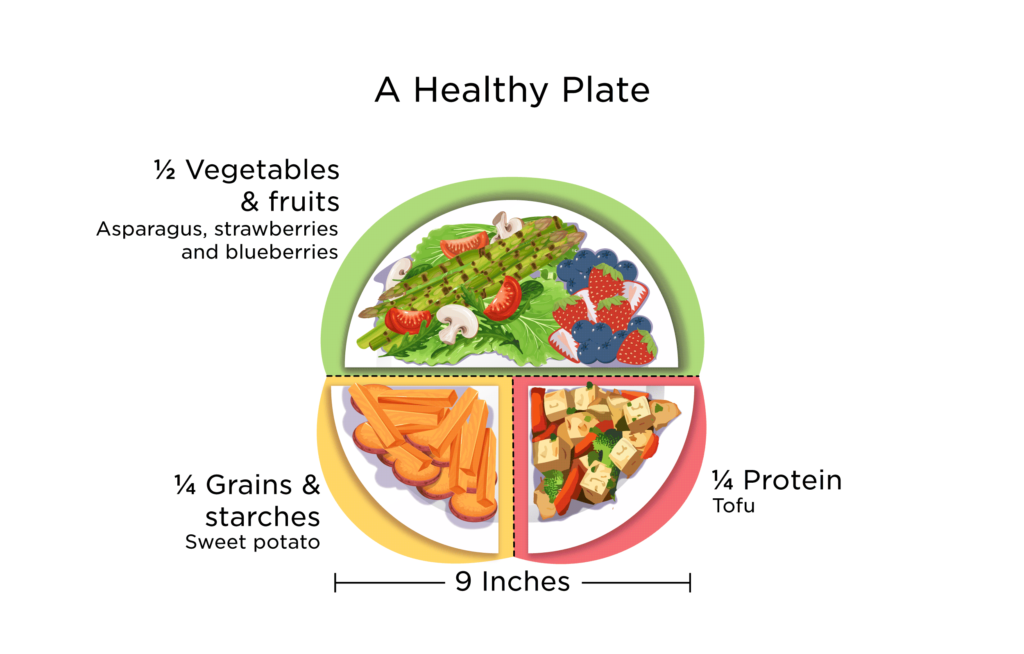
- Soy foods like tofu and edamame
- Nuts, seeds, and whole grains when combined properly
Older adults benefit from ensuring sufficient leucine intake—an amino acid that helps trigger muscle protein synthesis—regardless of whether protein comes from animal or plant sources.
Protein, Weight Management, and Metabolic Health
Protein’s role in metabolism becomes more important with age. Muscle tissue plays a key role in glucose regulation and resting metabolic rate. As muscle mass declines, metabolic health can suffer.
Adequate protein intake helps:
- Preserve lean muscle during weight loss
- Improve satiety and appetite regulation
- Support blood sugar stability
Many Americans unintentionally under-eat protein when trying to “eat lighter” or reduce calories. Over time, this can worsen muscle loss and make weight management harder, not easier.
Real-World Eating Patterns: Where Americans Fall Short
National dietary surveys consistently show that adults over 50 often consume less protein than recommended—especially women. Common reasons include reduced appetite, dental issues, digestive concerns, or outdated beliefs that protein is “hard on the kidneys” for healthy individuals.
In practice, protein gaps often appear at:
- Breakfast (toast, cereal, fruit-only meals)
- Snacks (refined carbs with minimal protein)
Simple adjustments—like adding cottage cheese, eggs, nut butters, or protein-rich soups—can close these gaps without increasing total calories dramatically.
Addressing Common Concerns and Misconceptions
As protein awareness grows, so do questions and concerns.
Some Americans worry about kidney health. Current evidence shows that higher protein intake is safe for healthy adults without kidney disease. Others assume protein supplements are necessary. In reality, most people can meet needs through whole foods with thoughtful planning.
Another misconception is that strength training must accompany higher protein intake. While resistance exercise enhances protein’s benefits, protein alone still supports muscle preservation, especially during periods of inactivity or illness.
Protein and Independence Later in Life
Perhaps the most compelling reason Americans are rethinking protein is its connection to independence. Muscle strength supports everyday tasks—climbing stairs, carrying groceries, preventing falls, and recovering from surgery or illness.
Protein intake doesn’t guarantee longevity, but it strongly influences how well people live as they age. Maintaining strength, balance, and resilience allows older adults to remain active participants in their own lives.
Frequently Asked Questions
1. Do protein needs really increase with age?
Yes. Aging muscles respond less efficiently to protein, so higher intake helps compensate.
2. Is too much protein harmful for older adults?
For healthy individuals, higher protein within recommended ranges is considered safe.
3. Should older adults use protein supplements?
Whole foods are preferred, but supplements can help when appetite or access is limited.
4. Is plant protein effective for muscle maintenance?
Yes, when consumed in adequate amounts and variety.
5. Does protein help prevent frailty?
Adequate protein supports muscle strength, which reduces frailty risk.
6. How much protein should be eaten per meal?
Around 25–35 grams per meal is often effective for older adults.
7. Does protein affect bone health?
Protein supports bone structure when combined with adequate calcium and vitamin D.
8. Can protein help with recovery from illness?
Yes. Protein supports tissue repair and immune function during recovery.
9. Is breakfast protein really that important?
Yes. Skipping protein early in the day may reduce total intake and muscle benefits.
Why Protein Is Becoming a Lifelong Nutrition Priority
Protein is no longer a niche concern tied to gym culture or short-term diets. For Americans thinking about aging well, it has become a cornerstone of long-term health planning. The conversation has matured—from how much protein to eat, to how, when, and why it supports a resilient body over decades.
Key Ideas Worth Remembering
- Protein needs often increase—not decrease—with age
- Spreading protein across meals improves muscle support
- Quality, variety, and consistency matter more than extremes
- Adequate protein supports strength, metabolism, and independence