

Summary
Physical fitness plays a measurable role in improving mental focus, cognitive endurance, and day-to-day productivity. By enhancing brain blood flow, regulating stress hormones, and supporting sleep quality, regular physical activity helps people think more clearly, work more efficiently, and sustain attention in demanding environments—without relying on extremes or time-intensive routines.
Why Mental Focus and Productivity Are Struggling Today
Many Americans report difficulty concentrating for sustained periods, even during routine tasks. Long hours at a desk, constant digital interruptions, irregular sleep, and elevated stress have made focus harder to maintain. Productivity challenges are no longer confined to high-pressure jobs; they affect students, remote workers, caregivers, and retirees alike.
While productivity apps and time-management systems offer some help, they often address symptoms rather than underlying causes. Mental focus is not just a cognitive skill—it is a physiological state. The condition of the body directly influences the brain’s ability to sustain attention, process information, and regulate emotional responses to work demands.
Physical fitness, when approached as a consistent lifestyle habit rather than an extreme pursuit, provides one of the most reliable foundations for cognitive performance.
How Physical Fitness Influences the Brain
The connection between movement and mental clarity is supported by decades of neuroscience and public health research. Physical activity affects the brain in several key ways.
Regular exercise increases cerebral blood flow, delivering oxygen and nutrients essential for cognitive function. This enhanced circulation supports areas of the brain responsible for executive function, including planning, decision-making, and attention control.
Physical activity also stimulates the release of brain-derived neurotrophic factor (BDNF), a protein associated with learning, memory, and neural plasticity. Higher BDNF levels are linked to improved mental flexibility and faster information processing.
In practical terms, people who move regularly tend to report clearer thinking, better task initiation, and less mental fatigue during long workdays.

The Stress–Focus Relationship
Stress is one of the most common productivity disruptors in American work culture. Chronic stress elevates cortisol levels, which can impair memory formation, reduce attention span, and increase emotional reactivity.
Physical fitness helps regulate the body’s stress response. Moderate, consistent exercise trains the nervous system to handle physiological stress more efficiently. Over time, this reduces baseline cortisol levels and improves resilience during mentally demanding situations.
Many professionals notice that regular workouts do not eliminate stressors, but they change how those stressors are processed. Tasks feel more manageable, interruptions feel less overwhelming, and mental recovery happens faster after setbacks.
Energy Management vs. Time Management
A common misconception is that improving productivity requires finding more time. In reality, most productivity challenges stem from low or uneven energy levels rather than insufficient hours.
Physical fitness improves energy regulation by supporting:
- More stable blood sugar levels
- Improved cardiovascular efficiency
- Better oxygen utilization
- Reduced mid-day fatigue
For example, someone who incorporates a brisk 30-minute walk into their morning routine may find they complete focused work more efficiently than someone who sits uninterrupted for hours. The movement primes the nervous system for alertness without overstimulation.
Over time, fitness routines help individuals align demanding cognitive tasks with periods of peak mental energy, leading to better output with less strain.

Exercise and Attention Span
Sustained attention depends on the brain’s ability to filter distractions and maintain task engagement. Research shows that both aerobic exercise and resistance training can improve attentional control.
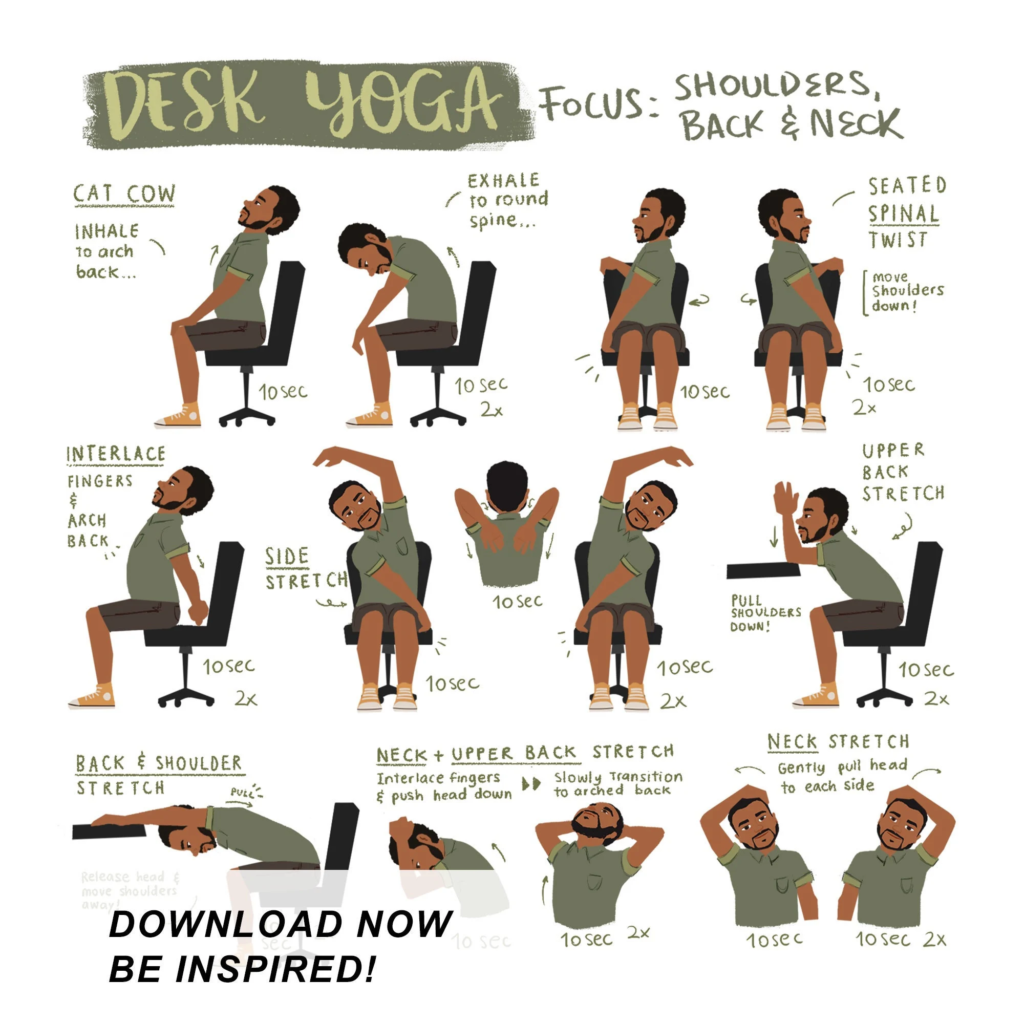
Short bouts of movement—such as a quick walk, light stretching, or bodyweight exercises—can restore attention during mentally draining work sessions. This effect is particularly noticeable for people who work on screens for extended periods.
Importantly, the benefit does not require intense workouts. Consistency matters more than intensity. Moderate activity performed regularly tends to deliver the most reliable cognitive benefits for working adults.
The Role of Sleep in Focus and Productivity
Sleep quality is one of the strongest predictors of cognitive performance, and physical fitness directly influences sleep patterns.
People who engage in regular physical activity often experience:
- Faster sleep onset
- Deeper slow-wave sleep
- Fewer nighttime awakenings
- More consistent sleep schedules
Better sleep improves memory consolidation, reaction time, and emotional regulation. These improvements carry over into daytime focus, particularly for tasks requiring sustained concentration or complex decision-making.
For many Americans, improving sleep through physical activity is more sustainable than relying on supplements or strict sleep optimization routines.
Real-World Examples of Fitness Supporting Focus
Consider a remote worker who struggles with afternoon mental fatigue. After introducing daily movement breaks and three weekly strength-training sessions, they notice fewer concentration lapses and less reliance on caffeine.
Or a college student balancing coursework and part-time employment. By maintaining a regular cardio routine, they find it easier to transition between tasks and retain information during long study sessions.
These outcomes are not about peak athletic performance. They reflect incremental improvements in mental stamina that compound over time.
Physical Fitness and Workplace Productivity
Employers increasingly recognize the link between employee fitness and performance. Workplace wellness programs that encourage movement often report improvements in:
- Task completion rates
- Reduced absenteeism
- Better mood stability
- Stronger collaboration
For individuals, the takeaway is simple: physical fitness supports not only personal health but professional effectiveness. Movement creates a physiological environment where focus becomes easier to sustain and productivity feels less forced.
What Type of Exercise Supports Mental Focus Best?
No single exercise method works for everyone. However, research and experience suggest that a balanced approach delivers the strongest cognitive benefits.
Effective fitness routines for mental focus typically include:
- Aerobic activity (walking, cycling, swimming) for circulation and energy
- Strength training for hormonal balance and confidence
- Mobility or flexibility work for nervous system regulation
The most productive routine is one that fits realistically into daily life. Consistency over months matters more than perfect programming.
Common Barriers—and How to Overcome Them
Many people avoid physical activity due to perceived time constraints or fear of burnout. Reframing fitness as a cognitive support tool rather than a performance goal can help.
Small, sustainable changes—such as walking meetings, short movement breaks, or weekend activity rituals—often deliver noticeable focus improvements without adding stress.
The goal is not to train harder. It is to move often enough to support the brain’s natural capacity for attention and productivity.
Frequently Asked Questions
How much exercise is needed to improve mental focus?
Most adults see cognitive benefits with 150 minutes of moderate activity per week, spread across several days.
Does exercise help with focus immediately or long-term?
Both. Short-term improvements can occur after a single session, while long-term routines support lasting cognitive resilience.
Is morning exercise better for productivity?
Morning activity often enhances alertness, but the best time is one that can be maintained consistently.
Can physical fitness help with attention issues?
Regular movement has been associated with improved attention regulation and reduced mental restlessness.
Does strength training improve focus like cardio does?
Yes. Strength training supports hormonal balance and stress regulation, which contribute to mental clarity.
What if I feel tired after exercising?
Temporary fatigue can occur initially, but consistent routines usually improve overall energy levels.
Can walking really make a difference?
Yes. Walking is one of the most accessible and effective ways to support cognitive health.
Is exercise helpful for creative work?
Many people report improved idea generation and problem-solving after physical activity.
How long before results are noticeable?
Some notice changes within weeks, while others experience gradual improvements over several months.
The Productivity Advantage of a Fit Body
Mental focus is not purely a matter of discipline or willpower. It reflects the body’s ability to support sustained cognitive effort. Physical fitness strengthens that foundation by improving energy regulation, stress resilience, and brain health.
When movement becomes a regular part of life, productivity often feels less forced and more natural. The work still requires effort—but the mind is better equipped to meet it.
Key Ideas to Remember
- Physical fitness supports brain function, not just physical health
- Consistent movement improves focus, energy, and stress regulation
- Productivity improves when the body and brain work together
- Sustainable routines matter more than intensity