
Summary
Physical fitness works best when it’s treated as a long-term lifestyle, not a temporary fix. This article explores how consistent movement, realistic routines, and sustainable habits support health across every stage of life—physically, mentally, and emotionally—without extreme programs or short-lived motivation.
Understanding the Shift: From Programs to Patterns
In the U.S., physical fitness is often framed around “getting in shape” for a deadline—summer, a wedding, a medical scare. While these moments can spark motivation, they rarely lead to lasting change. Research consistently shows that health outcomes improve most when movement is built into daily life rather than pursued in cycles of intensity and burnout.
Viewing fitness as a lifestyle choice reframes the question. Instead of asking, “How fast can I see results?” people begin asking, “What can I do consistently for the next 10, 20, or 30 years?” This shift reduces pressure, increases adherence, and aligns better with how the human body actually adapts.
Why Short-Term Fitness Goals Often Fail
Short-term fitness efforts aren’t inherently bad. Many people benefit from structured plans. The problem arises when intensity outpaces sustainability.
Common reasons short-term approaches break down include:
- Overly aggressive workout schedules that don’t fit work or family life
- Diet restrictions that are socially or emotionally difficult to maintain
- Lack of recovery, leading to injury or fatigue
- Viewing exercise as punishment rather than support
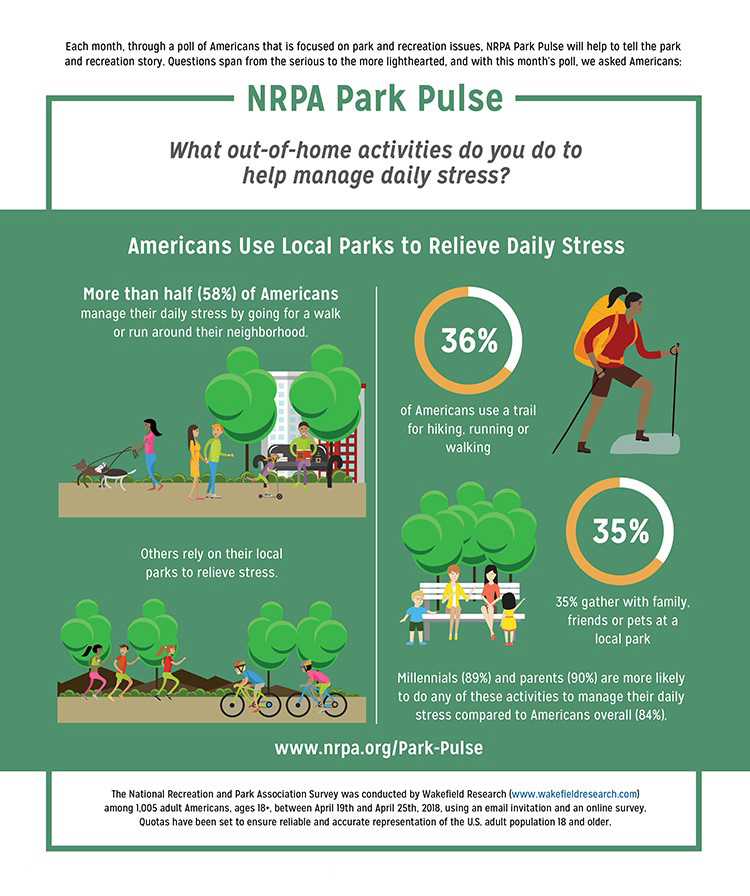
According to data from the American College of Sports Medicine, nearly 50% of adults who start an exercise program stop within six months. This isn’t a discipline issue—it’s a design issue. Programs built around extremes rarely survive contact with real life.
What a Fitness Lifestyle Actually Looks Like
A fitness lifestyle isn’t defined by constant workouts or athletic performance. It’s defined by regular movement choices that adapt as life changes.
For one person, that may mean walking 30 minutes most days. For another, it may include strength training twice a week and recreational sports on weekends. The common thread is not intensity, but continuity.
Key characteristics of a fitness lifestyle include:
- Flexibility: Workouts adjust to travel, illness, and schedule changes
- Moderation: Effort levels that support recovery and consistency
- Integration: Movement is embedded into daily routines
- Longevity: Focus on joint health, mobility, and energy, not aesthetics
This approach aligns with CDC guidelines recommending at least 150 minutes of moderate-intensity activity per week—an achievable target for most adults when spread across daily life.
The Role of Daily Movement Beyond Exercise
One of the most overlooked aspects of physical fitness is non-exercise activity. Sitting less matters almost as much as exercising more.
Daily movement can include:
- Walking meetings or phone calls
- Taking stairs instead of elevators
- Light stretching during work breaks
- Yard work, housework, or active hobbies
Studies published in JAMA show that prolonged sedentary time is associated with higher risks of cardiovascular disease, even among people who exercise regularly. A lifestyle approach addresses this by normalizing movement throughout the day.

Strength, Cardio, and Mobility—Finding Balance Over Time
Fitness trends often emphasize one element at the expense of others. Long-term health requires balance.
- Cardiovascular activity supports heart health and endurance
- Strength training preserves muscle mass, bone density, and metabolism
- Mobility and flexibility protect joints and reduce injury risk
As Americans age, priorities naturally shift. In your 20s and 30s, performance may dominate. In your 40s and beyond, injury prevention and recovery become more important. A lifestyle mindset allows fitness to evolve without abandoning it.
Mental and Emotional Benefits of Long-Term Fitness
Physical fitness is strongly linked to mental well-being. The relationship is not about achieving a certain body type—it’s about how movement supports emotional regulation and cognitive function.
Regular physical activity has been associated with:
- Reduced symptoms of anxiety and depression
- Improved sleep quality
- Better stress management
- Enhanced focus and memory
The National Institutes of Health reports that even moderate activity can trigger neurochemical changes that improve mood. When fitness is treated as a long-term support system rather than a temporary obligation, these benefits accumulate.
Nutrition’s Supporting Role—Without Extremes
Sustainable fitness lifestyles rely on supportive nutrition, not rigid rules. While short-term plans often involve restriction, long-term success depends on adequacy and flexibility.
Practical nutrition principles that support fitness lifestyles include:
- Eating enough protein to support muscle repair
- Prioritizing whole foods most of the time
- Allowing room for cultural and social meals
- Matching intake to activity levels
The U.S. Department of Agriculture’s Dietary Guidelines emphasize patterns over perfection—a philosophy that mirrors sustainable fitness practices.
Building Fitness Into Real American Schedules
One of the biggest barriers to consistency is time. Between work, commuting, and family responsibilities, many Americans assume fitness requires more hours than they have.
Lifestyle-based fitness solves this by focusing on realistic integration:
- Short strength sessions (20–30 minutes) a few times per week
- Walking as primary cardio
- Combining social time with physical activity
- Using weekends for longer, enjoyable movement
Consistency comes from designing routines that fit life—not the other way around.
Aging Well Through Movement
Physical fitness becomes more valuable, not less, with age. Muscle mass naturally declines starting in midlife, and balance becomes increasingly important for injury prevention.
Adults who maintain regular strength and balance training are shown to:
- Reduce fall risk
- Maintain independence longer
- Support metabolic health
- Improve quality of life
A lifestyle approach ensures fitness remains supportive rather than intimidating as the body changes.
Frequently Asked Questions
Is it okay to take breaks from exercise?
Yes. Rest periods are part of a healthy fitness lifestyle. Consistency over years matters more than uninterrupted streaks.
How much exercise do I really need?
For most adults, 150 minutes of moderate activity per week plus two strength sessions is sufficient for health.
Can walking really count as fitness?
Absolutely. Walking is one of the most sustainable and well-studied forms of physical activity.
Do I need a gym membership to stay fit?
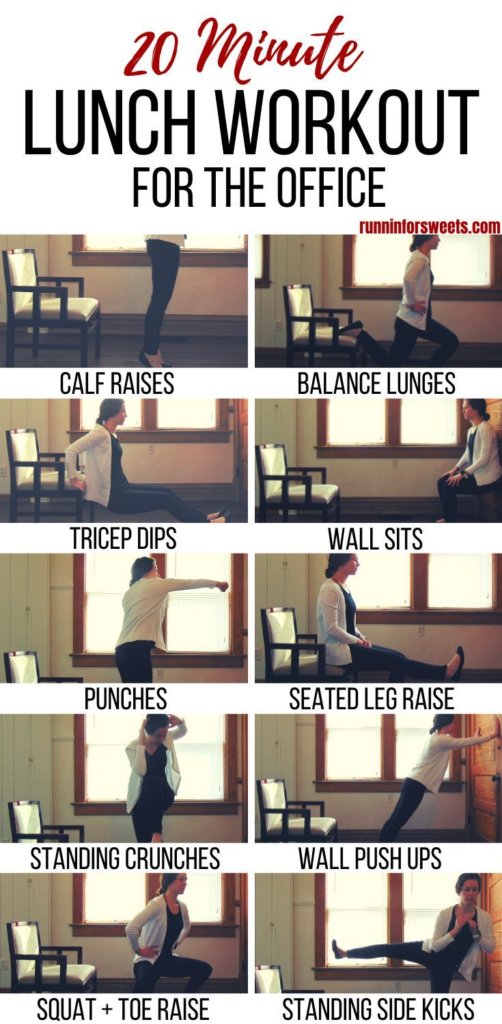
No. Bodyweight exercises, walking, resistance bands, and home workouts can be highly effective.
How do I stay motivated long term?
Motivation follows routine. Habits built around convenience and enjoyment last longer than motivation alone.
What if I have chronic pain or past injuries?
Modified movement guided by medical or fitness professionals is often safer than inactivity.
Does fitness have to include weight loss?
No. Fitness improves health markers independently of weight changes.
How does sleep affect physical fitness?
Sleep supports recovery, hormone balance, and injury prevention. Poor sleep undermines fitness progress.
Is it too late to start after 40 or 50?
No. Research consistently shows benefits from starting at any age.
Living in Motion, Not Chasing Finish Lines
Physical fitness lasts when it stops being something you do and becomes something you live with. The most effective routines are rarely dramatic. They’re built quietly, adjusted often, and sustained through ordinary days. When fitness supports your life instead of competing with it, it naturally becomes permanent.
Key Ideas Worth Carrying Forward
- Fitness works best when designed for decades, not deadlines
- Consistency matters more than intensity
- Movement belongs in daily life, not just workouts
- Sustainable routines adapt as life changes