

Summary
Physical fitness doesn’t require extreme workouts or perfect routines. This article explores how small, consistent movements—walking, stretching, light strength, and daily activity—deliver measurable health benefits for Americans with busy lives. Backed by research and real-world examples, it explains how fitness works when it fits into everyday routines.
Why the Traditional Fitness Model Is Losing Relevance
For decades, physical fitness in the U.S. has been framed around gyms, structured workouts, and intense routines. While this approach works for some, it doesn’t reflect how most Americans actually live. Long commutes, desk-based jobs, caregiving responsibilities, and unpredictable schedules make it difficult to maintain rigid exercise plans.
According to the CDC, fewer than 25% of U.S. adults meet recommended physical activity guidelines consistently. This isn’t due to a lack of motivation—it’s often a mismatch between fitness advice and real life.
The problem isn’t that people don’t want to move. It’s that movement has been packaged as an “all-or-nothing” commitment. When fitness feels like a major production, it’s often the first habit to disappear under pressure.
What “Small Movements” Really Mean
Small movements aren’t shortcuts or watered-down fitness. They are intentional, repeatable actions that integrate into daily life without requiring major schedule changes or special equipment.
This includes:
- Walking more throughout the day
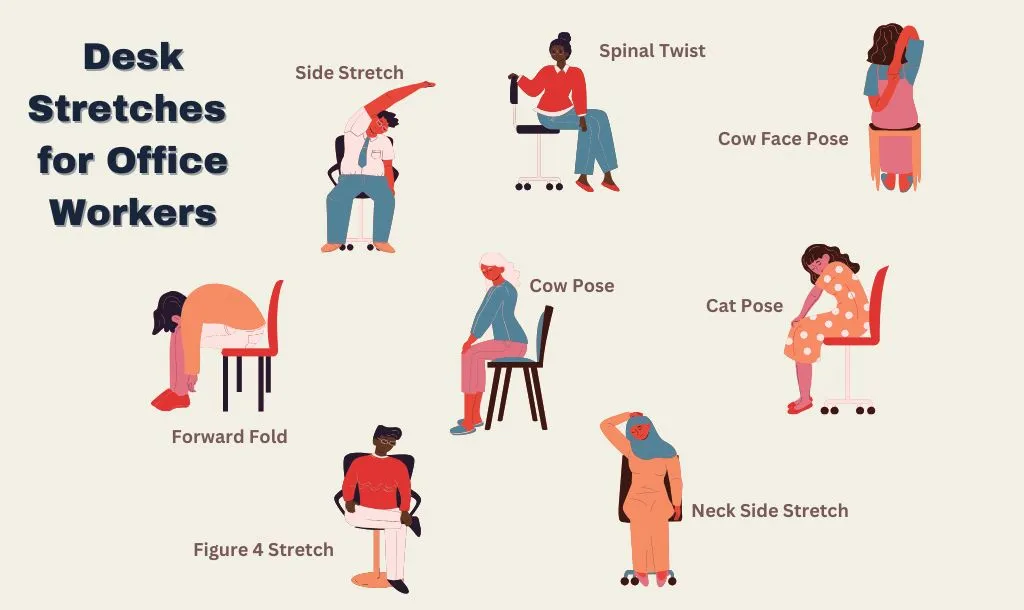
- Short bouts of strength or mobility work
- Breaking up long periods of sitting
- Choosing stairs, standing, or light movement when possible
Research published in the British Journal of Sports Medicine shows that accumulated movement—even in short bursts—contributes to cardiovascular health, metabolic function, and longevity.
The key distinction is consistency. Small movements are easier to sustain, which makes them more effective over time.
How the Body Responds to Frequent, Low-Intensity Movement
From a physiological standpoint, the human body responds well to regular activity spread throughout the day. Frequent movement supports:
- Improved blood sugar regulation
- Reduced joint stiffness
- Better circulation and oxygen delivery
- Lower stress hormone levels
A 2020 study in JAMA found that replacing just 30 minutes of sitting with light physical activity reduced mortality risk, especially among adults over 50.
The takeaway is simple: movement doesn’t need to be exhausting to be effective. It needs to be frequent.
Everyday Fitness in Real American Life
Consider a typical weekday for many adults: hours of sitting, mental fatigue, limited time, and competing priorities. In this context, small movements often look like this:
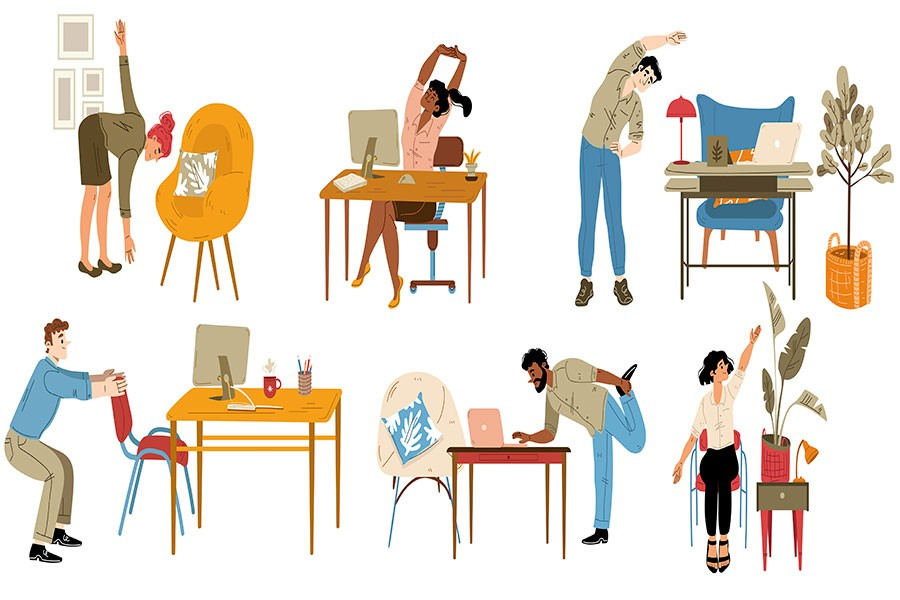
A remote worker sets a timer to stand and stretch every 45 minutes. A parent walks during their child’s sports practice instead of sitting in the car. An office employee takes phone calls while walking the hallway or outside.
These moments may feel insignificant, but over weeks and months, they accumulate into meaningful physical activity.
Fitness becomes something you do alongside life, not something that competes with it.
Walking: The Most Underrated Fitness Tool
Walking remains one of the most accessible and effective forms of physical activity in the U.S. It requires no special equipment, has a low injury risk, and supports both physical and mental health.
According to Harvard Medical School, brisk walking for 30 minutes a day can:
- Improve cardiovascular health
- Support weight management
- Reduce symptoms of anxiety and depression
- Improve sleep quality
What’s often overlooked is that walking doesn’t have to happen all at once. Three 10-minute walks offer similar benefits to one longer session.
Strength Without the Gym
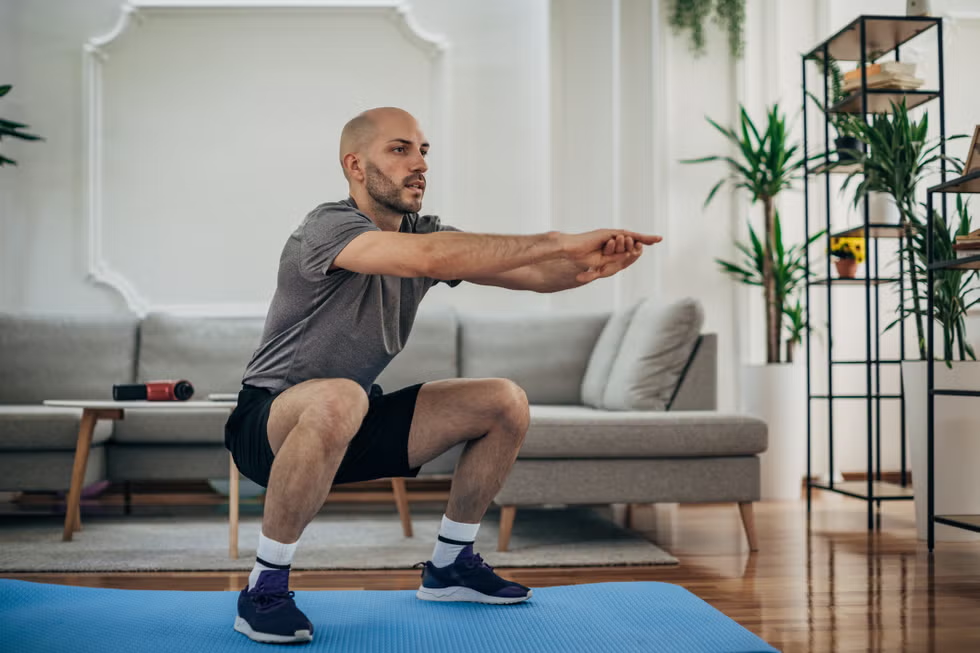
Strength training is critical for bone density, metabolic health, and injury prevention, especially as people age. But it doesn’t require heavy weights or gym memberships.
Simple movements like:
- Bodyweight squats
- Wall push-ups
- Resistance band exercises
- Carrying groceries intentionally
can build and maintain strength when done regularly.
The National Institute on Aging emphasizes that functional strength—the kind that supports daily tasks—is just as important as traditional lifting programs.
Why Small Movements Are Easier to Maintain
Behavioral science explains why smaller actions stick. Habits that require less effort and planning are more likely to become automatic.
When fitness is broken into manageable pieces:
- The mental barrier is lower
- Missed days don’t derail progress
- Guilt and burnout decrease
This approach aligns with what psychologists call behavioral momentum: success builds on success.
People who move a little every day are more likely to keep moving long term.
Technology’s Role in Everyday Fitness
Fitness trackers and smartphones have shifted how Americans engage with movement. Step counts, reminders, and activity rings emphasize accumulation rather than perfection.
While devices aren’t required, they can reinforce awareness—helping people notice how often they’re sedentary and where small changes fit naturally.
Used thoughtfully, technology supports mindfulness, not pressure.
Addressing Common Misconceptions
Many Americans hesitate to embrace small-movement fitness because of lingering myths:
- “It doesn’t count unless I sweat.”
- “Short workouts aren’t real exercise.”
- “I need at least an hour to make progress.”
Decades of exercise science now show that total activity volume matters more than intensity alone. Small movements absolutely count.
Making Small Movements Part of a Sustainable Lifestyle
Sustainable fitness isn’t about doing more—it’s about doing what fits.
Practical ways to integrate movement include:
- Scheduling walking meetings
- Parking farther from entrances
- Doing mobility work while watching TV
- Standing during phone calls
- Using household tasks as movement opportunities
The goal is not optimization—it’s participation.
Frequently Asked Questions
Is light activity really enough to improve health?
Yes. Research consistently shows that light-to-moderate activity improves metabolic health, cardiovascular markers, and longevity when done regularly.
How many steps should Americans aim for daily?
While 10,000 steps is popular, studies suggest benefits begin around 6,000–8,000 steps for adults.
Can small movements help with weight management?
They support energy balance and insulin sensitivity, especially when combined with healthy nutrition.
Is this approach suitable for older adults?
Absolutely. In fact, frequent low-impact movement is often safer and more effective for aging bodies.
Do short workouts build strength?
Yes, especially when movements are repeated consistently and focus on major muscle groups.
What if I already work out at the gym?
Small movements complement structured workouts by reducing sedentary time and improving recovery.
How quickly do results appear?
Many people notice improved energy, mobility, and mood within a few weeks.
Is this approach supported by doctors?
Yes. Public health organizations increasingly promote movement throughout the day.
Can this reduce chronic pain?
For many people, regular gentle movement reduces stiffness and improves joint health.
A More Realistic Definition of Being “Fit”
Physical fitness doesn’t have to look impressive to be effective. It doesn’t require special clothing, perfect schedules, or extreme effort. It requires participation—again and again, in small ways.
When movement becomes part of daily life instead of a separate obligation, fitness stops feeling fragile. It becomes durable, adaptable, and realistic.
That’s where real results come from.
What This Shift Makes Possible
- Sustainable fitness for busy schedules
- Reduced pressure and burnout
- Better long-term health outcomes
- Movement that adapts with age and life changes