
Summary
Not all DIY projects increase home value. This guide explains which do, why they work, and how to approach them strategically. Using credible data, real-world examples, and expert insight, it helps homeowners prioritize DIY upgrades that improve livability, reduce future costs, and deliver measurable resale value—without overspending or overbuilding.
Why “DIY Value” Is Often Misunderstood
Many homeowners assume that any improvement made with their own hands automatically increases a home’s value. In reality, value is determined less by effort and more by market perception, durability, and functionality. Buyers rarely pay extra for personal taste, and appraisers focus on condition, systems, and comparables—not craftsmanship stories.
According to data from the National Association of Realtors’ Remodeling Impact Report, projects that improve habitability, efficiency, and visual neutrality consistently outperform cosmetic-only upgrades. DIY can absolutely add value, but only when projects align with how homes are evaluated and sold in the U.S. market.
The most successful DIY projects share three characteristics:
- They solve a common problem buyers recognize
- They match neighborhood standards
- They are executed cleanly and professionally
How Home Value Is Actually Calculated
Understanding value starts with understanding how homes are priced. Appraisers and buyers typically consider:
- Structural condition (roof, foundation, major systems)
- Functional upgrades (kitchens, baths, storage, layout)
- Efficiency improvements (insulation, windows, HVAC support)
- Maintenance signals (fresh paint, repaired trim, updated fixtures)
DIY projects that add value usually improve one or more of these areas without creating future risk.
Projects that don’t add value often:
- Reflect niche aesthetics
- Reduce functionality
- Appear unfinished or non-permitted
High-ROI DIY Projects That Consistently Perform Well
1. Interior Paint (When Done Strategically)
Painting remains one of the most cost-effective DIY upgrades—but only when done with restraint. Neutral, modern colors help buyers envision the space and signal good maintenance.
Professional-quality prep matters more than color choice. Clean edges, repaired nail holes, and consistent finish often influence buyer perception more than premium paint brands.
Best practices:
- Stick to whites, light grays, or warm neutrals
- Paint high-traffic areas first
- Use consistent finishes (e.g., eggshell walls, satin trim)
2. Kitchen Refreshes Without Full Remodels
Full kitchen remodels rarely make sense as DIY projects, but targeted updates often do. Buyers care most about function and cleanliness, not custom cabinetry.
DIY-friendly, value-positive updates include:
- Replacing dated cabinet hardware
- Installing modern light fixtures
- Painting cabinets properly (with sanding and curing time)
- Updating faucets or backsplashes
These changes modernize kitchens without altering layout or requiring permits.
3. Bathroom Improvements That Signal Care
Bathrooms influence value disproportionately because they signal hygiene, plumbing health, and maintenance habits.
DIY upgrades that add value:
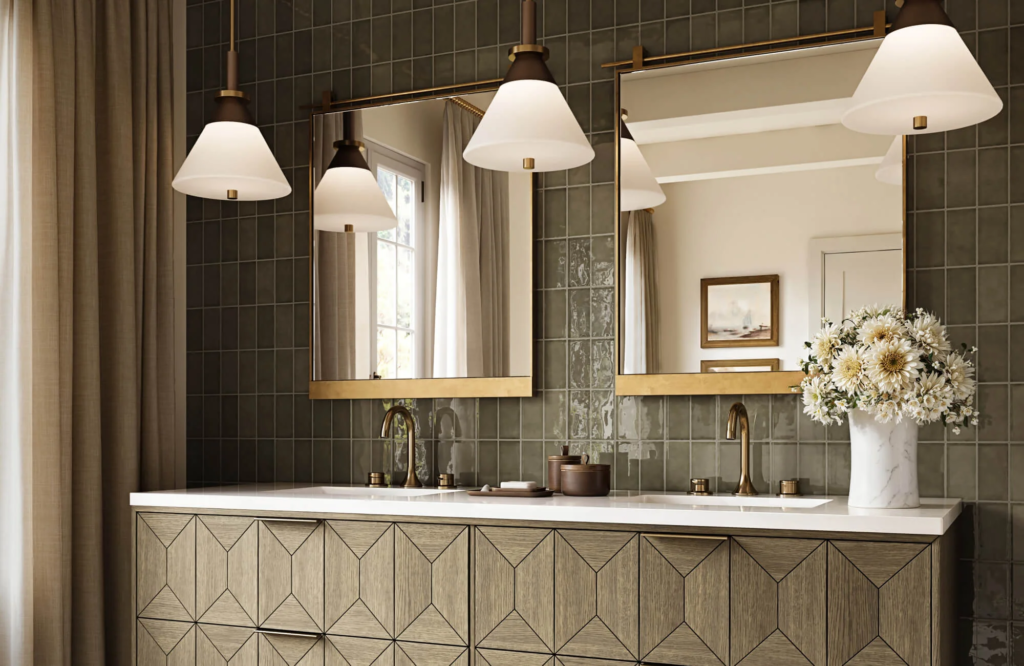
- New vanity mirrors and lighting
- Updated fixtures in brushed nickel or matte black
- Fresh caulk and grout
- Replacing worn toilet seats or towel bars
Avoid moving plumbing or tile layouts unless you have experience and permits.
Curb Appeal Projects That Buyers Notice Immediately
First impressions matter. According to real estate agents, buyers often decide how they feel about a home within the first 30 seconds.
High-Impact DIY Exterior Projects
- Painting or replacing the front door
- Refreshing landscaping with defined edges
- Replacing outdated house numbers and lighting
- Power-washing siding, walkways, and decks
These projects are affordable, weekend-friendly, and highly visible.

Energy-Efficiency DIY Projects With Measurable Value
Efficiency upgrades appeal to both buyers and appraisers because they reduce long-term costs.
DIY-friendly options include:
- Adding attic insulation
- Installing weather stripping and door sweeps
- Sealing visible air leaks
- Installing smart thermostats
According to the U.S. Department of Energy, proper air sealing and insulation can reduce heating and cooling costs by up to 20%, a benefit buyers increasingly recognize.
Projects That Often Cost More Than They Return
Some DIY projects feel productive but rarely add value:
- Highly customized built-ins
- Garage conversions without permits
- Trend-heavy tile or wallpaper
- Open shelving replacing functional storage
These upgrades may suit personal preferences but can narrow buyer appeal or reduce appraised value.
When DIY Helps—And When It Hurts—Resale Value
DIY adds value when:
- Work looks professional
- Materials match neighborhood standards
- Improvements are documented
DIY hurts value when:
- Finishes look uneven or rushed
- Safety codes are ignored
- Permits are missing
If a buyer or inspector flags work as questionable, value often drops rather than rises.
How to Decide If a DIY Project Is “Worth It”
Before starting, ask:
- Would a buyer notice this immediately?
- Does it improve function, efficiency, or condition?
- Can I complete it cleanly and correctly?
- Will it age well over 5–10 years?
If the answer to any is no, reconsider or scale back.
Frequently Asked Questions
Do DIY projects really increase home value?
Yes—when they improve condition, efficiency, or usability and are done professionally.
What DIY project adds the most value?
Interior paint, minor kitchen updates, and curb appeal improvements consistently perform well.
Are DIY renovations viewed negatively by buyers?
Only when workmanship appears poor or unpermitted.
Should I get permits for DIY work?
Yes, for electrical, plumbing, or structural changes. Missing permits can reduce value.
Is DIY better before selling or earlier?
Earlier. Enjoying the improvement while maintaining it increases long-term value.
Do smart home upgrades add value?
Modestly. Smart thermostats and lighting are viewed positively but rarely drive price alone.
How much should I spend on DIY projects?
Generally no more than 1–3% of home value annually unless addressing deferred maintenance.
Can DIY replace professional remodeling?
Not for structural or layout changes. DIY works best for surface-level improvements.
Do buyers care who did the work?
They care about results, safety, and documentation—not who held the tools.
Making Improvements That Age Well
The most valuable DIY projects don’t chase trends or personal expression. They quietly improve how a home functions, looks, and feels to the widest possible audience. When homeowners think like long-term caretakers instead of short-term renovators, DIY becomes a powerful value-building tool rather than a gamble.
What to Remember Before Picking Up the Tools
- Focus on condition, not customization
- Prioritize visible, functional improvements
- Match upgrades to neighborhood standards
- Document work and follow codes
- Stop before complexity outweighs benefit