
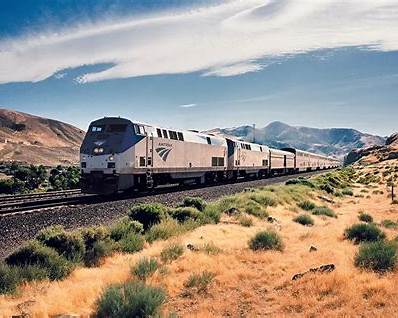
America’s most magical 52-hour train journey—often called the crown jewel of U.S. rail travel—offers nonstop scenery through the Rockies and Sierra Nevada, deep comfort, and a slow-travel romance that flyers miss. Drawing on real traveler experiences, this guide reveals insider tips, best seats, costs, food strategies, and FAQs to help you plan a memorable cross-country rail adventure.
What Is America’s “Most Magical” 52-Hour Train Journey?
When Americans search for the 52-hour train trip, they’re almost always talking about the California Zephyr, operated by Amtrak. Running between Chicago and the San Francisco Bay Area (Emeryville), this legendary route covers roughly 2,400 miles in just over two days—threading through the Great Plains, the Rocky Mountains, Utah’s red-rock canyons, and the Sierra Nevada.
Veteran rail travelers call it “the most scenic train ride in America,” and first-timers often describe it as transformational. Why? Because the journey itself—not the destination—becomes the experience.
Why Are Americans Suddenly Obsessed With Long Train Trips?
Search interest around “slow travel,” “scenic train rides,” and “cross-country train” has surged. After years of rushed itineraries, travelers are choosing depth over speed. Trains deliver exactly that.
Real-life example: A Seattle-based product manager told us she replaced a cramped red-eye with the Zephyr. “I arrived rested, inspired, and with photos I’ll frame,” she said. “I didn’t miss the airport chaos for a second.”
What’s driving the obsession?
- A desire for lower-stress travel
- The rise of work-from-anywhere schedules
- Nostalgia for analog experiences
- Increased awareness of scenic domestic options
What Makes This 52-Hour Journey So Magical?
The magic isn’t just the views—though they’re staggering. It’s the rhythm of life onboard.
Scenery You Can’t See Any Other Way
Between Denver and Salt Lake City, the train follows rivers and canyons inaccessible by road. In winter, snow blankets alpine passes; in spring, waterfalls surge; in fall, aspens glow gold.
The Observation Car Experience
Floor-to-ceiling windows invite conversation with strangers who quickly become friends. A retired couple from Iowa shared homemade cookies with a college student from California; by Nevada, they were planning future trips together.
A Moving Community
Over 52 hours, you share meals, sunsets, and stories. The pace slows, and so do you.
Is the California Zephyr Comfortable for 52 Hours?
This is one of the most common questions—and the answer depends on how you travel.
Coach seats are wider than airline economy, with generous legroom and recline. Many budget-savvy travelers find them comfortable enough, especially if they bring a neck pillow and eye mask.
Roomettes and bedrooms are a different world. Private sleeping quarters, included meals, and attendant service turn the trip into a rolling hotel. A Boston-based writer called her roomette “the best sleep I’ve ever had on transportation—period.”
How Much Does the 52-Hour Train Journey Cost?
Prices vary by season, demand, and accommodation.
Typical ranges:
- Coach: $150–$300
- Roomette: $700–$1,200
- Bedroom: $1,500–$2,500
Travelers often compare roomette pricing to airfare plus hotels—and are surprised to find rail competitive, especially when meals are included.
Insider Secrets Travelers Wish They’d Known Before Boarding
This is where experience matters most.
Seat strategy:
If traveling in coach, choose a seat on the left side heading west for canyon views in daylight.
Timing matters:
Spring and fall offer the best balance of scenery and daylight. Summer is popular but can mean fuller trains.
Pack smart:
Bring snacks, refillable water bottles, layers, and offline entertainment.
Talk to the staff:
Conductors often announce hidden scenic moments—and sometimes slow the train for photo ops.
What’s the Food Like on the Train?
Dining is a highlight, not an afterthought.
Sleeping-car passengers enjoy included meals served in the dining car. Think hot breakfasts, cooked-to-order dinners, and communal tables that spark conversation.
Coach passengers can purchase café items, though many bring supplemental snacks. A family from Arizona packed a small cooler and turned lunch into a picnic in the observation car.
Can You Work Remotely on a 52-Hour Train Trip?
Yes—with caveats.
Wi-Fi exists but isn’t consistent in remote areas. Savvy travelers download files ahead of time and treat the journey as a hybrid: light work mixed with deep rest.
One freelance designer said the train helped her finish a creative brief she’d been stuck on for weeks. “No notifications. No meetings. Just mountains.”
Is This Train Trip Safe?
Safety is a top concern—and trains consistently rank among the safest modes of transportation in the U.S.
Cars are staffed 24/7, stations are monitored, and the onboard environment feels communal and calm. Solo travelers, including women and seniors, frequently report feeling secure.
Who Is This Journey Best For?
This trip isn’t for everyone—but for the right traveler, it’s unforgettable.
It’s ideal for:
- Scenic-focused travelers
- Writers, photographers, creatives
- Retirees and slow-travel enthusiasts
- Families seeking a unique bonding experience
If you hate sitting still or crave constant stimulation, flying may suit you better. But if you value experience, this train delivers.
How Does This Compare to Flying Cross-Country?
Flying gets you there fast. The Zephyr gets you there changed.
Travelers describe arriving with:
- Less jet lag
- More memories
- A deeper sense of America’s scale and beauty
It’s not transportation—it’s transformation.
Trending FAQs Americans Are Asking About This Journey
1. How long is the California Zephyr train ride?
About 52 hours end to end.
2. Is the California Zephyr worth it?
For scenery and experience, most travelers say absolutely.
3. What’s the most scenic part of the route?
The Rockies between Denver and Glenwood Springs, and the Sierra Nevada in California.
4. Can you sleep comfortably on the train?
Yes—especially in roomettes and bedrooms.
5. Is food included?
Included for sleeping-car passengers; café service for coach.
6. Is this train good for first-time rail travelers?
Yes, it’s often recommended as a first scenic route.
7. Can kids enjoy this trip?
Yes—families report strong bonding and excitement from the views.
8. Does the train run year-round?
Yes, with seasonal scenery differences.
9. How do delays affect the trip?
Minor delays are possible; experienced travelers build buffer time.
10. Should you travel eastbound or westbound?
Westbound offers dramatic daylight canyon views; both are beautiful.
Practical Planning Checklist (Quick Reference)
- Book early for sleeping cars
- Choose shoulder seasons for value
- Pack layers and snacks
- Bring a camera or journal
- Embrace the slow pace
Why This 52-Hour Train Journey Stays With You
Travelers don’t just remember where they went—they remember who they were on this train.
A grandfather from Missouri summed it up best: “I saw my country again. Slowly. The way it deserves.”
In an age of speed, this journey feels radical—and that’s why it’s magical.