
Summary
Seasoned travelers experience destinations differently by observing patterns, timing, and local rhythms most tourists overlook. From understanding neighborhood dynamics to navigating transit, food, and cultural cues, experienced travelers focus less on checklists and more on context—leading to smoother trips, deeper connections, and fewer costly mistakes.
Why Experience Changes How You See a Place
The difference between a tourist and a seasoned traveler rarely comes down to budget or destination. It’s about perception. Experienced travelers notice subtleties—how a city wakes up, where locals linger, when crowds thin out—that don’t appear in guidebooks or social media feeds.
These insights are built through repetition. After enough trips, patterns emerge. You stop rushing. You stop trying to see everything. Instead, you learn how places actually function—and how to move through them with respect and ease.
This article breaks down the specific things seasoned travelers consistently notice, and how applying these observations can improve any trip, whether domestic or international.
They Pay Attention to How Places Move, Not Just What’s There
Most tourists plan around attractions. Experienced travelers plan around flow.
They notice when streets are busiest, when cafes quietly fill with locals, and when neighborhoods shift personalities throughout the day. This awareness shapes better decisions—when to visit, where to linger, and what to skip entirely.
For example, in many U.S. cities:
- Downtown business districts empty after 6 p.m.
- Residential neighborhoods become vibrant in early evenings
- Tourist corridors peak mid-morning and mid-afternoon
By adjusting schedules accordingly, seasoned travelers experience less congestion and more authenticity without adding effort.
They Read Neighborhoods, Not Just Maps
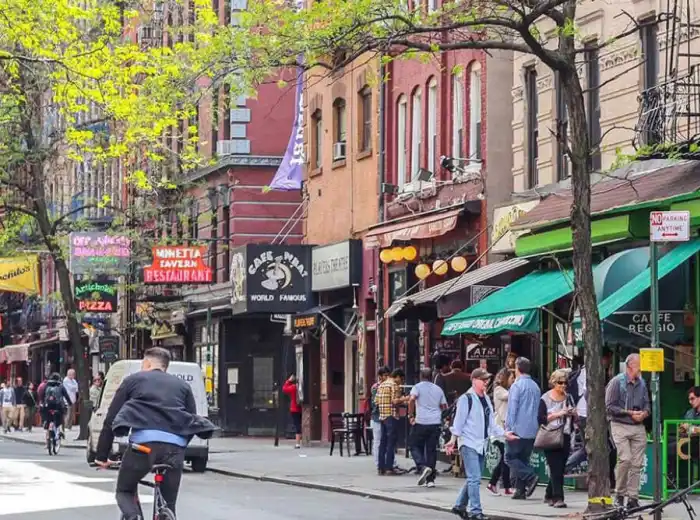
Tourists often treat cities as a list of points. Experienced travelers think in zones.
They recognize that every neighborhood has its own pace, norms, and unspoken rules. This affects everything from dress expectations to dining habits and transportation choices.
A seasoned traveler walking into a new neighborhood notices:
- Whether people are lingering or moving quickly
- How businesses are spaced and who’s inside them
- The mix of residents versus visitors
These cues help them decide where to eat, where to walk, and where to spend time without relying solely on reviews.
They Know the Best Meals Aren’t Always the Most Visible
One of the most consistent patterns seasoned travelers recognize is that the most reliable food experiences are rarely the loudest or most photographed.
Instead of chasing viral recommendations, they observe:
- Where people wait patiently without phones out
- Restaurants with limited menus and steady turnover
- Places busiest during local meal hours, not tourist schedules
According to National Restaurant Association data, Americans increasingly prioritize authenticity and simplicity when dining while traveling—favoring neighborhood establishments over destination restaurants. Seasoned travelers intuitively align with this shift.
They Understand Timing Is a Bigger Advantage Than Money
Many travelers assume better experiences require higher budgets. Experienced travelers know timing matters more.
They book flights at off-peak hours, visit landmarks early or late, and plan transit around local routines. This reduces stress, cost, and crowd exposure simultaneously.
Examples seasoned travelers apply regularly:
- Visiting national parks at sunrise rather than midday
- Flying midweek instead of weekends
- Checking into accommodations mid-afternoon instead of evening rush
These choices don’t require extra spending—just awareness.
They Watch How Locals Use Public Space
Public spaces reveal how a place truly functions. Seasoned travelers observe parks, transit hubs, libraries, and markets closely.
They notice:
- Who uses these spaces and when
- Whether people linger or pass through
- How families, workers, and older residents interact
This helps them identify safe, welcoming areas and avoid zones that feel transactional or overrun. In U.S. cities especially, public space usage is one of the clearest indicators of neighborhood health and livability.
They Respect Cultural Micro-Norms
Tourists often learn headline etiquette rules. Experienced travelers go further, paying attention to micro-norms that aren’t written anywhere.
These include:
- How loudly people speak in public
- Whether phones are used openly in certain settings
- How servers interact with guests
- Whether tipping expectations differ by context
In the U.S., even regional travel benefits from this awareness. Dining etiquette in New York differs subtly from that in the Midwest or Southwest. Seasoned travelers adjust quickly, which leads to smoother interactions and better service.
They Plan for Energy, Not Just Itineraries
Instead of packing days with activities, experienced travelers plan around energy management.
They recognize:
- Travel fatigue compounds quickly
- Overplanning reduces enjoyment
- Downtime increases adaptability
Rather than asking, “How much can we see?” they ask, “What pace lets us enjoy this?”
This approach leads to fewer cancellations, better moods, and stronger memories—especially on trips longer than three days.
They Notice the Difference Between Convenience and Quality
Seasoned travelers don’t automatically choose the closest option. They evaluate tradeoffs.
They’ll walk an extra five minutes for better coffee, wait longer for reliable transit, or choose a slightly less central hotel if it improves sleep and comfort.
This mindset prioritizes overall experience over short-term convenience, a pattern supported by travel satisfaction research from organizations like the U.S. Travel Association.
They Know When to Put the Phone Away
Perhaps the most overlooked habit: seasoned travelers disengage from constant documentation.
They still take photos—but intentionally. They observe first, capture second.
By paying attention to:
- Sounds
- Movement
- Interactions
- Atmosphere
They retain experiences more vividly and stay present. This habit often leads to better conversations, spontaneous discoveries, and fewer regrets.
Frequently Asked Questions
1. What defines a seasoned traveler?
Someone who prioritizes understanding how places function over simply seeing attractions.
2. Do seasoned travelers use guidebooks?
Yes, but as references—not scripts.
3. How can beginners travel more like experienced travelers?
Slow down, observe local behavior, and leave space in your schedule.
4. Is this approach more expensive?
No. It often reduces unnecessary spending.
5. Does this apply to U.S. travel?
Absolutely. Regional differences across the U.S. are significant.
6. How long does it take to develop this mindset?
Often within a few trips if practiced intentionally.
7. Do seasoned travelers avoid popular attractions?
No—they visit them strategically.
8. Is spontaneity important?
Yes, but informed spontaneity works best.
9. How does this improve safety?
Awareness reduces reliance on assumptions and crowds.
Seeing More by Wanting Less
Seasoned travelers don’t chase completeness. They value understanding. By paying attention to how places breathe, move, and respond, they uncover richer experiences without trying harder or spending more. The shift isn’t about traveling differently—it’s about noticing differently.
A Quieter Way to Travel Well
- Observe local rhythms before making plans
- Choose timing over intensity
- Let neighborhoods guide decisions
- Prioritize presence over documentation