

Summary
Americans are rediscovering destinations closer to home as travel priorities shift toward meaning, value, and connection. From overlooked regions to smaller cities and nature-driven escapes, travelers are choosing places that offer authenticity, flexibility, and cultural depth. This article explores where Americans are going again—and the practical reasons behind these renewed travel choices.
A Subtle Shift in Where Americans Choose to Travel
For decades, American travel trends followed predictable patterns. Major coastal cities, international capitals, and resort-heavy destinations dominated itineraries. In recent years, however, a quieter but meaningful shift has taken place. More Americans are rediscovering destinations that once sat outside the spotlight—places they may have passed through, overlooked, or dismissed as “not worth the trip.”
This change is not about novelty for novelty’s sake. It reflects evolving priorities shaped by cost considerations, remote work flexibility, crowded travel fatigue, and a growing desire for deeper experiences rather than faster ones. Travelers are asking different questions than they did even five years ago: Will this place feel authentic? Can I slow down here? Will my time actually feel restorative?
Why Familiar Places Are Feeling New Again
Several interconnected forces are driving Americans back to destinations closer to home or off the mainstream path.
One factor is economic realism. According to data from the U.S. Travel Association, domestic leisure travel continues to outpace international travel in volume, especially among middle-income households. Rising airfare costs and unpredictable international logistics have made nearby destinations more appealing—not as compromises, but as intentional choices.
Another influence is experience saturation. Many travelers report feeling that popular destinations now come with crowds, inflated pricing, and social-media-driven sameness. Returning to familiar regions allows travelers to engage on their own terms, without the pressure to “see everything” or document every moment.
Remote and hybrid work arrangements have also reshaped travel timing. With fewer rigid vacation windows, Americans are revisiting destinations in shoulder seasons, discovering how different—and often better—these places feel outside peak demand.
Small Cities and Secondary Markets Are Gaining Attention
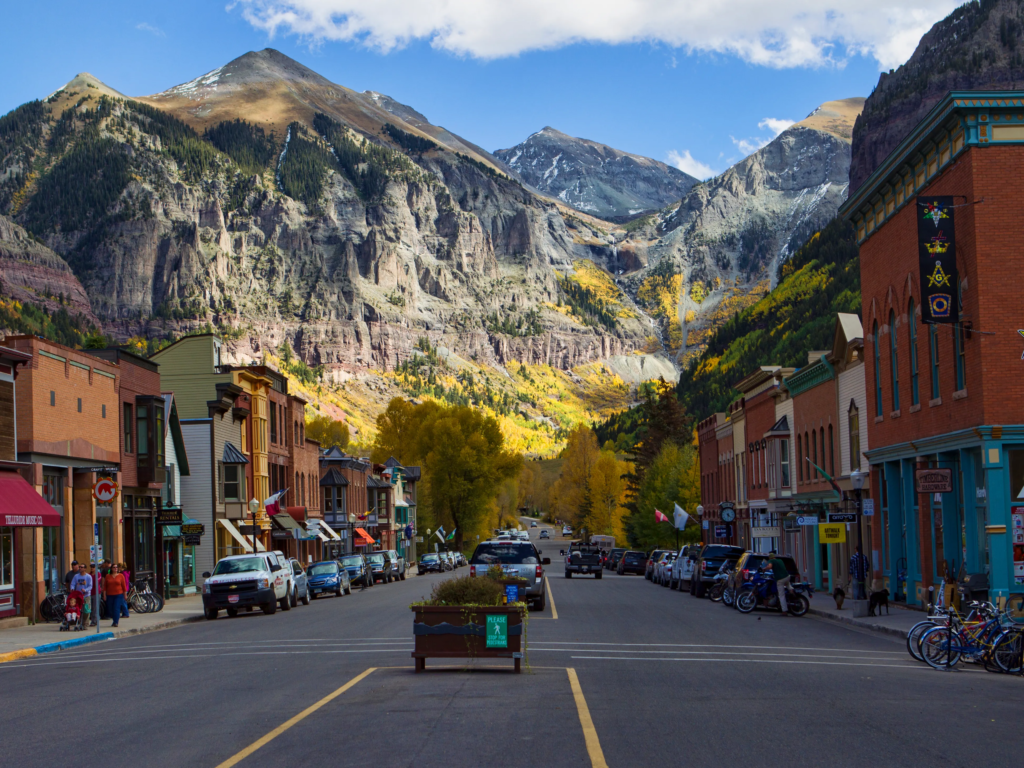
One of the most notable rediscoveries involves smaller cities and so-called secondary markets. These places often offer rich cultural identities, walkable downtowns, and strong local food scenes—without the congestion or cost of major metros.
Travelers are drawn to places where:
- Restaurants are locally owned and chef-driven
- Museums and cultural venues feel accessible rather than overwhelming
- Accommodations offer better value and personal service
In many cases, Americans are returning to cities they once visited briefly for work or family reasons and discovering them as leisure destinations. A town that once felt like a stopover now becomes a weekend base for history, arts, and regional exploration.
Nature-Forward Destinations Without the Crowds
Outdoor-focused travel has not declined—but it has become more selective. Instead of concentrating solely on iconic landmarks, Americans are rediscovering lesser-known natural areas that still deliver scenery, solitude, and recreation.
These destinations appeal because they:
- Allow flexible trip lengths, from long weekends to extended stays
- Support varied activity levels, from casual walking to challenging hikes
- Offer a sense of scale and quiet that crowded hotspots no longer provide
Importantly, travelers are becoming more conscious of sustainability and impact. Rediscovered destinations often benefit from steadier, more respectful visitation rather than seasonal overload, which in turn improves the visitor experience.

The Return to Regional Travel
Another defining trend is the revival of regional travel—exploring destinations within a few hours’ drive rather than across time zones. This approach aligns with practical realities and emotional preferences.
For families, regional trips reduce logistical stress. For solo travelers and couples, they allow spontaneous planning and shorter commitments. For older travelers, they offer comfort without sacrificing discovery.
Regional travel also supports local economies in meaningful ways. Travelers often engage more deeply when they feel a personal connection to a place, whether through regional food traditions, local history, or repeat visits over time.
Cultural and Heritage Destinations Re-Emerge
Museums, historic districts, and cultural landscapes that once felt “educational” rather than exciting are being reappraised. Many Americans are rediscovering heritage-focused destinations with fresh eyes, especially when these places connect to broader social stories.
Travelers are increasingly interested in:
- Local narratives rather than broad overviews
- Underrepresented histories and community voices
- Experiences that combine learning with place-based immersion
Rather than rushing through attractions, visitors are spending more time engaging with guided tours, local experts, and community-run institutions.
Food-Driven Travel Beyond Major Culinary Capitals
Food has long influenced travel decisions, but Americans are now rediscovering regional cuisine outside traditional culinary capitals. Smaller destinations are earning attention for distinctive food cultures rooted in history and geography.
This trend is driven by:
- Increased visibility of regional chefs and producers
- Farm-to-table dining becoming mainstream rather than niche
- Travelers valuing authenticity over trendiness
In many rediscovered destinations, dining feels less performative and more personal. Conversations with restaurant owners, visits to local markets, and seasonal menus often become trip highlights rather than supporting details.
How Social Media Changed—and Then Refined—Discovery
While social media initially fueled over-tourism in certain places, its influence has matured. Many travelers now use platforms to find nuanced, experience-based recommendations rather than headline destinations.
Instead of asking “Where should I go?” travelers ask:
- “Where do people actually enjoy staying longer?”
- “What places feel livable, not just photogenic?”
- “Where would I return to?”
This shift has helped bring attention back to destinations that reward time, curiosity, and repeat visits.
What Americans Are Gaining From Rediscovering These Places
The rediscovery trend is not just about geography—it’s about how travel fits into life. Travelers report feeling more relaxed, less rushed, and more connected when visiting destinations that invite participation rather than consumption.
Benefits often include:
- Lower overall travel costs without sacrificing quality
- Greater flexibility in planning and pacing
- A stronger sense of place and memory
These experiences tend to feel personal rather than transactional, which is increasingly important in a crowded travel landscape.
Frequently Asked Questions
Why are Americans choosing domestic destinations more often?
Domestic travel offers flexibility, cost control, and fewer logistical uncertainties, making it more appealing for many travelers.
Are rediscovered destinations less crowded year-round?
Not always, but many offer better experiences outside peak seasons and distribute visitors more evenly.
Is this trend driven by budget concerns alone?
Budget plays a role, but many travelers cite experience quality and comfort as equally important.
Are smaller destinations equipped for tourism?
Many have invested significantly in infrastructure, accommodations, and cultural offerings over the past decade.
How can travelers find lesser-known destinations responsibly?
Researching local tourism boards and community-based guides helps ensure respectful travel choices.
Is regional travel suitable for longer vacations?
Yes, especially when travelers slow down and explore multiple nearby areas.
Are these destinations good for repeat visits?
Often more so than headline destinations, as they reward familiarity and seasonal variation.
Does rediscovery mean avoiding popular places entirely?
No. It means balancing iconic destinations with places that offer depth and breathing room.
Why Rediscovery Is Becoming a Long-Term Travel Mindset
This renewed interest in overlooked and familiar destinations suggests a lasting change in how Americans define a “good trip.” Rather than chasing novelty, travelers are valuing places that feel human-scaled, adaptable, and worth returning to. Rediscovery, in this sense, is not about looking backward—it’s about traveling with intention.
Key Signals Shaping This Travel Reset
- Preference for depth over breadth
- Growing appreciation for regional identity
- Willingness to revisit places under new circumstances
- Increased alignment between travel choices and everyday values