
Summary
Celebrity relevance has shifted in a streaming-first world where audience attention is fragmented and platforms drive visibility. This article explains how fame now works, why traditional stardom has weakened, and what truly sustains public relevance today—covering data-backed trends, real-world examples, and the evolving relationship between celebrities, platforms, and audiences.
Introduction: Fame Without a Single Spotlight
For most of the 20th century, celebrity relevance followed a predictable pattern. Major studios, television networks, and print publications acted as centralized gatekeepers. If an actor landed a prime-time show or a blockbuster movie, cultural relevance followed almost automatically.
That system no longer exists.
Streaming platforms, social media, and algorithm-driven discovery have fractured attention across dozens of services and thousands of content creators. Today, celebrities compete not only with each other, but with YouTubers, podcasters, TikTok creators, and even AI-generated personalities. Relevance is no longer inherited from a single hit project—it must be actively maintained.
This article examines the new rules governing celebrity relevance in a streaming-first world and explains what actually sustains public attention in today’s media ecosystem.
How Streaming Changed the Economics of Fame
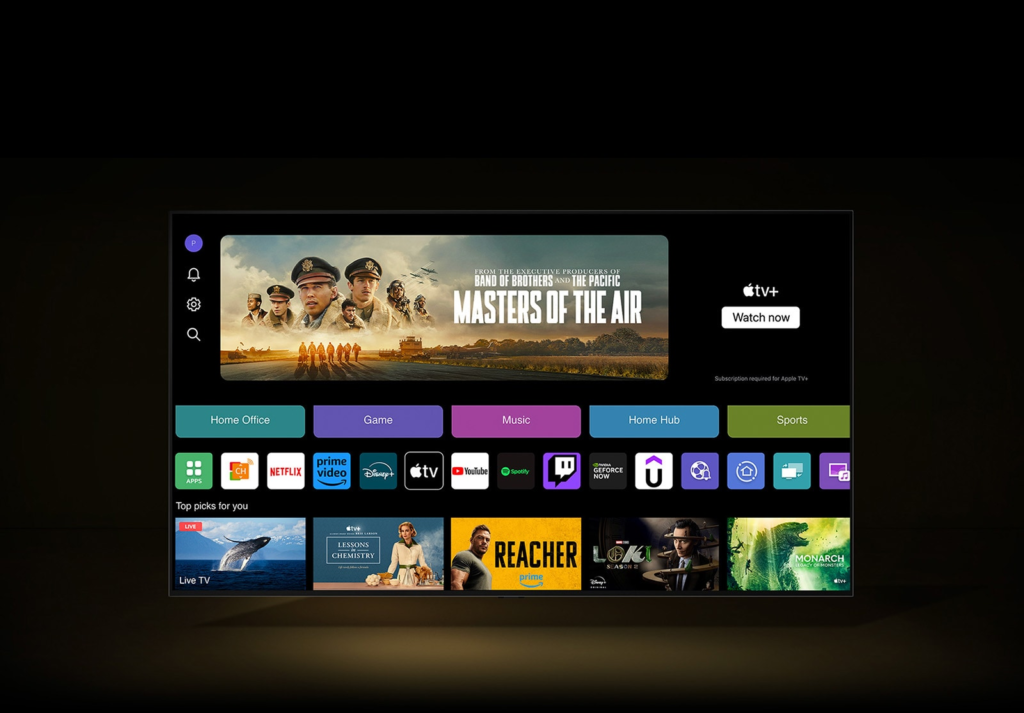
Streaming did more than change how people watch content—it altered how fame is created, measured, and sustained.
In the traditional TV era, a successful show could reach 20–30 million viewers weekly. Today, even highly successful streaming series often reach smaller, segmented audiences spread across platforms. According to Nielsen’s 2024 Gauge Report, streaming now accounts for over 38% of total U.S. TV usage, surpassing cable and broadcast combined. However, viewership is divided across dozens of services.
This fragmentation has several consequences:
• Fewer “everyone knows them” celebrities
• Shorter attention cycles around new releases
• Reduced long-term visibility from a single project
A hit show on one platform may barely register with audiences who subscribe elsewhere. Celebrity relevance now depends less on reach and more on consistency across channels.
Why Visibility Is No Longer the Same as Relevance
Streaming platforms offer exposure, but exposure alone doesn’t guarantee lasting cultural impact.
Audiences binge-watch entire seasons in days, then move on. Without weekly episodes or shared viewing rituals, many performances fade quickly from public conversation. This has led to a phenomenon industry analysts often call “compressed fame”—intense attention followed by rapid decline.
What matters more than raw visibility today is:
• Sustained audience connection
• Cross-platform presence
• Narrative continuity beyond a single role
Celebrities who rely solely on platform-driven promotion often see relevance spike briefly and then disappear. Those who remain visible build relationships with audiences beyond the screen.
The Rise of Platform-Aware Celebrities
Modern celebrity relevance requires understanding how platforms work—not just appearing on them.
Actors and musicians increasingly tailor their public presence to fit platform dynamics. Short-form video, behind-the-scenes content, and direct audience engagement have become standard tools for maintaining relevance between major releases.
This does not mean constant self-promotion. Instead, successful figures often focus on selective, authentic visibility that aligns with their brand and audience expectations.
Examples of platform-aware behavior include:
• Sharing process-oriented content rather than polished publicity
• Participating in long-form podcast conversations
• Using social media to contextualize projects rather than advertise them
Audiences now expect accessibility, but they also reward restraint. Overexposure can be as damaging as absence.
Authenticity Has Replaced Mystery—With Limits
For decades, celebrity mystique fueled public fascination. Today’s audiences value transparency, but not oversharing.
Research from Morning Consult shows that 72% of U.S. adults say they feel more favorable toward public figures who appear “genuine” online, yet the same respondents report fatigue with constant personal disclosures.
The new rule is balance.
Celebrities who maintain relevance tend to:
• Share selective personal insight tied to their work
• Avoid performative vulnerability
• Set clear boundaries around private life
Authenticity now functions as credibility. Audiences quickly disengage from content that feels manufactured or opportunistic.
Career Longevity Now Depends on Adaptability
In a streaming-first world, career arcs are less linear and more modular. Celebrities often move between mediums, genres, and roles to stay relevant.
This adaptability shows up in several ways:
• Actors shifting between prestige television, streaming films, and independent projects
• Musicians expanding into podcasts, documentaries, or branded content
• Public figures building parallel careers outside entertainment
Rather than chasing constant visibility, many successful celebrities prioritize long-term positioning—choosing projects that reinforce credibility rather than short-term exposure.
The Power Shift Toward Audiences
Streaming has democratized content discovery, giving audiences more control over what becomes popular.
Algorithms respond to engagement, not reputation. A well-known name no longer guarantees promotion or placement. Viewers decide what spreads through watch time, shares, and discussion.
As a result:
• Celebrity influence is increasingly earned, not assumed
• Audience trust matters more than industry backing
• Cultural relevance emerges from participation, not distance
Celebrities who listen to their audiences—without pandering—are better positioned to sustain relevance over time.
Data, Metrics, and the New Visibility Signals
Traditional markers of celebrity success—box office numbers, TV ratings, magazine covers—are no longer sufficient indicators of relevance.
Modern relevance is measured through a combination of signals:
• Streaming completion rates
• Social engagement quality (not just volume)
• Search trends and sustained interest over time
• Cultural presence across multiple platforms
According to Google Trends data, long-term search consistency often correlates more strongly with career durability than short-term viral spikes.
What Celebrity Relevance Means for Brands and Media
For advertisers, publishers, and platforms, the evolving nature of celebrity relevance requires a more nuanced approach.
Aligning with a recognizable name is no longer enough. Brands increasingly evaluate:
• Audience alignment and trust
• Platform-specific influence
• Long-term credibility rather than momentary buzz
Native advertising and editorial partnerships now prioritize voices that feel credible within specific cultural niches, not just widely known.

Common Questions About Celebrity Relevance Today (FAQs)
1. Do streaming platforms make it harder for celebrities to stay famous?
Yes. Fragmented audiences and shorter attention cycles reduce long-term visibility from single projects.
2. Are traditional movie stars becoming less influential?
Influence hasn’t disappeared, but it now depends on adaptability and audience engagement rather than box office alone.
3. Does social media matter more than acting roles now?
Social media supports relevance, but it cannot replace meaningful work. Both are necessary.
4. Why do some streaming stars disappear quickly?
Rapid binge cycles and limited cross-platform presence often shorten public attention spans.
5. Is authenticity really important to audiences?
Yes, but audiences value credibility and boundaries more than constant personal disclosure.
6. Can celebrities opt out of social media and still stay relevant?
Yes, but it requires strong alternative visibility, such as high-profile projects or cultural authority.
7. How do algorithms affect celebrity visibility?
Algorithms prioritize engagement, making audience response more important than reputation.
8. Are podcasts becoming more important for relevance?
Long-form audio allows deeper connection and has become a key relevance channel.
9. What industries are most affected by these changes?
Film, television, music, advertising, and publishing have all been significantly impacted.
Where Celebrity Influence Is Headed Next
Celebrity relevance is no longer about dominating attention—it’s about sustaining trust in an environment where attention is scarce. Streaming has made fame more accessible but also more fragile. Those who endure are not necessarily the loudest or most visible, but the most adaptive, credible, and intentional.
As platforms continue to evolve, relevance will increasingly favor those who understand not just how to appear—but how to remain meaningful.
Key Signals Defining Modern Celebrity Relevance
• Consistent audience trust across platforms
• Strategic visibility rather than constant exposure
• Adaptability to new formats and media
• Long-term cultural contribution over viral moments