
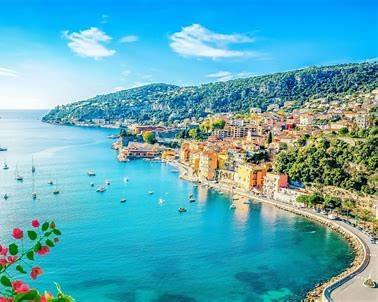
In 2026, American travelers are increasingly moving away from traditional European vacations in favor of lesser-known destinations that offer better value, fewer crowds, and deeper cultural experiences. Rising costs, overtourism, and travel fatigue are reshaping travel decisions. This long-form guide explains why Europe is losing appeal, where travelers are going instead, and the unexpected destination topping the list.
Introduction: A Global Travel Shift Americans Can Feel
For decades, Europe was the ultimate international travel aspiration for Americans. Paris symbolized romance, Rome embodied history, and Barcelona represented culture and energy. Booking a European vacation once felt like a rite of passage.
But in 2026, the conversation has changed.
More Americans are quietly skipping Europe—not because it lacks beauty, but because the experience no longer justifies the cost, crowds, or stress. Social media saturation, overtourism, and rising prices have turned many European destinations into places that feel rushed and transactional rather than inspiring.
At the same time, travelers are discovering destinations that feel like what Europe used to be: authentic, affordable, and emotionally rewarding. This article explores why Europe is being replaced, what travelers want instead, and the hidden gems reshaping global travel in 2026.
Why Are Americans Ditching Europe in 2026?
Europe Has Become Expensive Without Feeling Exclusive
One of the biggest pain points for American travelers is cost. Hotels, transportation, dining, and attraction fees across Western Europe have risen sharply in recent years. In many cities, travelers are paying premium prices for standard experiences.
A typical day in Paris, Amsterdam, or Venice can exceed $300 per person without luxury upgrades. Travelers increasingly report feeling that they are paying more while enjoying less.
Overtourism Is Actively Reducing Travel Quality
Overtourism has moved beyond inconvenience and into disruption. Americans report:
- Long lines for basic attractions
- Advance reservations required weeks or months ahead
- Restricted access due to crowd control
- Frustration from locals impacted by mass tourism
Instead of feeling relaxed or inspired, many travelers describe European trips as stressful and exhausting.
Travelers Want Meaning, Not Just Famous Landmarks
Modern American travelers are prioritizing experience quality over destination prestige. In 2026, people want to know:
- Will this trip help me disconnect?
- Will I interact with real local life?
- Will I come back refreshed, not burned out?
Europe, once the benchmark for cultural immersion, now feels overly curated in many major cities.
The Hidden Gems Replacing Europe in 2026
1. The Caucasus Region: Europe Without the Crowds
Countries in the Caucasus region, especially Georgia and Armenia, are rapidly gaining popularity among American travelers who still crave Old World charm.
These destinations offer:
- Historic old towns
- Rich food and wine traditions
- Walkable cities
- Dramatic landscapes
But unlike Western Europe, they remain affordable and largely uncrowded. Many travelers spend under $70 per day while staying in boutique hotels and dining out regularly.
Real-life example:
A couple from New York who skipped Italy said traveling through Georgia felt like “stepping into Europe before it became over-touristed.”
2. Central America Beyond Resorts and Cruises
Americans are rediscovering Central America in a more intentional way. Instead of resort zones, they are choosing culturally rich regions in Guatemala, Nicaragua, and El Salvador.
Lake towns, colonial cities, and coastal villages offer:
- Indigenous culture
- Spanish immersion
- Natural beauty without crowds
- Affordable long stays
Many travelers note that Central America feels more personal and welcoming than major European capitals.
3. Eastern Africa’s Rise as Transformational Travel
Eastern Africa is increasingly seen as a destination for meaningful, perspective-changing travel rather than luxury tourism alone.
Travelers visiting Rwanda, Uganda, and Tanzania describe experiences that go far beyond sightseeing. Wildlife encounters, community tourism, and conservation-focused travel create emotional depth that city-based European travel often lacks.
These trips are often described as “life-changing” rather than just enjoyable.
4. Southeast Asia—Away From the Hotspots
While destinations like Bali and Phuket struggle with overtourism, Americans are heading to quieter parts of Southeast Asia.
Countries such as Laos and Timor-Leste emphasize:
- Slow travel
- Spiritual and cultural connection
- Minimal crowds
- Extremely affordable living costs
Many travelers stay longer than planned because daily expenses are so low and the pace of life feels restorative.
5. South America’s Emerging Europe-Like Regions
South America is becoming a direct substitute for Europe for travelers who love scenery, food, and culture.
Regions in Chile, Argentina, and Colombia offer:
- Stunning landscapes without reservation systems
- Wine regions without crowds
- Cities that feel lived-in, not staged
Travelers often say these destinations provide the “romance and discovery” they expected from Europe but didn’t experience.
6. The Shocking Truth: Americans Are Rediscovering the U.S.
Here’s the biggest surprise: many Americans ditching Europe aren’t going abroad at all.
They’re choosing domestic hidden gems.
States like West Virginia, New Mexico, and lesser-known regions of Nevada and Utah are delivering:
- Historic charm
- Vast nature
- Lower stress
- No jet lag or currency exchange
Families, retirees, and remote workers especially appreciate the comfort and flexibility of exploring overlooked parts of the U.S.
One traveler who skipped Spain said, “I felt more relaxed road-tripping through New Mexico than I ever did navigating European cities.”

Why This Travel Shift Is Happening Now
Several factors are accelerating this trend:
- Post-pandemic travel burnout
- Remote work flexibility
- Rising global inflation
- Desire for slower, more meaningful travel
- Growing awareness of overtourism impacts
Americans are no longer chasing famous destinations—they’re chasing how travel makes them feel.
Practical Takeaways for Travelers in 2026
- Prioritize experience over reputation
- Travel slower and stay longer
- Explore secondary or emerging destinations
- Avoid peak seasons whenever possible
- Focus on emotional return, not just photos
10 Frequently Asked Questions (SEO-Optimized)
1. Is Europe still worth visiting in 2026?
Yes, but mainly secondary cities and off-season travel offer the best experience.
2. Why are Americans avoiding major European cities?
High costs, crowds, restricted access, and declining experience quality.
3. Are these hidden destinations safe for Americans?
Most are rated as safe or safer than major European cities.
4. Are flights to these destinations expensive?
Often comparable to or cheaper than flights to Europe.
5. Do Americans need visas for these countries?
Many offer visa-free or visa-on-arrival entry for U.S. passport holders.
6. Is language a major barrier?
English is widely spoken in many emerging destinations.
7. Are these places good for solo travelers?
Yes, especially destinations with strong community tourism.
8. Will these destinations become overcrowded too?
Possibly, but many are still early in the tourism cycle.
9. Is travel insurance important for these trips?
Yes, especially when traveling outside traditional tourist hubs.
10. What type of traveler benefits most from these destinations?
Travelers seeking authenticity, value, and emotional fulfillment.
Final Thoughts: Why Europe Is Being Replaced, Not Rejected
Americans aren’t abandoning Europe because it lost beauty.
They’re leaving because it lost balance.
In 2026, travel is about connection, restoration, and authenticity. Hidden gems offer what Europe once promised—without the stress.
For many travelers, that makes all the difference.