

Summary
Recovery has become the cornerstone of smarter fitness in the U.S. As Americans balance demanding schedules, stress, and long-term health goals, science and real-world experience show that rest, sleep, and proper recovery—not nonstop intensity—drive sustainable results, lower injury risk, and support longevity across all ages and fitness levels.
The Shift Americans Are Making in How They Think About Fitness
For decades, the dominant fitness message in the U.S. was simple: push harder, sweat more, and never skip a workout. High-intensity programs thrived, and soreness became a badge of honor. But as more Americans stay active well into their 30s, 40s, and beyond, that mindset is changing.
Today’s fitness conversations increasingly focus on recovery—not as an afterthought, but as a central part of training. This shift isn’t about doing less out of laziness. It’s about doing what actually works for real bodies, real schedules, and long-term health.
Gyms, physical therapists, physicians, and performance coaches are seeing the same pattern: people who respect recovery train more consistently, stay injury-free longer, and see better results over time.
Why High Intensity Alone Often Fails in the Real World
Intensity has its place. Challenging workouts stimulate muscle growth, cardiovascular improvements, and metabolic benefits. The problem arises when intensity becomes constant.
In everyday American life, many adults already operate under chronic stress—long work hours, poor sleep, family obligations, and limited downtime. Adding relentless high-intensity training on top of that stress load often leads to:
- Persistent fatigue and declining performance
- Lingering aches and overuse injuries
- Disrupted sleep and elevated stress hormones
- Burnout that causes people to quit exercising altogether
The body doesn’t distinguish between work stress and workout stress. When total stress exceeds recovery capacity, progress stalls.
This helps explain why many motivated people plateau or feel worse despite exercising “correctly.” The missing variable isn’t effort—it’s recovery.

What Recovery Actually Means (and What It Doesn’t)
Recovery is often misunderstood as doing nothing. In reality, it’s an active, intentional process that supports adaptation.
True recovery includes:
- Sleep quality and consistency, not just hours logged
- Rest days and low-intensity movement, such as walking or mobility work
- Nutrition that supports repair, including adequate protein and calories
- Stress management, including mental and emotional recovery
Recovery does not mean abandoning discipline or lowering standards. It means structuring training so the body can respond positively to effort.
A growing body of exercise science shows that adaptation—getting stronger, faster, or more resilient—happens during recovery, not during the workout itself.
The Science Behind Recovery-Focused Training
Research consistently shows that insufficient recovery increases injury risk and limits gains. Studies published in sports medicine and physiology journals highlight that overtraining can elevate cortisol, suppress immune function, and impair muscle repair.
The Centers for Disease Control and Prevention (CDC) and the American College of Sports Medicine emphasize balanced training that includes rest days and variation in intensity. Similarly, sleep research from institutions like the National Institutes of Health links inadequate sleep to slower reaction time, decreased muscle recovery, and reduced aerobic capacity.
From a longevity perspective, moderate, consistent exercise paired with adequate recovery has stronger associations with reduced mortality risk than sporadic extreme training bouts.
In short, recovery isn’t a wellness trend—it’s evidence-based fitness.
How Recovery-Centered Fitness Looks in Everyday American Life
Smarter fitness isn’t limited to elite athletes. It’s showing up in practical, relatable ways across the U.S.
Consider a few common examples:
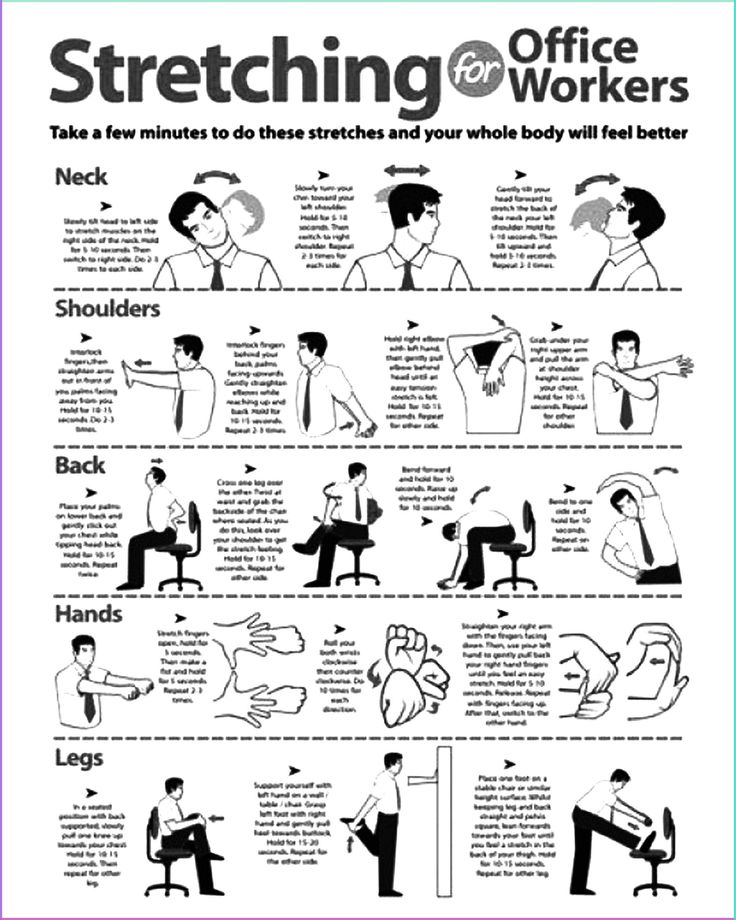
A 42-year-old office worker shifts from five intense bootcamp classes per week to three strength sessions, two walking days, and one full rest day. Within months, joint pain fades, energy improves, and workouts feel productive again.
A recreational runner replaces weekly all-out efforts with structured easy runs and mobility work. Race times improve, even though training feels less punishing.
A busy parent prioritizes sleep and stops squeezing workouts into late nights. Training frequency stays the same, but consistency improves dramatically.
These outcomes are increasingly common because recovery supports sustainability—the most underrated factor in fitness success.
Why Recovery Matters More as We Age
As Americans age, recovery capacity naturally changes. Muscle protein synthesis slows, connective tissues take longer to adapt, and sleep becomes more fragmented for many adults.
This doesn’t mean fitness becomes less important. It means recovery becomes more important.
Adults over 30, 40, and 50 often benefit from:
- Fewer high-intensity sessions per week
- Longer warm-ups and cooldowns
- More emphasis on mobility, balance, and joint health
- Strategic deload weeks to reduce cumulative fatigue
Ignoring these needs doesn’t build toughness—it accelerates setbacks. Respecting recovery allows people to train well for decades, not just seasons.
The Role of Technology in Smarter Recovery
Wearable fitness devices have helped normalize recovery awareness in the U.S. Tools that track heart rate variability, resting heart rate, sleep stages, and training load give everyday exercisers insights once reserved for elite athletes.
While no metric is perfect, trends matter. Consistently poor sleep or elevated resting heart rate often signal the need for reduced intensity.
Technology doesn’t replace self-awareness, but it reinforces a powerful message: pushing through fatigue isn’t always productive.
Recovery Is Also Mental, Not Just Physical
Mental fatigue can undermine fitness just as quickly as physical strain. Chronic stress affects motivation, coordination, and hormonal balance.
Recovery-centered fitness acknowledges this reality. Practices such as breathing exercises, outdoor walks, and occasional unstructured movement help restore mental energy.
Many Americans find that when workouts stop feeling like punishment, adherence improves. Enjoyment may not be measurable, but it’s a major driver of long-term success.
Common Recovery Mistakes Americans Still Make
Even recovery-aware individuals can fall into traps:
- Treating rest days as “lazy” instead of strategic
- Undereating while training hard
- Sleeping too little during busy weeks
- Adding recovery tools without reducing workload
Recovery works best when paired with honest training adjustments. Ice baths and massage guns can’t compensate for chronic overload.
How to Build a Recovery-Smart Fitness Routine
A recovery-focused approach doesn’t require complicated planning. It requires realistic structure.
Helpful guidelines include:
- Alternate hard and easy training days
- Schedule at least one full rest day weekly
- Aim for consistent sleep routines
- Fuel workouts appropriately
- Adjust training during high-stress life periods
Fitness should support life, not compete with it.

Frequently Asked Questions
Is recovery really more important than intensity?
Recovery determines how well your body adapts to intensity. Without it, intensity loses effectiveness.
How many rest days do most adults need?
Most Americans benefit from one to two rest or low-intensity days per week, depending on training load.
Can I still do high-intensity workouts?
Yes. The goal is balance, not elimination of challenging sessions.
Does recovery mean less progress?
No. Many people see better progress when recovery improves consistency and reduces setbacks.
How does sleep affect fitness results?
Sleep supports muscle repair, hormone regulation, and cognitive performance, all critical to training.
Are recovery tools like foam rollers necessary?
They can help, but basics like sleep, nutrition, and rest matter more.
How do I know if I’m under-recovering?
Persistent soreness, declining performance, poor sleep, and low motivation are common signs.
Does age change recovery needs?
Yes. Recovery generally requires more attention as we age, though individual variation is significant.
Is walking considered recovery?
Yes. Low-intensity movement can actively support recovery without adding stress.
A Smarter Standard for Long-Term Fitness
Recovery-focused fitness reflects a broader shift in how Americans define success. It values consistency over extremes, health over exhaustion, and longevity over short-term results.
This approach doesn’t lower expectations—it raises them. It asks fitness to work in real life, across changing schedules, stress levels, and stages of aging.
When recovery leads, fitness becomes something people can sustain—not just survive.
What This New Fitness Mindset Prioritizes
- Long-term consistency over short bursts of effort
- Health, mobility, and energy as primary outcomes
- Training plans that adapt to real-world stress
- Recovery as a performance tool, not a weakness