
Hollywood careers no longer follow a single linear path from breakout role to studio stardom. Today’s leading actors and actresses navigate streaming platforms, franchise contracts, production deals, global branding, and digital visibility. Success increasingly depends on adaptability, ownership, strategic role selection, and audience engagement—reshaping how performers build longevity, financial stability, and creative influence in a rapidly changing entertainment industry.
From Studio Contracts to Self-Directed Careers
For much of the 20th century, actors were often bound to studio systems that controlled casting, publicity, and long-term image. The traditional arc was clear: secure a breakout role, build box-office credibility, win critical recognition, and gradually transition into prestige projects.
That structure has largely dissolved. The decline of exclusive studio contracts and the rise of diversified media platforms have created greater autonomy—and greater complexity.
According to the Motion Picture Association, the U.S. theatrical and home/mobile entertainment market generated over $100 billion globally in recent years, with streaming accounting for a growing share. This shift has fundamentally changed where and how actors build careers.
Today’s performers must think beyond individual roles. They evaluate:
- Long-term franchise commitments
- Streaming platform visibility
- Ownership stakes and backend profit participation
- International market appeal
- Cross-industry opportunities
The result is a more entrepreneurial approach to acting careers.
How Streaming Changed the Career Ladder
A common question among audiences is: Has streaming helped or hurt actors’ careers?
The answer depends on perspective. Platforms like Netflix, Amazon Prime Video, and Hulu have expanded the volume of content dramatically. This has created more leading roles in limited series and prestige television.
Actors once hesitant to leave film for television now move fluidly between formats. Nicole Kidman, for example, transitioned seamlessly into high-profile streaming projects while maintaining film credibility. Similarly, Matthew McConaughey experienced career reinvention through serialized storytelling before returning to film.
Streaming has reduced stigma around television work and expanded creative options. It has also intensified competition. Visibility can spike quickly—but sustaining momentum requires careful role selection.
Why Franchise Roles Matter More Than Ever
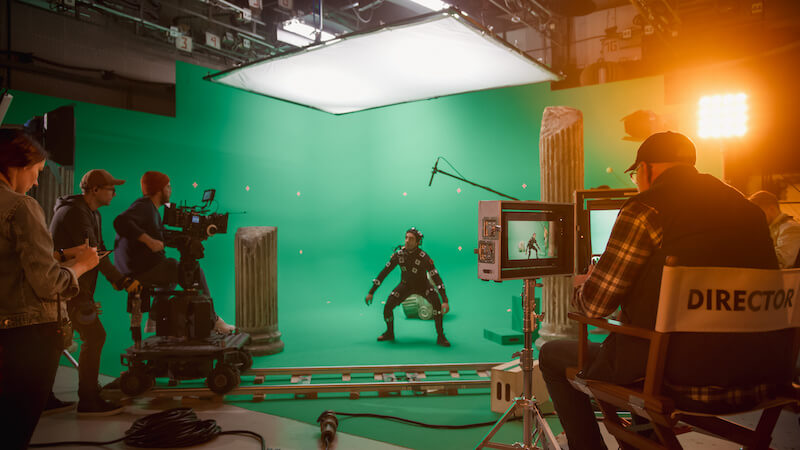
Franchise films offer stability in an unpredictable industry. Multi-picture agreements provide financial security and consistent global exposure.
Consider Robert Downey Jr.’s association with the Iron Man franchise. Long-term character continuity created a decade of box-office reliability and strengthened brand recognition worldwide.
However, franchise work carries trade-offs:
- Scheduling limitations
- Typecasting risks
- Reduced availability for independent projects
Actors increasingly negotiate contracts that allow flexibility for smaller films or passion projects between major installments.
Franchises can anchor a career—but they rarely define it entirely.
The Rise of Actor-Producers and Ownership Models
Another defining evolution involves ownership. Many leading performers now establish production companies to gain creative and financial control.
Reese Witherspoon co-founded a production company focused on female-led storytelling, reshaping both her career trajectory and industry influence. By moving behind the camera, she diversified income streams and expanded authority over casting and content direction.
Ownership models often provide:
- Executive producer credits
- Profit participation
- Intellectual property development
- Long-term catalog value
This entrepreneurial shift reflects a broader industry reality: stability increasingly comes from equity, not just salary.
How Awards and Prestige Still Shape Careers
Despite digital disruption, traditional recognition remains influential. Academy Awards and Emmy nominations continue to impact salary negotiation and casting leverage.
Academy Awards recognition can elevate actors into higher compensation brackets and more selective roles. According to industry salary data reported by trade publications, leading performers in major studio films can command $10–20 million upfront, with backend participation increasing total earnings significantly.
Prestige roles serve both artistic and strategic functions. They balance commercial projects and signal credibility.
The Impact of Social Media on Actor Visibility
Actors now operate in a highly visible digital environment. Platforms such as Instagram and TikTok influence casting perception and audience engagement.
A strong online presence can:
- Boost opening weekend awareness
- Support marketing campaigns
- Demonstrate audience loyalty
- Attract brand partnerships
However, visibility also increases scrutiny. Public missteps can affect casting decisions. Many actors rely on professional teams to manage digital communication strategically.
Digital presence supplements talent—it does not replace it.
Career Longevity: What Separates Sustained Success From Short-Term Fame?
Another frequently searched question: Why do some actors remain relevant for decades while others fade quickly?
Patterns suggest several factors:
- Willingness to evolve genres
- Strategic pacing between projects
- Selective exposure
- Reinvention during career plateaus
- Cross-medium adaptability
Meryl Streep demonstrates genre fluidity across drama, comedy, and musical roles over decades. Longevity often correlates with versatility and disciplined project selection.
In contrast, rapid overexposure without diversification can shorten career cycles.
Globalization and International Appeal
Hollywood is no longer purely domestic. International box office revenue frequently exceeds U.S. totals for major films.
Actors increasingly consider global resonance when selecting roles. Participation in internationally marketed franchises or culturally diverse projects broadens career resilience.
Streaming platforms distribute content simultaneously across continents, accelerating global recognition.
This shift requires performers to consider cross-cultural appeal and brand neutrality in public positioning.
How Actors Navigate Career Gaps and Reinvention
Career pauses are common. Reinvention strategies include:
- Transitioning to television or limited series
- Taking roles in independent films for critical reset
- Exploring directing or producing
- Engaging in theater for craft recalibration
Ben Affleck revitalized his career through directing, demonstrating that behind-the-camera roles can reshape public perception.
Reinvention is often gradual rather than dramatic. Strategic patience matters.
Frequently Asked Questions
1. Do actors earn more from streaming or theatrical films?
Compensation structures differ. Theatrical films often include backend box-office participation, while streaming deals may provide higher upfront guarantees.
2. Is television still considered less prestigious than film?
Not in most cases. Prestige streaming series often carry equal or greater visibility.
3. Why do actors start production companies?
To gain creative control, ownership stakes, and diversified income.
4. How important are awards to long-term success?
They significantly enhance leverage and perceived credibility.
5. Do social media followers affect casting decisions?
Increasingly, yes—particularly for commercial projects.
6. Can actors recover from career setbacks?
Yes, through reinvention, strategic role selection, and skill diversification.
7. Are franchise roles limiting?
They can be, but flexible contracts mitigate typecasting.
8. How has globalization affected Hollywood careers?
International markets now influence casting and project viability.
9. Do actors negotiate profit participation?
Top-tier performers often negotiate backend percentages.
10. What is the biggest career risk today?
Overexposure without strategic planning.
Redefining Success in a Platform-Driven Era
The modern Hollywood career is less predictable but more flexible. Actors must think beyond auditions and scripts. They evaluate intellectual property ownership, streaming partnerships, global branding, and long-term sustainability.
Adaptability has become as important as talent. The most resilient careers reflect calculated decisions rather than reactive choices.
Hollywood still rewards performance—but increasingly, it rewards strategy.
Signals Shaping the Next Decade
- Streaming will continue expanding lead opportunities
- Franchise stability will coexist with independent experimentation
- Ownership and production roles will grow
- Digital presence will influence marketing value
- International markets will drive casting decisions
- Reinvention will remain central to longevity
- Awards recognition will retain strategic importance
- Cross-platform adaptability will define career resilience