
Summary
Energy efficiency is no longer just about lowering utility bills—it’s becoming a defining part of how Americans live at home. From comfort and health to resilience and long-term value, homeowners are paying closer attention to how energy-smart choices fit into daily routines, housing decisions, and evolving expectations of modern living.
A Lifestyle Shift, Not Just a Home Upgrade
For decades, energy efficiency was framed primarily as a cost-saving measure. Insulation upgrades, efficient appliances, or better windows were often treated as one-off projects tied to rebates or rising utility prices. Today, the conversation has shifted. Many U.S. homeowners are viewing energy efficiency as a lifestyle decision—one that influences comfort, convenience, home design, and even long-term financial planning.
This change is driven by a mix of rising energy costs, increased climate awareness, more time spent at home, and wider access to smart home technologies. According to the U.S. Energy Information Administration, residential energy use accounts for roughly 20% of total U.S. energy consumption. That scale alone has made everyday household choices feel more consequential.
Instead of asking, “What’s the cheapest fix?” homeowners are increasingly asking, “How do I want my home to function every day?”
Why Energy Efficiency Now Feels Personal
Energy efficiency has become more personal because it directly affects lived experience. Comfort, noise levels, indoor air quality, and reliability matter as much as monthly bills.
Homes with poor insulation or outdated HVAC systems often feel drafty in winter, unevenly cooled in summer, and noisy year-round. By contrast, energy-efficient homes tend to maintain steadier temperatures, reduce outdoor noise, and create a more consistent indoor environment. These benefits are immediately noticeable, which helps explain why efficiency is no longer viewed as an abstract or technical concern.
Homeowners who work remotely have been especially sensitive to these differences. Spending eight or more hours a day at home makes inefficiencies harder to ignore and comfort improvements more valuable.
What Homeowners Are Actually Paying Attention To
While energy efficiency can sound broad, most homeowners focus on a relatively small set of practical areas that affect daily life.
Building envelope improvements—such as insulation, air sealing, and high-performance windows—have gained renewed attention. These upgrades don’t require daily interaction, yet they quietly improve comfort and reduce heating and cooling demands year after year.
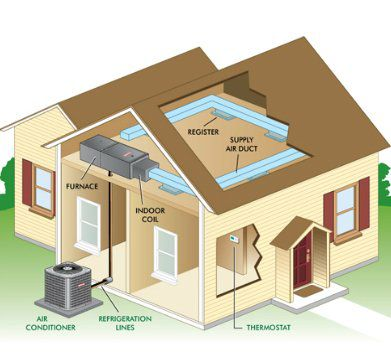
Heating and cooling systems remain central. High-efficiency heat pumps, variable-speed furnaces, and smart thermostats allow homeowners to fine-tune comfort while using less energy. Many households are replacing aging systems earlier than planned to avoid rising maintenance costs and unpredictable performance.
Appliances and lighting are another focus area. ENERGY STAR–certified refrigerators, dishwashers, and washing machines now offer measurable efficiency gains without sacrificing performance. LED lighting has become a default choice in most U.S. homes, driven by longer lifespans and lower heat output.
Water efficiency often overlaps with energy efficiency. Low-flow fixtures, heat pump water heaters, and improved hot water distribution systems reduce both water and energy use, especially in larger households.
The Role of Smart Technology in Everyday Efficiency
Smart home technology has helped energy efficiency feel more accessible and actionable. Instead of relying on estimates or annual bills, homeowners can now see how their homes perform in near real time.
Smart thermostats learn household routines and adjust heating and cooling automatically. Energy monitoring systems reveal which appliances consume the most electricity, helping families make informed decisions without guesswork.
Importantly, these tools support convenience rather than demanding constant attention. When designed well, smart systems fade into the background while quietly optimizing energy use. This aligns with how most homeowners want efficiency to function—as an integrated part of daily life, not a full-time project.
Energy Efficiency and Home Value: A Growing Connection
Energy-efficient features are increasingly influencing home values and buyer preferences. Real estate data from organizations like the National Association of Realtors suggests that buyers are more likely to favor homes with documented efficiency upgrades, particularly in regions with high energy costs or extreme temperatures.
For sellers, efficiency improvements can differentiate a home in competitive markets. For buyers, lower operating costs and predictable comfort make long-term budgeting easier.
Importantly, not all upgrades carry equal weight. Whole-home improvements—such as insulation, HVAC systems, and windows—tend to have more impact on perceived value than isolated appliance upgrades. Documentation also matters; energy audits and upgrade records help translate technical improvements into understandable benefits.
Financial Incentives and Policy Awareness
Federal, state, and utility incentives continue to shape homeowner decisions, but they are no longer the sole motivator. Tax credits introduced under recent federal legislation have expanded access to rebates for heat pumps, insulation, and electrical upgrades. Many states and utilities offer additional incentives tied to energy audits or peak demand reduction.
Homeowners paying attention today are less focused on chasing rebates and more interested in aligning incentives with planned upgrades. Instead of installing equipment solely because it qualifies for a credit, they are asking whether it fits their household needs, climate, and long-term goals.
This more strategic approach tends to result in better outcomes and fewer regrets.
Health, Comfort, and Indoor Air Quality
One of the most overlooked aspects of energy efficiency is its relationship to health. Better air sealing and ventilation reduce drafts, limit outdoor pollutants, and help manage humidity. When paired with proper filtration, these improvements can support respiratory health and reduce allergens.
Efficient homes are also quieter. Improved insulation and high-performance windows dampen outside noise, which many homeowners cite as a quality-of-life upgrade rather than an energy feature.
As awareness grows, energy efficiency is increasingly framed as part of a healthy home environment, not just an efficient one.
Common Questions Homeowners Are Asking
Many homeowners begin their efficiency journey with practical, experience-based questions rather than technical ones. Among the most common:
- Why does my home feel uncomfortable even when the thermostat is set correctly?
- Which upgrades will I notice immediately versus over time?
- Is it better to replace equipment or improve insulation first?
- How do I know if my home is wasting energy?
- Are energy-efficient homes harder or easier to maintain?
- How do efficiency upgrades affect resale value?
- Do smart devices really save energy, or just add complexity?
- How much efficiency improvement is “enough” for my climate?
These questions reflect a desire for clarity, not perfection. Most homeowners are looking for incremental improvements that fit real budgets and lifestyles.
Practical Examples from Real Homes
A Midwest family living in a 1990s-built home noticed uneven temperatures and rising winter heating costs. Instead of replacing their furnace immediately, they started with a professional energy audit. Air sealing and attic insulation reduced drafts and improved comfort enough that they were able to delay HVAC replacement for several years.
In the Southwest, a homeowner dealing with extreme summer heat invested in a heat pump and solar-ready electrical panel upgrade. While solar was a future plan, the immediate benefit came from quieter operation and more consistent cooling during peak heat waves.
These examples highlight a common pattern: homeowners benefit most when efficiency decisions are made as part of a broader lifestyle strategy rather than isolated fixes.
Making Energy Efficiency Sustainable Over Time
Sustainable energy efficiency is less about doing everything at once and more about making informed, phased decisions. Homeowners who succeed tend to:
- Start with an energy audit to identify major inefficiencies
- Prioritize upgrades that improve comfort and reliability
- Align improvements with maintenance cycles and renovations
- Keep records to track performance and value
By treating efficiency as an evolving part of homeownership, rather than a checklist, homeowners are better positioned to adapt as technologies and needs change.
Living Well in a More Efficient Home
Energy efficiency as a lifestyle choice reflects a broader shift in how Americans think about their homes. Comfort, resilience, health, and long-term value are now part of the same conversation as energy use. Homeowners paying attention today are not chasing perfection—they are shaping homes that work better for the way they actually live.
Key Reflections Homeowners Are Taking Forward
- Energy efficiency is increasingly tied to comfort and daily experience
- Whole-home improvements deliver more lasting value than isolated fixes
- Smart technology supports efficiency best when it simplifies life
- Health and indoor air quality are becoming central considerations
- Incremental, well-planned upgrades often outperform rushed overhauls