
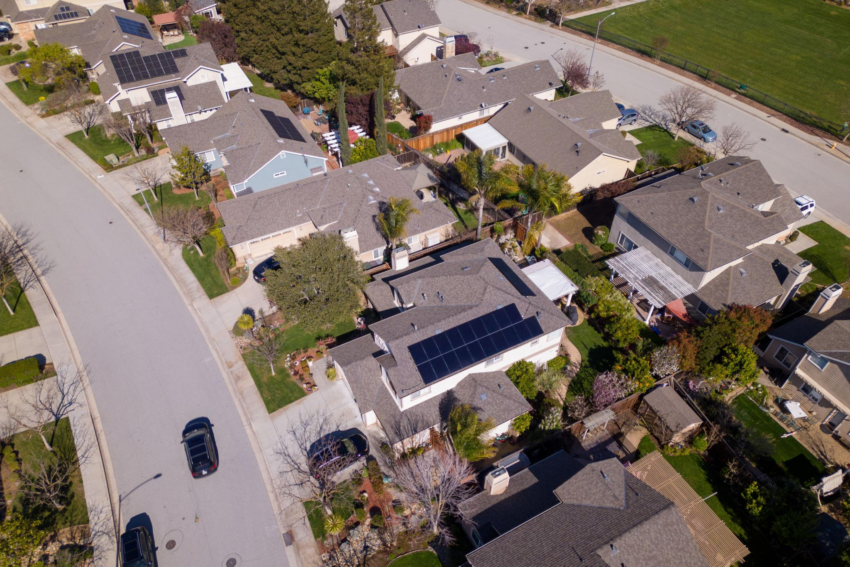
Smarter energy use in the U.S. isn’t about radical lifestyle changes—it’s about practical decisions that improve comfort, reduce waste, and control costs. From how homes are built and appliances are chosen to daily habits and utility planning, energy efficiency has quietly become part of modern American life, often without people realizing it.
Understanding “Smarter Energy Use” Beyond the Buzzwords
For many Americans, the phrase smarter energy use sounds abstract—something tied to policy debates or futuristic technology. In reality, it shows up in ordinary places: the thermostat that adjusts itself overnight, the washer that uses less water without sacrificing performance, or the home office that stays comfortable without spiking the electric bill.
At its core, smarter energy use means getting the same—or better—results while using less energy. It prioritizes efficiency, consistency, and informed choices rather than sacrifice. Importantly, it aligns with how people actually live, work, and budget.
Smarter energy use is not a trend limited to eco-conscious households. It increasingly reflects mainstream American priorities: predictability, comfort, and long-term value.
Why Energy Efficiency Has Become a Lifestyle Issue
Energy efficiency used to be framed almost entirely as a cost-saving or environmental issue. Today, it intersects directly with lifestyle expectations.
Several forces have pushed it into daily life:
- Rising utility costs in many regions
- Increased time spent at home, especially since 2020
- Greater awareness of home performance and comfort
- Broader access to efficient technologies
According to the U.S. Department of Energy, residential energy use accounts for roughly 20% of total U.S. energy consumption, making household-level decisions more impactful than many people realize.
For homeowners and renters alike, energy efficiency is now about how a home feels and functions, not just what it costs to operate.
Smarter Energy Use Starts With How Homes Are Designed and Updated
The most effective energy improvements often aren’t flashy. They’re structural, gradual, and practical.
In newer homes, energy-efficient design is often built in: better insulation, high-performance windows, and tighter building envelopes. Older homes, however, can still achieve significant gains through targeted upgrades.
Common real-world improvements include:
- Sealing air leaks around doors, windows, and attics
- Upgrading insulation in older walls or crawlspaces
- Replacing single-pane windows in high-loss areas
- Installing programmable or smart thermostats
Homeowners often report that these changes improve temperature consistency, reduce drafts, and make rooms more usable year-round—not just cheaper to heat or cool.
The Environmental Protection Agency estimates that proper air sealing and insulation can reduce heating and cooling costs by up to 15% in many homes.
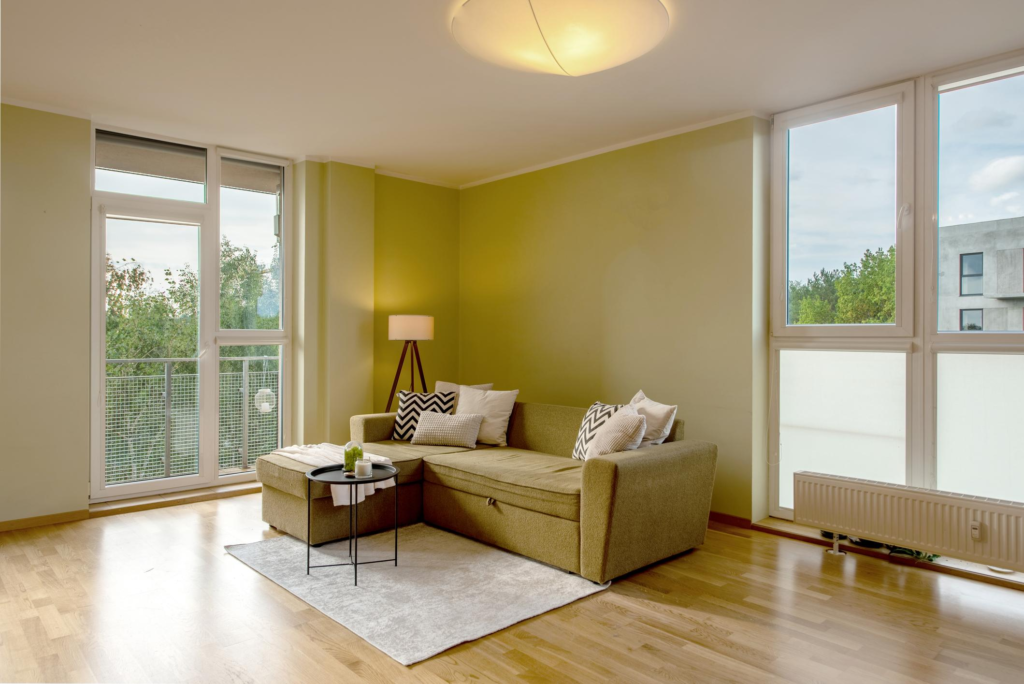
Everyday Appliances: Quiet Efficiency Gains That Add Up
Appliances are one of the clearest examples of smarter energy use blending into daily routines. Most Americans don’t think about energy efficiency when running a dishwasher or doing laundry—but modern equipment is doing far more with far less.
Programs like ENERGY STAR have helped standardize efficiency benchmarks across appliances, electronics, and HVAC systems.
Over time, this has changed expectations. New refrigerators, for example, use less than half the energy of models from the 1990s, while offering more storage and features.
Smarter appliance use also includes behavior, such as:
- Running dishwashers only when full
- Using cold-water laundry cycles for most loads
- Air-drying when weather and space allow
- Choosing induction or high-efficiency electric cooking options
These habits don’t feel restrictive—they simply reflect updated norms.
Heating, Cooling, and the Role of Smart Controls
Heating and cooling remain the largest energy expense for most U.S. households. Smarter energy use here is less about enduring discomfort and more about automation and precision.
Smart thermostats and zoned HVAC systems allow homes to adjust based on occupancy, time of day, and weather conditions. For example, a system might automatically reduce heating during work hours and restore comfort before residents return.
Homeowners frequently cite benefits beyond savings:
- More stable indoor temperatures
- Fewer hot or cold spots
- Reduced system wear and maintenance issues
Data from utility-backed studies shows that smart thermostat users often reduce heating and cooling energy use by 8–12% annually, depending on climate and usage patterns.
Energy Efficiency at the Neighborhood and Community Level
Smarter energy use increasingly extends beyond individual homes. Across the U.S., utilities and municipalities are investing in programs that support efficiency at scale.
Examples include:
- Time-of-use pricing that encourages off-peak consumption
- Community solar programs that reduce grid strain
- Utility rebates for insulation, heat pumps, and efficient appliances
- Demand-response programs that adjust usage during peak events
These initiatives often work quietly in the background, allowing residents to benefit without managing every detail themselves.
In many cases, Americans participate in energy efficiency programs without actively labeling themselves as “energy-conscious”—they simply respond to incentives that make sense.

Energy Efficiency and the Rise of the Home Office
Remote and hybrid work has permanently altered how Americans use energy. Homes now serve as offices, classrooms, and meeting spaces, often running electronics and climate control throughout the day.
Smarter energy use in this context includes:
- Energy-efficient monitors and laptops
- LED task lighting instead of overhead lighting
- Power strips that reduce phantom loads
- Strategic room usage to avoid conditioning unused spaces
These changes support productivity while preventing unnecessary energy consumption. For many households, efficiency upgrades have become part of making work-from-home sustainable and comfortable.
The Financial Perspective: Stability Over Short-Term Savings
While lower utility bills are a benefit, many Americans now view energy efficiency as a financial stability tool, not just a savings strategy.
Efficient homes tend to experience:
- More predictable monthly energy costs
- Lower exposure to seasonal price spikes
- Higher resale appeal in many markets
Studies cited by national real estate organizations suggest that energy-efficient features increasingly influence buyer perception, particularly among younger homeowners planning to stay long-term.
Smarter energy use, in this sense, supports budgeting and planning rather than chasing minimal monthly reductions.
Common Questions Americans Ask About Smarter Energy Use
Is energy efficiency worth it if I rent?
Yes. Portable solutions like smart thermostats (where allowed), efficient lighting, and behavior changes still deliver value.
Do smart devices really save energy?
When used properly, yes—especially for heating, cooling, and lighting.
Are efficiency upgrades expensive?
Costs vary, but many utilities offer rebates that significantly reduce upfront expenses.
Does energy efficiency affect comfort?
Most upgrades improve comfort by stabilizing temperatures and reducing drafts.
What’s the fastest way to reduce household energy use?
Address heating and cooling first, followed by major appliances.
Is energy efficiency the same as renewable energy?
No. Efficiency reduces consumption; renewables change how energy is produced.
Do older homes benefit as much as newer ones?
Often more, especially when insulation and sealing are improved.
How long before efficiency upgrades pay off?
Many see returns within 2–5 years, depending on the upgrade.
Are efficiency improvements noticeable day to day?
Yes—particularly in temperature consistency and noise reduction.
How Smarter Energy Use Fits Naturally Into American Life
The most successful energy-efficient homes don’t feel optimized—they feel normal. Smarter energy use works best when it aligns with how people already live, rather than forcing behavior changes that don’t last.
Across the U.S., this shift is happening quietly. It’s visible in how homes are built, how appliances are designed, and how families think about comfort and reliability. Energy efficiency is no longer a niche interest—it’s part of what modern living looks like.
When Efficiency Becomes Second Nature
Smarter energy use doesn’t demand attention once it’s integrated. The best systems, habits, and upgrades operate in the background, supporting daily life without constant decision-making. As more Americans experience the benefits firsthand, energy efficiency increasingly feels less like a choice—and more like the default.
Key Signals That Smarter Energy Use Is Working
- More consistent indoor comfort throughout the year
- Fewer surprises on monthly utility bills
- Reduced maintenance and system strain
- A home that adapts to changing routines