
Practical DIY upgrades focus on improving comfort, efficiency, organization, and long-term performance rather than cosmetic trends. From smart thermostats and LED lighting to garage storage systems and water-saving fixtures, targeted home improvements can reduce utility costs, streamline daily routines, and enhance property value. This guide explores data-backed, experience-driven upgrades that modern American homeowners can complete with manageable budgets and tools.
Modern American homes are evolving. With more remote work, rising utility costs, and increased focus on functionality, homeowners are prioritizing upgrades that improve everyday life. According to the U.S. Energy Information Administration (EIA), nearly 50% of household energy use goes toward heating and cooling. Meanwhile, the Environmental Protection Agency (EPA) reports that the average family uses more than 300 gallons of water per day at home.
These figures highlight a simple reality: practical improvements can make a measurable difference. The most effective DIY upgrades are not dramatic renovations. They are targeted changes that improve efficiency, reduce friction, and make daily routines easier.
Below are high-impact DIY projects grounded in real-world performance and long-term value.
1. LED Lighting and Layered Illumination
Lighting affects productivity, safety, and comfort. Many homes still rely on outdated incandescent bulbs or poorly positioned ceiling fixtures.
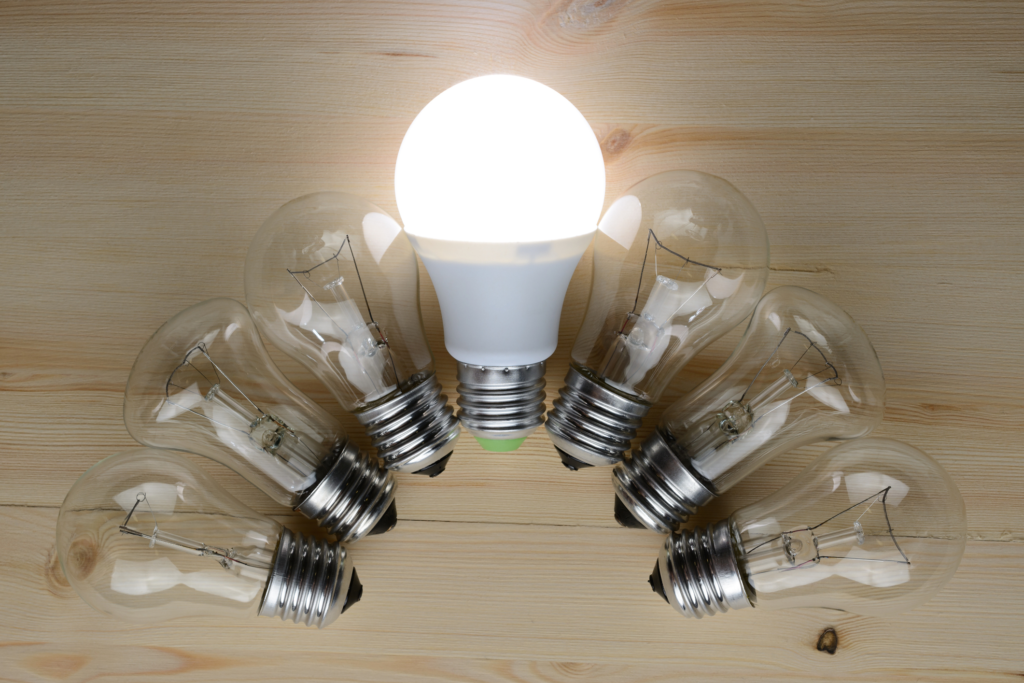
Upgrading to LED lighting reduces energy consumption by at least 75%, according to the U.S. Department of Energy. LEDs also last up to 25 times longer than traditional bulbs, reducing replacement frequency.
A layered lighting strategy includes:
- Ambient lighting for overall visibility
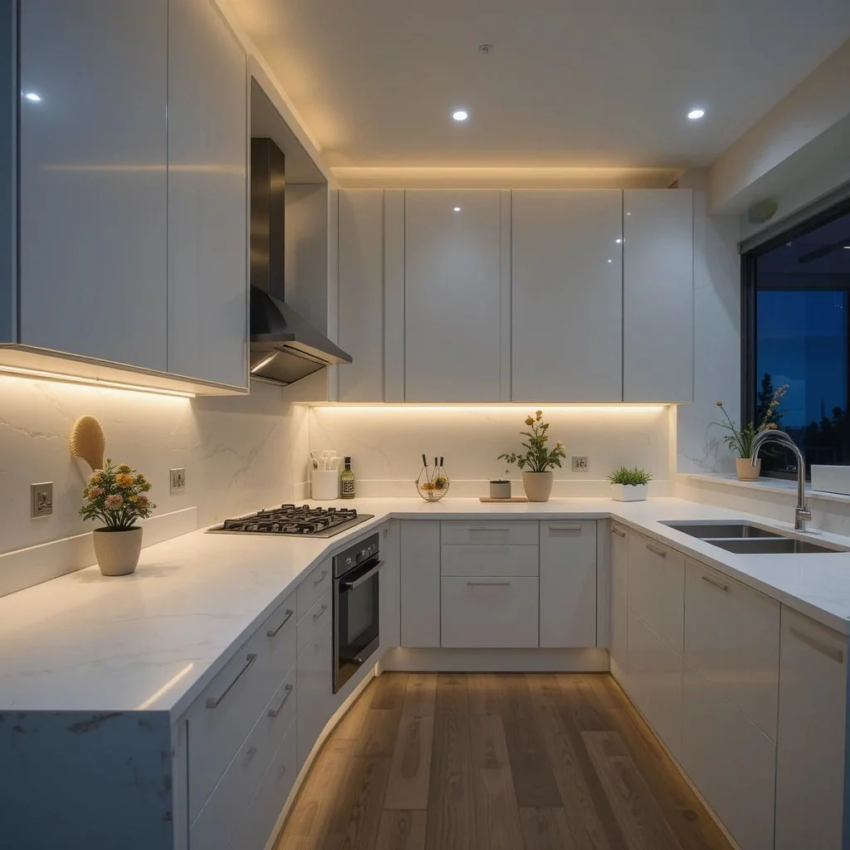
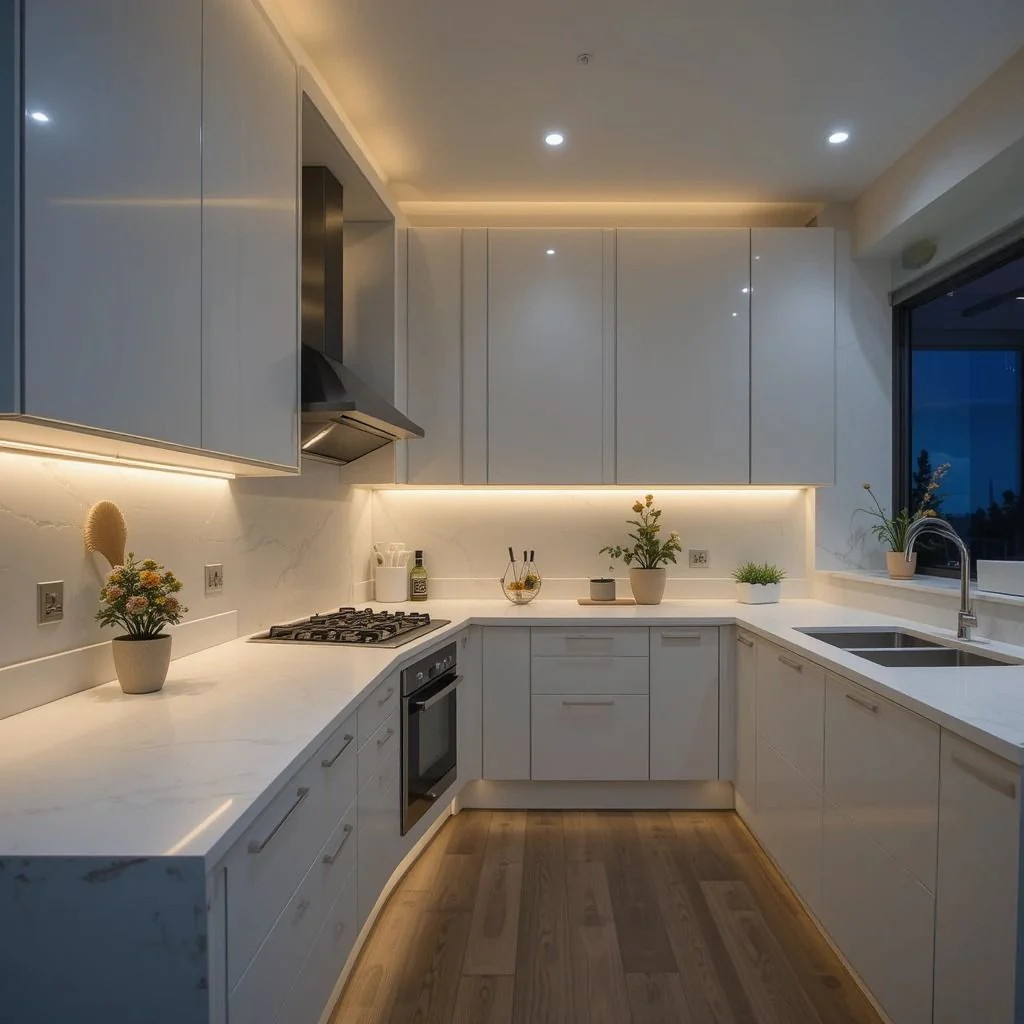
- Task lighting under cabinets and desks
- Accent lighting for depth and safety
Installing plug-in under-cabinet LED strips typically costs $40–$150 and can be completed in less than an hour. Homeowners often report improved food preparation visibility and reduced eye strain.
2. Smart Thermostat Installation
Heating and cooling are the largest energy expenses in most American households. A programmable or smart thermostat can reduce annual heating and cooling costs by up to 10%, according to the U.S. Department of Energy.
Most devices cost between $100 and $250. Installation generally takes under one hour if wiring is compatible.
Benefits include:
- Automated temperature scheduling
- Remote control via smartphone
- Usage tracking and efficiency insights
- Geofencing adjustments
For families with irregular schedules, automated adjustments eliminate the need for manual changes and improve nighttime comfort.
3. Water-Efficient Fixtures
EPA WaterSense-certified showerheads use no more than 2.0 gallons per minute. Replacing older models can save approximately 2,700 gallons of water annually for the average family.
Installation requires basic tools:
- Adjustable wrench
- Plumber’s tape
- 15–20 minutes
Low-flow bathroom faucets and dual-flush toilet retrofits also reduce water usage without sacrificing performance. These upgrades typically cost between $30 and $200.
4. Kitchen Storage Optimization
Many kitchens feel inefficient not because of size but because of poor layout.
Effective DIY storage upgrades include:
- Pull-out cabinet shelves
- Drawer dividers
- Vertical pan organizers
- Lazy Susans for corner cabinets
The National Association of Home Builders consistently identifies kitchen organization as a top homeowner priority.
Pull-out shelving kits range from $60–$250 per cabinet and significantly reduce bending and searching. Families frequently report saving several minutes per meal in preparation time after reorganizing storage.
5. Entryway Drop Zones
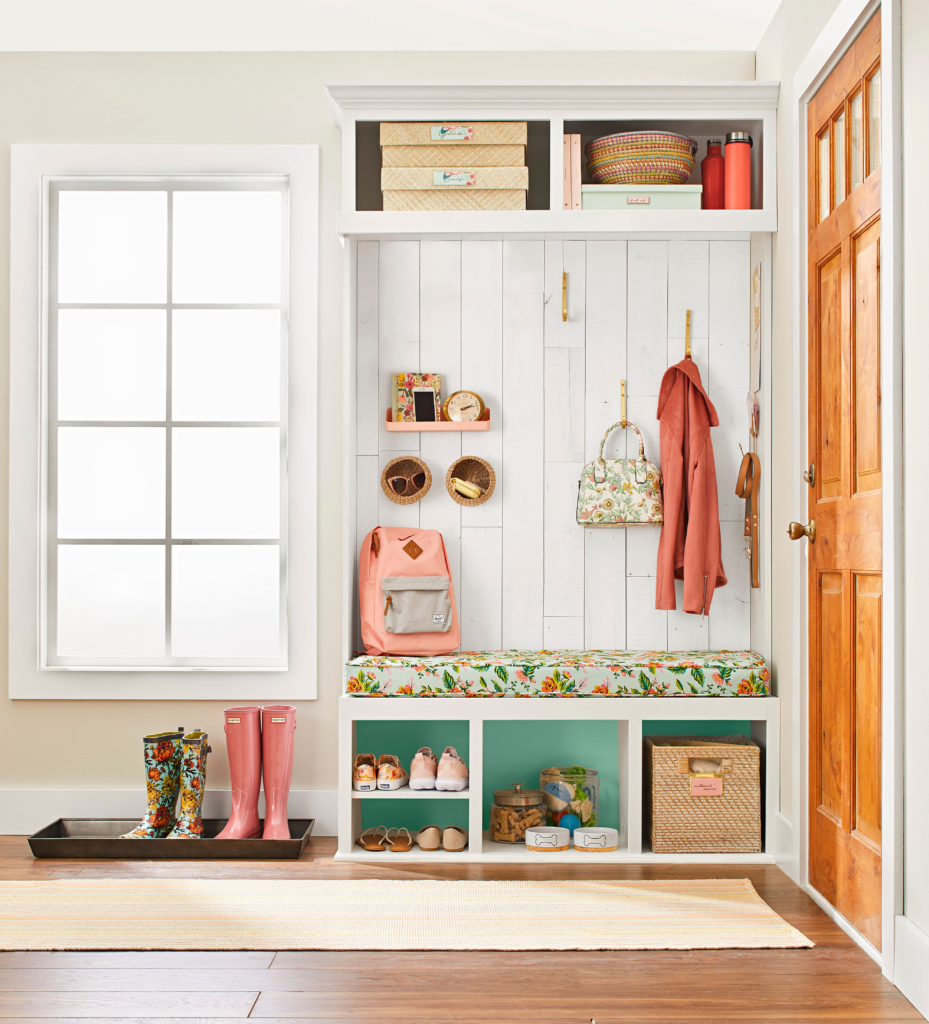
Clutter near the front door creates daily stress. A defined entry system prevents misplaced keys, shoes, and bags.
A practical drop zone may include:
- Wall hooks
- A narrow console with drawers
- A shoe bench
- Labeled baskets
Most systems cost $150–$400 depending on materials. Professional organizers emphasize that visible, designated storage improves routine efficiency and reduces morning delays.
6. Garage Vertical Storage Systems
The average two-car garage contains hundreds of items, yet much of the wall space remains unused.
Installing wall-mounted tracks, pegboards, and overhead racks can increase usable floor space by 20–30%. This reduces clutter and improves safety.
Typical costs:
- Pegboard system: $40–$120
- Wall track storage: $150–$500
- Overhead racks: $200–$600
These upgrades make seasonal tools and sports equipment more accessible.
7. Soft-Close Cabinet Hardware
Cabinet slamming contributes to long-term wear and noise. Soft-close hinge kits cost between $5–$15 per door and install with a screwdriver.
Benefits include:
- Reduced noise
- Extended cabinet lifespan
- Improved safety for children
While subtle, this upgrade enhances everyday comfort and perceived home quality.
8. Bathroom Ventilation Improvements
Bathrooms are prone to excess moisture. According to the EPA, improper ventilation can contribute to mold growth and indoor air quality issues.
Practical DIY solutions include:
- Exhaust fan timer switches
- Upgraded vent covers
- Weather stripping for draft reduction
Most improvements cost under $200 and help maintain humidity control, especially in humid climates.

9. Dedicated Charging Stations
Modern households rely on multiple devices. Without organization, cables accumulate quickly.
DIY solutions include:
- Drawer-based charging stations
- Cable management boxes
- Wall-mounted charging shelves
These upgrades reduce clutter, protect cords, and centralize devices. Costs typically range from $40–$200.
10. HVAC Filter and Air Quality Upgrades
Americans spend about 90% of their time indoors, according to the EPA. Regular HVAC maintenance improves air quality and system efficiency.
Best practices include:
- Replacing filters every 60–90 days
- Using compatible higher-MERV filters
- Sealing window drafts
- Cleaning air vents
Improved filtration reduces dust and allergens while supporting system performance.
Frequently Asked Questions
1. What DIY upgrades provide the highest return on investment?
Energy-efficient improvements such as LED lighting, smart thermostats, and water-saving fixtures often provide measurable savings over time.
2. How much should I budget for practical upgrades?
Most high-impact DIY projects fall between $50 and $500.
3. Are smart thermostats difficult to install?
Most include app-guided setup and labeled wiring systems.
4. How often should HVAC filters be replaced?
Typically every 60–90 days, depending on household conditions.
5. Do water-efficient fixtures reduce pressure?
Modern WaterSense-certified fixtures are engineered to maintain performance.
6. What is the most overlooked home improvement?
Lighting placement and quality significantly impact comfort and productivity.
7. How can I make a small kitchen more efficient?
Install pull-out shelving and vertical organizers to maximize cabinet space.
8. Do small upgrades increase resale appeal?
Functional, efficient homes often attract stronger buyer interest.
9. What is a simple weekend project with immediate impact?
Installing under-cabinet lighting or creating an entryway drop zone.
10. Are garage storage systems worth the cost?
Yes. They improve safety, organization, and accessibility.
Building a Home That Supports Daily Life
Practical DIY upgrades prioritize function over trend. They improve efficiency, reduce clutter, and lower operating costs. When homeowners assess daily routines—morning preparation, meal cooking, temperature control—they can identify friction points and address them strategically.
Rather than pursuing large renovations, thoughtful upgrades compound over time. A better-lit kitchen saves minutes daily. A smart thermostat lowers utility bills month after month. Organized storage reduces stress and improves safety.
Modern American homes benefit most from improvements that support how families actually live.
A Practical Upgrade Snapshot
- Replace incandescent bulbs with LED lighting
- Install a smart thermostat
- Upgrade to WaterSense-certified fixtures
- Add pull-out cabinet shelves
- Create an entryway drop zone
- Install vertical garage storage
- Add soft-close cabinet hardware
- Improve bathroom ventilation
- Organize charging stations
- Maintain HVAC filtration