
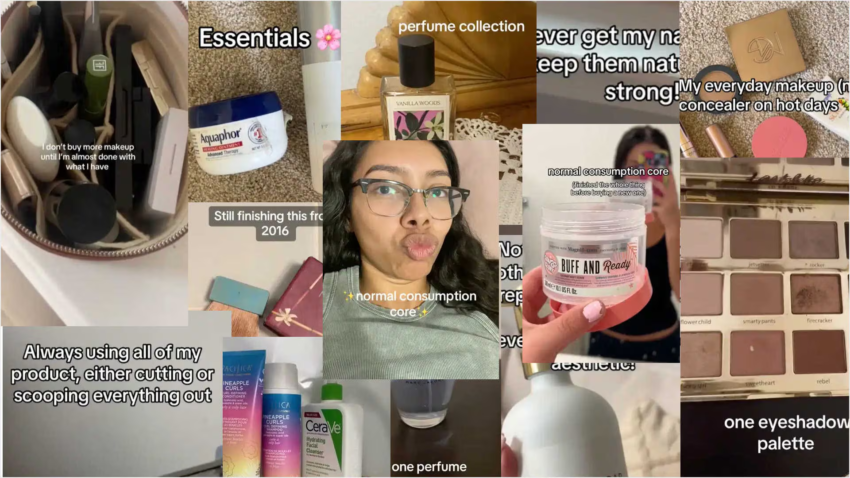
“Underconsumption Core” is a Gen Z–driven lifestyle trend focused on intentional spending, reusing what you already own, rejecting overconsumption culture, and prioritizing financial stability and sustainability. Popularized on TikTok, it reflects rising living costs, climate anxiety, and digital burnout. Unlike minimalism, this movement is less aesthetic and more practical—rooted in economic realism, mental health awareness, and long-term financial empowerment.
Scroll through TikTok for five minutes and you’ll likely stumble upon videos tagged #underconsumptioncore. Young creators show off nearly empty makeup bags, decade-old furniture, well-worn sneakers, and closets that haven’t changed in years. The message? You don’t need more.
The lifestyle, often called Underconsumption Core, is quickly becoming one of the most talked-about shifts in American consumer culture. But it’s more than a trend. It’s a reaction. A reset. And for many young Americans, it’s a survival strategy.
Let’s unpack what underconsumption core really means, why Gen Z is embracing it, and whether it’s here to stay.
What Is “Underconsumption Core” — Really?
At its core (no pun intended), underconsumption core is the intentional practice of using what you already have instead of constantly buying more.
But unlike aesthetic-driven minimalism trends of the 2010s, this isn’t about white walls and capsule wardrobes curated for Instagram. It’s about financial realism and resisting overconsumption culture amplified by platforms like TikTok.
Underconsumption core typically involves:
- Reusing products until they’re fully finished
- Repairing items instead of replacing them
- Avoiding impulse purchases driven by social media
- Rejecting “haul culture”
- Being transparent about financial limitations
- Buying fewer trend-based fashion items
Creators openly show:
- Half-used lipsticks
- Old IKEA furniture
- Not-upgraded iPhones
- Wardrobes with repeated outfits
And instead of shame? They get praise.
Why Is Gen Z Obsessed With Underconsumption?
To understand why Gen Z can’t stop talking about underconsumption core, you have to look at the economic backdrop.
1. The Cost-of-Living Crisis
According to the U.S. Bureau of Labor Statistics, inflation peaked at over 9% in 2022 — the highest in 40 years. Rent, groceries, and student loan repayments have surged. Gen Z is entering adulthood during economic instability.
For many, underconsumption isn’t trendy — it’s necessary.
A 24-year-old in Chicago might share how she stopped buying $60 skincare products after realizing her rent increased by $300. Instead, she finishes what she owns. That’s underconsumption core in action.
2. Climate Anxiety Is Real
The American Psychological Association reports increasing eco-anxiety among young adults. Fast fashion and overproduction contribute heavily to landfill waste. The average American throws away over 80 pounds of clothing annually.
Underconsumption becomes a small act of environmental control in a chaotic world.
3. Burnout From Influencer Consumerism
Over the past decade, social media normalized “haul” videos — massive shopping sprees showcased online. But Gen Z is fatigued by endless consumption content.
They’ve seen influencers promote hundreds of products. They’ve bought the viral Stanley tumbler, the viral Amazon leggings, the trending skincare — only to feel broke afterward.
Underconsumption core is almost rebellious.
How Is Underconsumption Core Different From Minimalism?
At first glance, it looks similar to Minimalism. But there’s a critical distinction.
Minimalism often emphasizes aesthetic simplicity — clean spaces, monochrome palettes, curated belongings.
Underconsumption core emphasizes practicality over aesthetics.
For example:
- A minimalist might replace items to match a theme.
- An underconsumption creator keeps mismatched items because they still work.
Minimalism can sometimes require spending money to achieve the “look.”
Underconsumption core says: Keep the chipped mug. It still holds coffee.
What Does Underconsumption Core Look Like in Real Life?
Here’s how it shows up in everyday American life.
In Fashion
Instead of buying every micro-trend, Gen Z shoppers are:
- Rewearing outfits frequently
- Thrifting instead of buying new
- Hosting clothing swaps
- Unfollowing fast fashion accounts
A college student in Austin might rotate the same five outfits for months — proudly.
In Beauty
Instead of chasing viral products, creators:
- Finish entire bottles before buying new ones
- Use multi-purpose products
- Skip “Sephora hauls”
- Avoid unnecessary backups
In Home & Tech
Rather than upgrading annually:
- Phones are used for 3–5 years
- Furniture is repaired
- Decor trends are ignored
- Appliances are fixed before replaced
It’s practical, grounded, and refreshingly honest.
Is Underconsumption Core Just Another Trend?
Some critics argue it’s simply another aesthetic cycle on social media.
But the difference lies in intent.
Unlike hyper-consumer trends, underconsumption core is rooted in:
- Economic pressure
- Environmental awareness
- Mental health boundaries
- Long-term financial planning
Google search interest for “how to stop impulse buying” and “no buy year challenge” has risen steadily since 2022.
This suggests deeper behavioral change — not just aesthetic signaling.
Trending Search Questions About Underconsumption Core
To better understand why Americans are searching this topic, let’s address the most common natural-language queries.
Why Is Underconsumption Core Trending in the US?
Because it aligns with three major cultural pressures:
- Inflation and debt anxiety
- Climate concerns
- Social media burnout
It provides a counter-narrative to constant marketing exposure.
Is Underconsumption Core Anti-Capitalist?
Not necessarily.
Participants still buy things — just less frequently and more intentionally. It’s about conscious consumption, not total rejection of commerce.
Does Underconsumption Core Save Money?
Yes — significantly.
Real-life example:
A 26-year-old in Denver tracked her spending after adopting underconsumption habits and reduced discretionary purchases by 40% in six months. That translated to $2,300 in savings.
Key savings areas include:
- Clothing
- Beauty products
- Trend-based decor
- Impulse Amazon purchases
How Do I Start Living an Underconsumption Core Lifestyle?
Start simple:
- Finish one product before buying another
- Create a 30-day purchase pause rule
- Unsubscribe from promotional emails
- Delete shopping apps from your phone
- Track non-essential spending for 60 days
Behavior change begins with awareness.
Is Underconsumption Core the Same as Being Cheap?
No.
Being cheap focuses on spending the least money possible.
Underconsumption focuses on maximizing value and reducing unnecessary consumption.
It’s thoughtful, not restrictive.
Can Underconsumption Core Improve Mental Health?
For many, yes.
Studies from the American Psychological Association show financial stress is one of the leading causes of anxiety in young adults.
Reducing unnecessary spending can:
- Lower guilt
- Reduce debt pressure
- Increase financial confidence
- Decrease comparison-driven stress
When you stop chasing trends, you stop chasing validation.
What Are the Downsides of Underconsumption Core?
It can become performative.
Ironically, showcasing how little you buy can turn into content pressure. If taken to extremes, it may cause:
- Over-restriction
- Shame around necessary purchases
- Social comparison in reverse
Balance is key.
Is Underconsumption Core Sustainable Long-Term?
If rooted in values rather than trend cycles, yes.
Long-term sustainability depends on:
- Clear financial goals
- Environmental priorities
- Emotional regulation
- Realistic expectations
If you’re doing it for yourself — not for social approval — it’s sustainable.
Why Is Gen Z Rejecting Fast Fashion?
Gen Z is the most environmentally conscious generation to date.
They’re aware of:
- Labor exploitation
- Textile waste
- Microplastics pollution
Underconsumption becomes a personal protest against industries that prioritize volume over ethics.
Does Underconsumption Core Work for Families?
Absolutely.
Families adopting underconsumption principles often:
- Rotate toys instead of constantly buying new ones
- Repair clothes
- Share streaming services
- Limit holiday over-spending
It can teach children financial literacy and environmental awareness early.
The Psychology Behind the Movement
Underconsumption core taps into deeper psychological needs:
- Control in uncertain times
- Autonomy from marketing influence
- Identity outside of materialism
Behavioral economists note that delayed gratification improves long-term financial outcomes. This lifestyle promotes exactly that.
In many ways, it echoes principles found in financial independence movements — but in a softer, more accessible form.
Expert Perspective: Why This Movement Matters
From a financial wellness standpoint, intentional spending correlates with:
- Higher savings rates
- Reduced credit card debt
- Stronger emergency funds
According to Federal Reserve data, nearly 37% of Americans would struggle to cover a $400 emergency expense. Underconsumption habits can directly address that vulnerability.
Environmentally, the EPA estimates that textile waste contributes over 11 million tons to U.S. landfills annually. Reducing fashion turnover has measurable impact.
This movement sits at the intersection of:
- Personal finance
- Sustainability
- Mental health
- Digital culture
That makes it culturally significant — not superficial.
Practical Takeaways: How to Apply Underconsumption Without Extremes
Instead of going “no-buy forever,” try:
- A quarterly spending reset
- A wardrobe inventory audit
- A beauty product usage tracker
- Repair-before-replace rules
- 24-hour cooling-off periods
Small shifts compound over time.
The Bigger Cultural Shift
Underconsumption core may signal something deeper:
A rejection of identity built on purchasing power.
For decades, American culture equated success with visible consumption. Bigger homes. Newer cars. Trendier wardrobes.
Gen Z, facing different economic realities, is redefining success as:
- Stability
- Sustainability
- Freedom from debt
- Authenticity
That’s a powerful pivot.
Final Thoughts: Is Underconsumption Core Here to Stay?
Trends fade. Values endure.
If underconsumption core remains rooted in financial literacy, environmental awareness, and emotional well-being — it could reshape American spending culture long-term.
But even if the hashtag fades, the habits may persist.
And perhaps that’s the real revolution.