
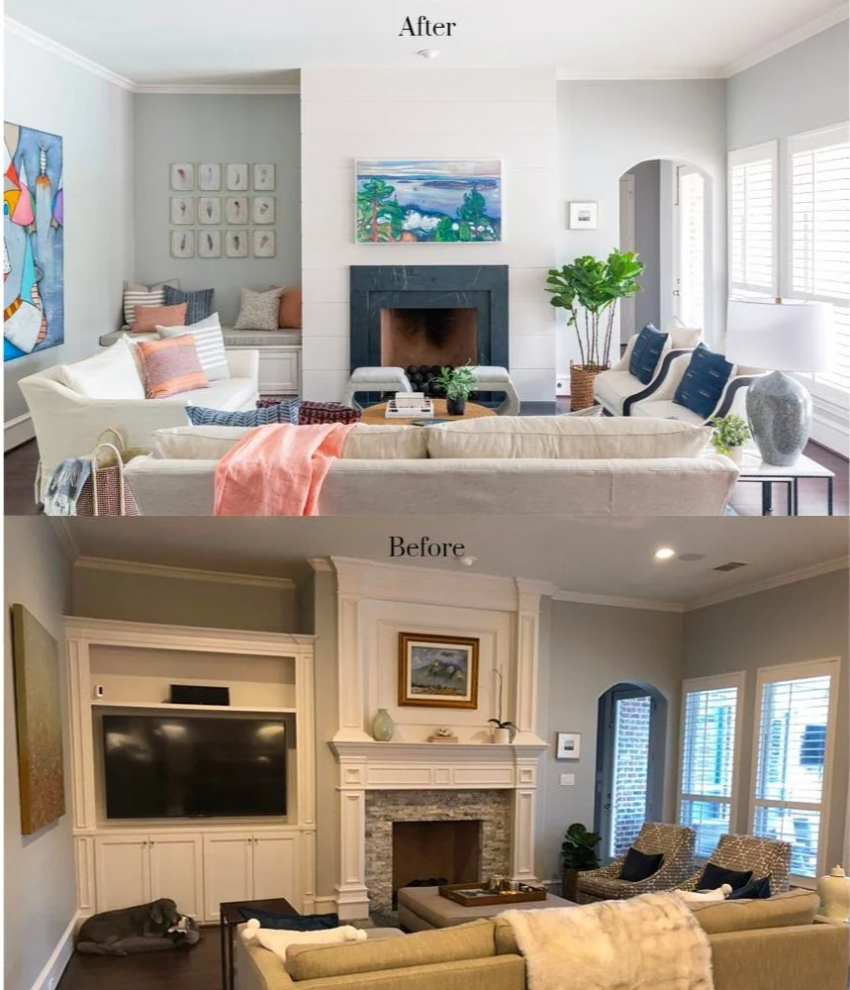
Strategic DIY home improvements can contribute to long-term property value when they focus on functionality, energy efficiency, modern design, and broad buyer appeal. Projects such as kitchen updates, bathroom refreshes, flooring improvements, landscaping, insulation upgrades, and smart home features are often associated with strong long-term returns. When approached thoughtfully, these upgrades not only improve everyday comfort but may also support property value over time.
For many Americans, a home is more than a place to live — it is often the largest financial asset they own. Naturally, homeowners frequently ask:
- Which DIY projects can increase property value?
- Are kitchen and bathroom renovations worth the effort?
- Do energy-efficient upgrades influence resale potential?
- What improvements typically offer the strongest long-term impact?
- Should I renovate before selling?
The reality is that not all home improvements deliver equal results. Some upgrades enhance both functionality and buyer appeal, while others may recover little of their cost.
Industry research from organizations such as the National Association of Realtors (NAR) and remodeling industry surveys consistently shows that value-adding improvements tend to improve usability, reduce maintenance concerns, and align with modern buyer expectations.
Let’s explore the DIY home improvements that can help support long-term property value — along with practical insights and strategic considerations.
Why Some DIY Projects Support Value (And Others Don’t)
Home improvements are more likely to support property value when they:
- Improve everyday functionality
- Reduce long-term operating costs
- Enhance energy efficiency
- Increase visual appeal
- Appeal to broad buyer preferences
Projects that are highly customized or overly niche may limit buyer interest.
For example, specialty rooms designed around personal hobbies may not resonate with the average buyer. In contrast, upgrades that improve storage, lighting, or efficiency typically have broader appeal.
The key principle: focus on universal functionality rather than personal taste.
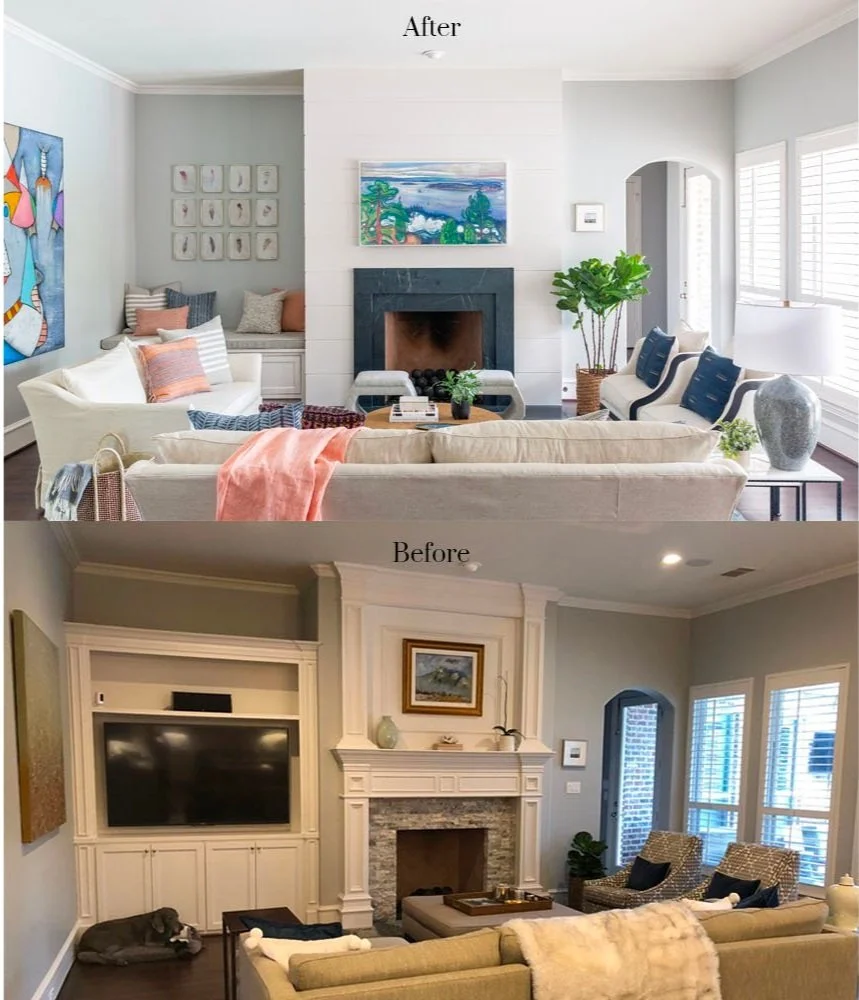
1. Kitchen Upgrades: A Consistent Value Driver
Minor kitchen improvements are frequently associated with positive resale outcomes.
The kitchen is often considered the heart of the home, and buyers tend to evaluate it closely. Even modest updates can significantly improve a home’s overall perception.
Remodeling industry reports suggest that smaller-scale kitchen updates often retain a substantial portion of their cost compared to full luxury remodels.
High-Impact DIY Kitchen Improvements
- Repainting or refacing cabinets
- Replacing outdated hardware
- Installing a modern backsplash
- Updating lighting fixtures
- Adding under-cabinet LED lighting
- Replacing worn countertops with durable materials
The goal isn’t luxury — it’s clean, neutral, and functional design that appeals to a wide audience.
2. Bathroom Refreshes That Strengthen Buyer Confidence
Bathrooms strongly influence buyer perception because they reflect maintenance and hygiene standards.
You don’t need a full spa renovation to make an impact. Small improvements can refresh the space and create a well-maintained appearance.
DIY Bathroom Projects That Can Add Appeal
- Replacing faucets and fixtures
- Updating vanity mirrors
- Improving lighting
- Regrouting tile
- Installing water-efficient toilets
- Refreshing caulk and sealing
Clean, modern bathrooms signal that a home has been cared for — which can positively influence buyer interest.
3. Energy Efficiency Upgrades: Long-Term Appeal
Energy-efficient features are increasingly important as utility costs rise.
Research from energy-focused housing studies suggests that efficient homes may attract stronger buyer interest in many markets. Buyers often look for properties that offer:
- Lower energy consumption
- Smart thermostats
- Proper insulation
- Efficient windows
- Reduced long-term operating costs
DIY Energy Improvements to Consider
- Installing programmable or smart thermostats
- Sealing air leaks around doors and windows
- Adding attic insulation
- Weather-stripping entry points
- Switching to LED lighting
- Installing low-flow fixtures
These upgrades can enhance comfort while potentially improving market appeal.
4. Curb Appeal: First Impressions Matter
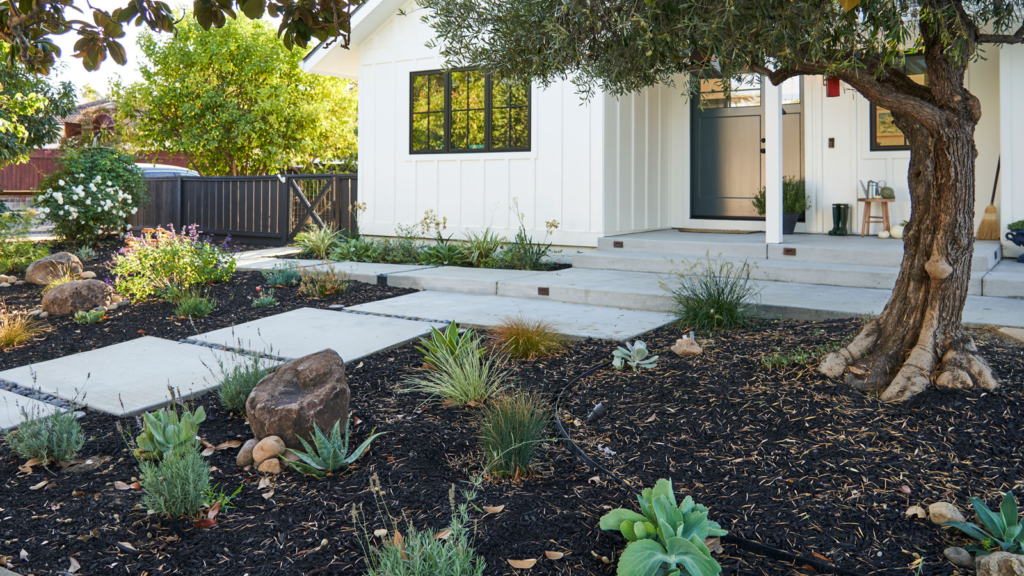
Exterior appearance plays a significant role in buyer perception. Many buyers form initial opinions before entering the home.
Properties with strong curb appeal often generate more interest during showings.
High-Impact DIY Exterior Projects
- Repainting the front door
- Power washing siding
- Updating house numbers
- Refreshing landscaping with mulch and plants
- Installing modern outdoor lighting
- Repairing cracked walkways
A welcoming exterior sets a positive tone for the entire property.
5. Flooring Upgrades Buyers Notice
Flooring significantly affects how modern and well-maintained a home feels.
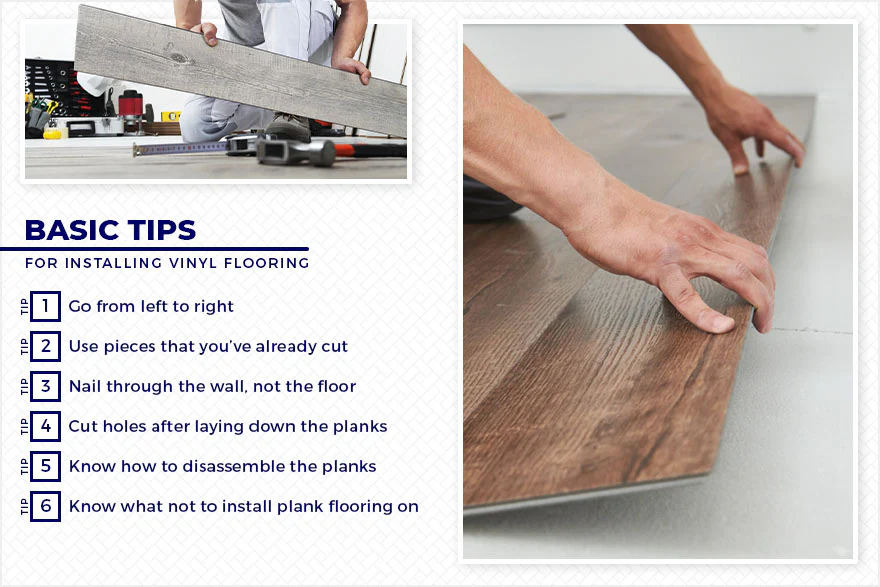
Hardwood flooring remains highly desirable in many markets, and durable alternatives such as luxury vinyl plank (LVP) are also popular.
Flooring Improvements That Add Appeal
- Refinishing existing hardwood
- Installing engineered hardwood
- Replacing worn carpet
- Installing durable vinyl plank flooring
Modern flooring can transform the overall presentation of a home.
6. Smart Home Technology and Modern Convenience
Smart home features may not drastically change appraisal values, but they often enhance buyer interest.
Popular upgrades include:
- Smart thermostats
- Smart locks
- Video doorbells
- Security systems
- Smart lighting controls
These features align with modern lifestyle expectations and can increase perceived convenience.
7. Functional Space Improvements
Functional spaces have become increasingly valuable, especially with remote work trends.
Practical Space Enhancements
- Converting unused areas into home offices
- Improving built-in storage
- Finishing basements where appropriate
- Adding shelving solutions
Functionality often drives buyer demand more than decorative upgrades.
8. Fresh Interior Paint: A High-Impact Upgrade
Interior paint is one of the most cost-effective DIY improvements.
Neutral colors such as:
- Warm white
- Soft gray
- Greige
- Light beige
Create a move-in-ready impression and broaden buyer appeal.
9. Outdoor Living Enhancements
Outdoor living areas have gained popularity across many U.S. markets.
Value-Adding Outdoor Projects
- Installing patios
- Adding simple decks
- Building fire pits
- Creating raised garden beds
- Adding seating areas
Outdoor entertaining space is frequently highlighted in real estate listings.
10. Maintenance Upgrades Buyers Quietly Appreciate
Some improvements may not be visually dramatic but can strengthen buyer confidence.
Examples include:
- Roof maintenance
- HVAC servicing
- Plumbing updates
- Electrical panel improvements
- Foundation repairs
Well-maintained systems reassure buyers and may positively influence negotiations.
Important Consideration
Return on investment varies based on local market conditions, neighborhood standards, project quality, and timing. While certain upgrades are commonly associated with stronger resale outcomes, results are not guaranteed and differ by region.
Frequently Asked Questions (FAQ)
1. What DIY home improvement typically adds the most value?
Minor kitchen updates, fresh paint, and flooring improvements are often associated with strong returns.
2. Are DIY renovations worth it before selling?
They can be, especially when focused on neutral updates that appeal to a broad range of buyers.
3. How much should I spend on improvements?
Many real estate professionals suggest aligning renovation budgets with neighborhood standards and overall property value.
4. Do solar panels increase home value?
In certain markets, energy-efficient features such as solar panels may enhance buyer interest, particularly in regions with high electricity costs.
5. Does finishing a basement add value?
Additional functional living space may increase market appeal when done properly and permitted.
Final Thoughts: Build Value Strategically
DIY home improvements are more than cosmetic changes — they are long-term financial decisions.
When approached strategically, upgrades can:
- Improve daily living
- Enhance buyer perception
- Reduce operating costs
- Strengthen overall property appeal
The most effective improvements focus on practicality, efficiency, and timeless design rather than short-term trends.
Your home is likely one of your most valuable assets. By prioritizing functional, broadly appealing upgrades, you can improve both comfort today and long-term property potential.