
Summary:
From Twitter beefs that turned into legal threats to Instagram snubs that ignited real-world confrontations, social media has become the incubator for some of the most explosive celebrity feuds of the last decade. This deep dive explores the top 10 celebrity conflicts that started online and escalated offline—with real examples, timelines, cultural impact, and expert insight.
Why Do Celebrity Feuds Matter? (And Why They Go Viral)
In the digital age, celebrity feuds aren’t just gossip—they’re public narratives that shape fandoms, impact careers, and influence pop culture itself. Social media provides instant access and direct communication between stars and the public, but it also creates a charged environment where half-thought posts ignite massive reactions.
Experts studying celebrity conflict note that feuds often become spectacles because they tap into psychological triggers like tribalism, schadenfreude, and narrative suspense. Many fans choose sides, driving engagement and amplifying the drama far beyond the original spark.
Social media allows celebrities to bypass traditional media and communicate directly with fans. While this increases engagement, it also magnifies the stakes—one misunderstood tweet can spark a firestorm of controversy overnight.
1. James Charles vs. Tati Westbrook — “Sistergeddon” (YouTube War That Changed Influencer Culture)
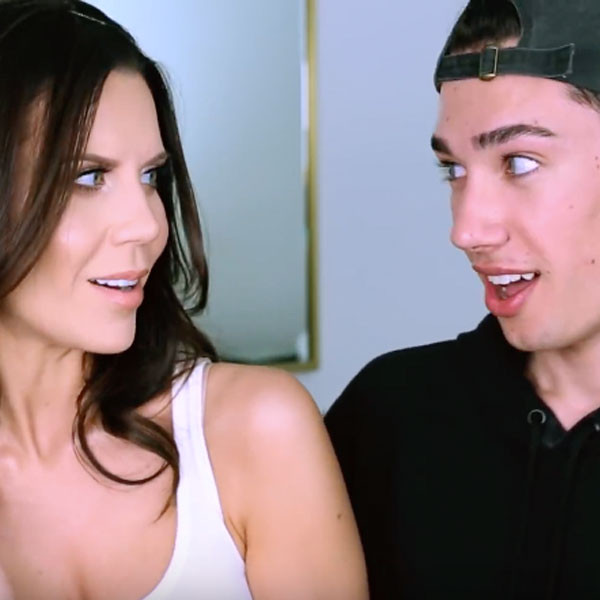
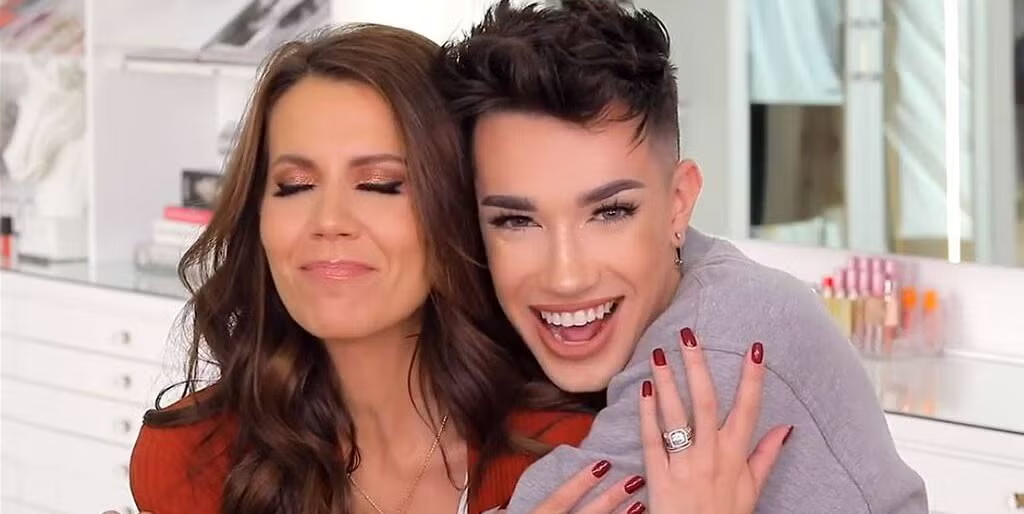
The feud between beauty influencers Tati Westbrook and James Charles is one of the most notorious social media conflicts of the influencer era. What began as a bitter Instagram snub blew up into viral drama that altered YouTube culture forever.
In May 2019, Westbrook shared a 43-minute video titled “BYE SISTER”, publicly accusing Charles of betrayal — claiming he promoted a rival brand instead of her Halo Beauty and making personal allegations about his behavior. The fallout was immediate: Charles lost millions of subscribers, and the drama saturated entertainment coverage worldwide.
This feud didn’t just affect subscriber counts; it reshaped how influencer audiences interpret authenticity and loyalty — turning private resentment into content with global viewership.
Key Takeaways:
- Influencer feuds can instantly change audience perception.
- Long-form YouTube content magnifies online arguments.
- Public conflicts often have measurable business impact.
2. Nicki Minaj vs. Cardi B — Years of Tweets, Diss Tracks, and Red Carpet Tension
One of hip-hop’s longest and most publicized feuds was between Nicki Minaj and Cardi B. Their conflict began with perceived social media digs and escalated to headline-grabbing moments, including a physical confrontation at New York Fashion Week in 2018.
The tensions encompassed:
- Public accusations and rebuttals on Twitter and Instagram
- Remarks about family and career
- A fashion week party where Cardi was injured
While periodically de-escalated, their feud re-ignited around new projects and release cycles, demonstrating how online shade can underpin long-term conflicts in celebrity circles.
Lessons Learned:
- Feuds can span years and revive multiple times.
- Public confrontations often attract media attention faster than private resolution.
3. Drake vs. Kanye West — Social Media Battles That Bred Diss Tracks
This feud demonstrates how creative expression channels conflict, letting social media feed into artists’ output and broader fan engagement.
Practical Takeaway:
- Music releases can function as both creative work and public rebuttal.
4. Doja Cat vs. Influencer Culture — When Fans Rally Back
In a more recent example, Doja Cat publicly criticized fan influencers on Meta’s Threads, triggering public disputes and a record number of unfollows.
Key points:
- Artist-fan tension can become just as viral as star-vs-star feuds.
- Comments or critiques online often provoke community-driven conflict.
5. Olivia Rodrigo vs. Sabrina Carpenter — Fans Decode Hidden Lyrics
Fans speculated that Olivia Rodrigo’s 2025 music releases contained hidden references to Sabrina Carpenter, sparking debates on Twitter, TikTok, and YouTube. While unconfirmed, this feud illustrates how interpretation alone can trigger online drama.
Takeaway:
- Online speculation can fuel a feud without direct confirmation.
- Engagement may be driven by fan narrative rather than actual conflict.
6. Jake Paul vs. KSI — Social Banter Turned Boxing Spectacle
Initially YouTube adversaries trading insults, Jake Paul and KSI turned their conflict into high-stakes pay-per-view boxing matches, garnering millions of viewers.
Lessons for Brands and Celebrities:
- Feuds can be monetized with creative pivoting.
- Digital beefs may evolve into offline spectacles with measurable ROI.
7. Megan Thee Stallion vs. Tory Lanez Supporters — Old Debates Reignited Online
Even legal issues can resurface as social media feuds. In 2025, a viral tweet questioning Megan Thee Stallion led to renewed attacks from Tory Lanez’s supporters — demonstrating how offline history fuels fresh online battles.
Key Takeaway:
- Legal or personal incidents can amplify online tension years later.
8. Azealia Banks — Social Media as a Battlefield
Azealia Banks is known for igniting multiple feuds online, including conflicts with Matty Healy. Her posts demonstrate how social media can sustain cycles of conflict indefinitely, impacting both reputation and collaborations.
9. Island Boys vs. Other Personalities
The viral duo Island Boys clashed with personalities like Logan Paul, Kevin Hart, and Snoop Dogg, starting with podcasts and escalating into comedy specials and social media mockery.
Insight:
- Viral fame often attracts repeated social confrontation.
- Humor and meme culture can fuel prolonged feuds.
10. Celebrity Family Feuds That Blew Up Online — The Beckhams
In early 2026, Brooklyn Beckham publicly criticized his parents, David and Victoria Beckham, via Instagram, accusing them of prioritizing “Brand Beckham” over family.
Even family disputes can become global phenomena when shared on social media.
Common Patterns Across Celebrity Feuds
- One post triggers escalation: Social media posts often snowball into full-blown public conflicts.
- Fan communities amplify drama: Hashtags, memes, and commentary accelerate visibility.
- Offline consequences are real: Legal actions, live events, and business impact often follow.
- Career implications: Social sentiment can enhance or damage celebrity reputations.
FAQs About Celebrity Feuds
Q1. What is a celebrity feud?
A celebrity feud is a public disagreement between public figures, often played out online or in media coverage.
Q2. Why do so many feuds start online?
Social media allows instant communication and rapid amplification, often escalating small disputes into viral spectacles.
Q3. Have any celebrity feuds led to legal battles?
Yes—defamation claims, contractual disputes, and public relations battles have all stemmed from feuds.
Q4. Are celebrity feuds real or publicity stunts?
Both. Some are genuine conflicts; others are strategically used for engagement and exposure.
Q5. How long do celebrity feuds normally last?
From days to years, depending on public interest, media coverage, and recurrence around new projects.
Q6. Do feuds affect careers?
Absolutely. Feuds can harm reputations, reduce opportunities, or boost visibility.
Q7. How do fans impact feuds?
Fans amplify tension through hashtags, commentary, and social pressure, sometimes forcing celebrities to respond.
Q8. Can celebrities reconcile publicly?
Yes. Many feuds end with peace gestures, collaborations, or mutual silence.
Q9. Are feud hashtags trending now?
Yes—hashtags like #CelebrityFeuds, #NickiVsCardi, #Sistergeddon, #BeckhamDrama are popular.
Q10. What’s the psychology behind feud fascination?
Humans are wired for narrative and conflict; celebrity feuds satisfy curiosity, tribal identity, and social discourse.
Final Takeaways
Celebrity feuds are more than entertainment—they’re cultural phenomena shaped by social media, fan psychology, and personal branding. From rappers trading diss tracks, to influencers going viral, to family tensions playing out in public, these conflicts highlight the power—and peril—of fame in the digital era.
Understanding these battles offers insight into media, fandom, and modern celebrity culture, showing why we can’t look away from the drama online—or offline.