
Summary:
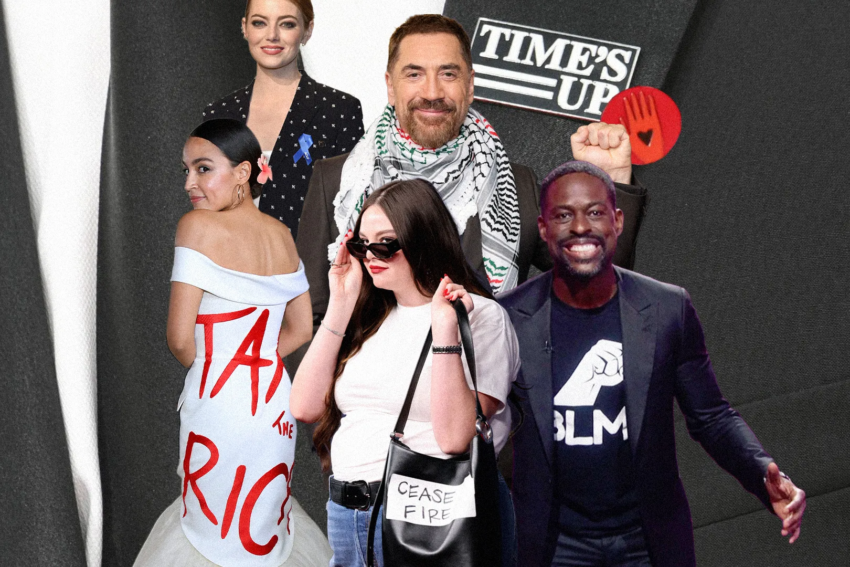
From high-stakes red carpet moments to social media firestorms, today’s celebrities walk a tightrope between public advocacy and backlash. Some stars boldly critique activism — only to reverse, clarify, or backpedal within hours under pressure. This article examines why this happens, where it backfires, and what it means for celebrity influence today.
Why Celebrity Activism Is a Double-Edged Sword
In today’s digital age, celebrities wield enormous influence. Every post, statement, or public appearance has the potential to shape conversations, raise awareness, or inspire social change. However, this spotlight is a double-edged sword. Speak up on social causes, and you risk criticism; remain silent, and you risk being labeled apathetic or indifferent.
The pressure is heightened by social media, where fans expect instant engagement and accountability. According to the Carnegie Endowment for International Peace, the rise of digital platforms has intensified the risks associated with celebrity activism, amplifying both praise and criticism simultaneously .
Celebrities can be powerful catalysts for social change, bringing attention to causes that might otherwise go unnoticed. At the same time, poorly framed statements, tone-deaf campaigns, or perceived self-interest can backfire spectacularly, forcing celebrities to publicly retract, clarify, or apologize. (audacitymagazine.org)
The “Activism Slam — Then Swerve” Phenomenon Explained
What Triggers a Backlash?
The public and media scrutiny that comes with celebrity activism can be unforgiving. Most high-profile retractions happen when:
- Statements misrepresent a complex issue, oversimplifying nuanced social or political dynamics.
- Activism projects seem exploitative, such as turning real-life struggles into entertainment or competitive formats.
- Fans accuse celebrities of performative activism, where intentions appear motivated by image or branding rather than genuine concern.
When statements meet these triggers, social media amplifies them, rapidly escalating controversies into viral debates.
Case Study 1 — Priyanka Chopra and The Activist Backlash
A prime example of a celebrity backpedal occurred with Priyanka Chopra and the reality show The Activist. The show was designed to pit activists against each other in a competition format — an idea many viewers found exploitative of serious social causes .
- The announcement generated instant backlash, with critics labeling the format as trivializing real-world activism.
- Chopra responded with a public apology, emphasizing her intent to amplify activists’ voices and acknowledging that the show’s presentation fell short.
- In response, the show’s producers retooled the format from a competitive reality series into a documentary-style series, focusing on authentic, educational storytelling rather than entertainment.
Takeaway: Even well-intentioned celebrity-backed projects can trigger backlash when perceived as exploiting causes. A public apology and corrective action often become necessary to restore credibility.
Case Study 2 — The “Celebjihad” Controversy Around Selena Gomez
In early 2026, the digital world witnessed the “Celebjihad” controversy, involving Selena Gomez and her posts on the Israeli-Palestinian conflict .
- Gomez’s posts expressing concern over humanitarian issues drew polarized reactions, amplified by highly organized online movements.
- Under intense scrutiny, Gomez deleted some posts, which was interpreted as a retreat in the face of public pressure.
- Critics debated whether this move represented self-preservation, accountability, or fear of backlash, highlighting the delicate balance celebrities must maintain between personal convictions and public reception.
Takeaway: Even well-intentioned activism can provoke controversy when it touches sensitive geopolitical topics. Social media magnifies every reaction, creating high-stakes public communication challenges.
Case Study 3 — Jameela Jamil’s Clarifications
Jameela Jamil is widely recognized for her outspoken stance against performative activism and celebrity hypocrisy. However, even she has experienced situations requiring public clarification.
- Jamil criticized certain entertainment platforms for contradictory positions on activism.
- When her own statements were interpreted as inconsistent with her advocacy, she issued clarifications on Instagram, emphasizing her commitment to authenticity and accountability
Takeaway: Even celebrities deeply invested in activism must carefully navigate public perception and ensure consistency in their messaging.
Why Celebrities Often Backtrack
1. The Social Media Microscope
Platforms like Instagram, X, Threads, and TikTok expose celebrities to instant feedback. Every statement is dissected, reshared, and critiqued, amplifying even minor missteps.
2. Expectations vs. Expertise
Fans expect celebrities to comment authoritatively on complex issues, from climate change to human rights. Oversimplified statements can appear naïve or insensitive, inviting scrutiny and backlash.
3. Cancel Culture and Corporate Pressure
Agents, sponsors, and studios may indirectly pressure celebrities to retract statements to safeguard reputations, endorsements, and partnerships. Public apologies and clarifications often act as risk management tools.
Lessons From Celeb Backpedals
Practical Takeaways for Public Figures
- Research before posting: Ensure statements reflect accurate information.
- Collaborate with experts: Elevate voices of those directly affected by the cause.
- Avoid oversimplification: Nuanced issues rarely fit neatly into a single soundbite.
- Be transparent: Sincere acknowledgment of mistakes can strengthen audience trust.
- Use measured language: Avoid provocative phrases that can be easily misinterpreted.
These principles are not just for celebrities — any public figure engaging with social issues can benefit from thoughtful, informed communication.
Trending FAQs About Celebrity Activism Backpedals
1. Why do celebrities sometimes attack activism only to apologize later?
Backlash often arises from oversimplified commentary, miscommunication, or offending segments of their audience. Public apologies allow them to regain credibility.
2. What was The Activist controversy about?
Priyanka Chopra faced criticism for a reality show that turned activism into a competition, prompting public apology and format retooling.
3. Is celebrity activism effective?
Yes, if informed and focused. However, performative or superficial efforts are often dismissed. (audacitymagazine.org)
4. How do fans react when celebrities backtrack?
Reactions range from praise for accountability to criticism of inconsistency, often depending on the intensity of the topic.
5. Do celebrities apologize faster now due to social media?
Yes, social media accelerates feedback loops, forcing rapid responses to criticism or missteps.
6. Can backing down harm a celebrity’s career?
Handled poorly, it may affect credibility. Managed transparently, it can reinforce authenticity.
7. Are there celebrities who never back down?
Some consistently stand firm on issues they understand well, but almost all public figures occasionally temper statements due to external pressure.
8. What’s the difference between activism and performative activism?
Genuine activism involves informed, sustained efforts. Performative activism focuses on visibility and perception rather than real impact. (audacitymagazine.org)
9. Do public apologies satisfy critics?
Sometimes, especially if coupled with action that aligns with the apology.
10. Why does the public care so much about celebrity activism?
Celebrities’ platforms amplify moral and social expectations, merging entertainment, influence, and advocacy in ways audiences scrutinize closely.
Final Takeaway
Celebrity activism is a high-stakes balancing act. Public figures wield extraordinary influence but are constantly under scrutiny. When stars critique movements only to retract their statements hours later, it illustrates the challenges of advocacy in the digital age. Transparency, research, and consistent messaging are essential for maintaining trust and credibility in a world where every statement can go viral in minutes.