
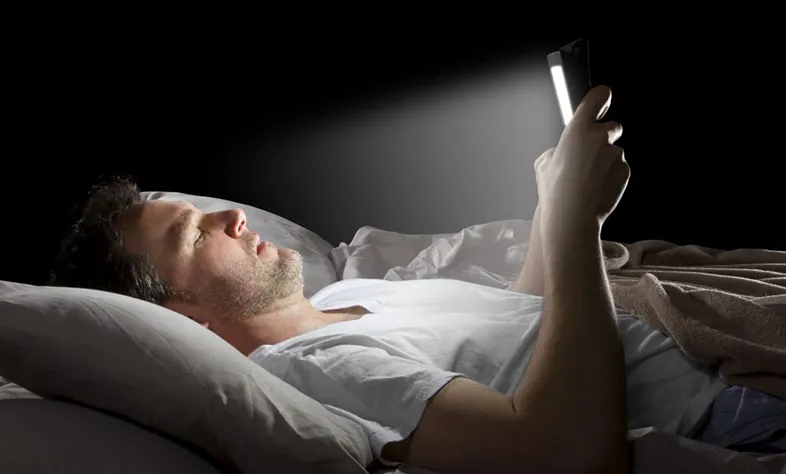
Summary
Stopping phone use after 8 P.M. can significantly improve sleep quality, reduce anxiety, enhance relationships, and boost next-day productivity. Research from Harvard Medical School and the National Sleep Foundation shows that evening screen exposure disrupts melatonin and increases mental stimulation. Americans who adopt a digital curfew consistently report calmer nights, clearer mornings, and measurable improvements in focus and emotional well-being.
At first glance, it sounds almost too simple.
Stop checking your phone after 8 P.M.? That’s it?
No supplements.
No expensive productivity system.
No 5 A.M. wake-up ritual.
Just a boundary.
Yet for thousands of Americans experimenting with an evening digital curfew, the changes have been dramatic — and in many cases, life-altering.
In a culture where being “always on” has become the norm, reclaiming your evenings might be one of the most powerful mental and physical health upgrades available.
Let’s explore exactly what happens when you stop checking your phone after 8 P.M., why the results feel so wild, and how you can realistically implement it in your own life.
Why Is Checking Your Phone at Night So Harmful?
To understand the transformation, you first need to understand the damage.
Evening phone use disrupts three major systems in your body:
- Melatonin production (sleep hormone)
- Dopamine regulation (reward system)
- Cortisol levels (stress hormone)
According to sleep research highlighted by Harvard Medical School, blue light exposure at night suppresses melatonin, delaying sleep onset and reducing sleep depth. Meanwhile, data referenced by the National Sleep Foundation shows that screen exposure before bed is associated with longer time to fall asleep and lower overall sleep quality.
But here’s what most people overlook:
It’s not just the light.
It’s the stimulation.
Late-night scrolling exposes you to:
- Breaking news
- Work emails
- Social comparison
- Emotional conversations
- Viral outrage
- Endless novelty
Your brain doesn’t know it’s “just scrolling.”
It interprets it as activity — sometimes even threat.
And that keeps your nervous system switched on.
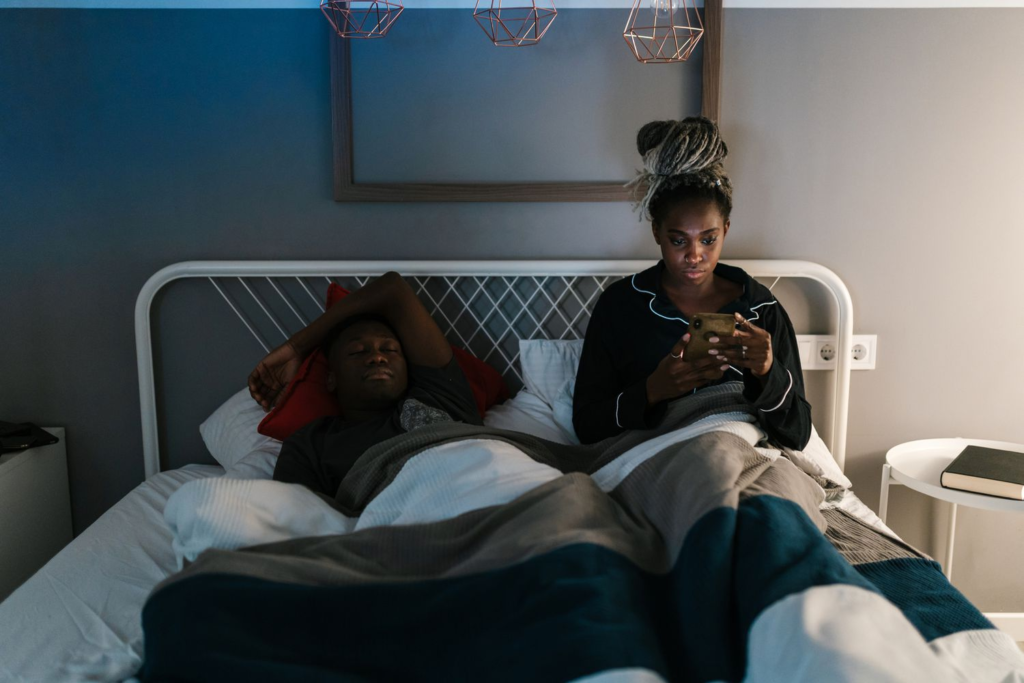
What Happens to Your Sleep When You Stop Checking Your Phone After 8 P.M.?
1. You Fall Asleep Faster
One of the first noticeable changes is reduced sleep latency — the time it takes to fall asleep.
Consider this real-life example:
Emily, a 36-year-old HR manager in Texas, used to scroll until 10:30 or 11 P.M. She often lay awake for 40 minutes replaying emails and conversations in her head. After implementing an 8 P.M. phone cutoff, she began falling asleep within 15–20 minutes consistently.
Nothing else changed.
No new mattress.
No supplements.
No meditation app.
Just removing stimulation.
2. You Experience Deeper, More Restorative Sleep
When the brain winds down properly:
- REM sleep increases
- Deep sleep stabilizes
- Middle-of-the-night wakeups decrease
Many people tracking their sleep report measurable improvements within two weeks.
More importantly, they feel different in the morning.
Not groggy.
Not foggy.
Not immediately stressed.
3. You Stop Waking Up in Reactive Mode
Here’s a subtle but powerful shift:
When you don’t go to bed stimulated, you’re less likely to wake up anxious.
And when your phone isn’t beside your pillow, you’re less likely to grab it immediately.
That changes your entire morning trajectory.
Instead of:
Email → News → Notifications → Stress
You experience:
Breathing → Awareness → Intention → Clarity
That shift compounds daily.
Does Stopping Phone Use at Night Reduce Anxiety?
In many cases, dramatically.
Nighttime scrolling feeds what psychologists call “anticipatory stress.” You see work messages. Political headlines. Social comparison triggers. Even subtle tensions activate the stress response.
Jason, a 29-year-old engineer in Seattle, noticed his resting heart rate dropped after two weeks without checking Slack at night. His Sunday anxiety reduced significantly because he wasn’t reactivating work stress before bed.
When your nervous system gets a true off-switch, anxiety often decreases naturally.
People report:
- Fewer racing thoughts
- Less overthinking
- Improved emotional regulation
- Reduced “background stress”
The effect feels disproportionate to the effort.
What Happens to Your Brain and Dopamine?
Evening phone use creates frequent dopamine spikes.
Every notification.
Every scroll.
Every “like.”
When you remove that nightly stimulation, your brain recalibrates.
After 10–14 days, many people report:
- Improved attention span
- Reduced craving for constant stimulation
- More patience
- Greater enjoyment of slower activities
Reading feels easier.
Conversations feel deeper.
Even boredom becomes tolerable again.
That’s dopamine normalization.
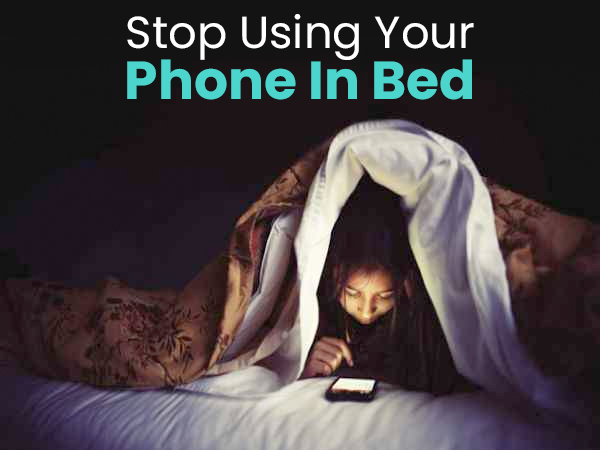
How Does an 8 P.M. Phone Cutoff Improve Relationships?
This may be the most overlooked benefit.
Picture a typical evening:
Two people on the couch.
Both scrolling.
Minimal eye contact.
Now remove the phones.
Couples who implement digital boundaries often report:
- More meaningful conversations
- Increased intimacy
- Better conflict resolution
- More laughter
Parents describe even stronger benefits:
- Engaged bedtime routines
- Stronger child connection
- Reduced guilt about distraction
Presence builds trust.
And trust builds closeness.
Does It Improve Productivity the Next Day?
Yes — often substantially.
Better sleep directly enhances:
- Cognitive performance
- Decision-making
- Emotional control
- Problem-solving
Professionals who adopt evening phone boundaries frequently report gaining the equivalent of several high-quality work hours per week simply because they think more clearly and waste less time in reactive loops.
You’re no longer operating from mental fatigue.
You’re operating from rest.
What Do You Actually Do After 8 P.M. Without Your Phone?
This is where most people hesitate.
“What will I even do?”
Here’s what Americans are rediscovering:
- Reading physical books
- Journaling
- Light stretching or yoga
- Evening walks
- Talking with family
- Listening to music
- Preparing tomorrow’s priorities
- Practicing gratitude
Within two weeks, many say:
“I didn’t realize how overstimulated I was.”
The evenings feel slower — but better.
Is It Realistic in 2026 to Stop Using Your Phone at Night?
You don’t need perfection.
You need boundaries.
Many successful adopters use these strategies:
- Enable “Do Not Disturb” after 8 P.M.
- Allow emergency contacts only
- Charge phone outside bedroom
- Use a physical alarm clock
- Remove social media apps from home screen
- Inform coworkers of availability hours
The goal isn’t isolation.
It’s intentional disconnection.
The Hidden Cost of Nighttime Phone Use
Let’s calculate the time:
1.5 hours per night
5 nights per week
≈ 390 hours per year
That equals:
- 16 full 24-hour days
- Nearly 10 full workweeks
Imagine reclaiming even half of that.
What could you build?
Repair?
Strengthen?
Learn?
The opportunity cost is enormous.
What Happens After 30 Days?
After one month, the change stops feeling like a “challenge.”
It becomes identity.
People report:
- A calmer baseline nervous system
- Improved discipline in other habits
- Better food choices
- More consistent exercise
- Stronger boundaries with work
The biggest shift?
Self-trust.
You prove you can control your technology — not the other way around.
10 Frequently Asked Questions (FAQ)
1. How long does it take to see results?
Most people notice improved sleep within 7–14 days.
2. Is blue light really the main issue?
Blue light plays a role, but mental stimulation is equally disruptive.
3. Can I just use night mode?
Night mode reduces light intensity but does not eliminate cognitive stimulation.
4. What if I work late?
Set your cutoff after work ends — consistency matters more than exact timing.
5. Does this help with insomnia?
For mild insomnia caused by overstimulation, yes. Severe insomnia requires professional evaluation.
6. Will I miss emergencies?
You can allow emergency contacts through Do Not Disturb settings.
7. Is watching TV just as bad?
Passive viewing is typically less stimulating than interactive scrolling, though moderation still matters.
8. Can this reduce burnout?
Yes. Disconnecting at night supports emotional recovery and lowers chronic stress.
9. What if I feel bored?
Boredom often precedes creativity. Many people rediscover hobbies within weeks.
10. Does this help mental health overall?
Improved sleep, reduced comparison, and lower stress can significantly improve mood stability.
Practical 7-Step Implementation Plan
- Choose a realistic cutoff time (8 P.M. ideal).
- Inform family or coworkers.
- Turn on Do Not Disturb.
- Charge your phone outside your bedroom.
- Replace scrolling with one calming activity.
- Track sleep and mood for two weeks.
- Adjust as needed — but stay consistent.
Small habit. Massive ripple effect.
Why the Results Feel “Wild”
Because modern life has normalized overstimulation.
When you remove it — even briefly — your nervous system recalibrates to something more natural.
Better sleep.
Lower anxiety.
Stronger relationships.
Sharper mornings.
More control.
It feels dramatic because we’ve drifted so far from balance.
The 8 P.M. phone boundary isn’t extreme.