
Summary
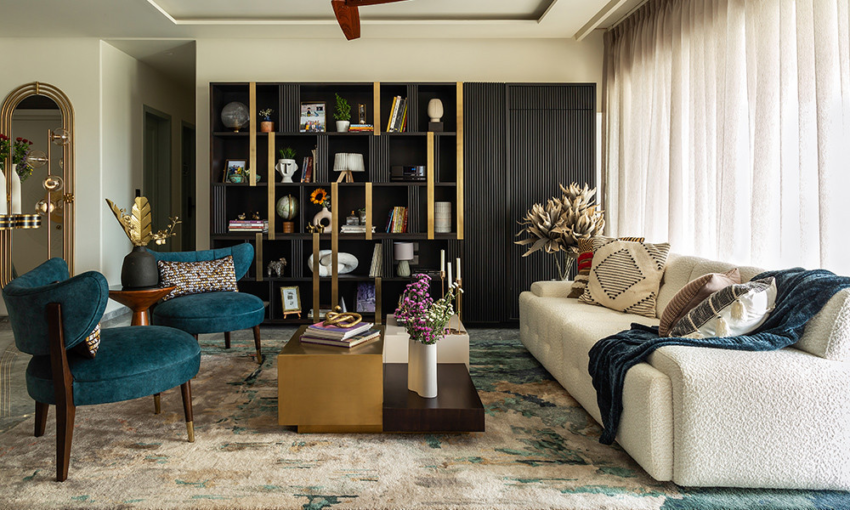
Minimalism is no longer the dominant lifestyle philosophy in America. In 2026, a new movement called Intentional Abundance—also known as curated living—is rapidly gaining momentum. Instead of owning less, people are choosing better: surrounding themselves with meaningful, high-quality possessions that reflect identity, comfort, and emotional well-being. This shift blends sustainability, personalization, and conscious spending into a richer way of living.
For nearly a decade, minimalism shaped how Americans decorated their homes, built wardrobes, and even structured their daily routines. White walls, capsule closets, neutral palettes, and the mantra “less is more” dominated social feeds and design magazines alike. Influencers preached decluttering as a path to clarity. Owning fewer than 100 personal items became a badge of honor.
But in 2026, the tide has turned.
Minimalism hasn’t vanished, but it is no longer aspirational in the same way. Instead, a new lifestyle philosophy is exploding across the United States: Intentional Abundance. Sometimes referred to as curated living or value-based maximalism, this trend focuses on meaning rather than minimalism, comfort rather than austerity, and identity rather than aesthetic restraint.
And it’s not just a niche design movement—it’s a cultural shift.
Why Is Minimalism Losing Popularity in 2026?
Minimalism rose to prominence during a period of economic instability, digital overwhelm, and rising consumer fatigue. Organizing experts like Marie Kondo helped popularize the concept of keeping only what “sparks joy.” Documentaries such as Minimalism further cemented the philosophy into mainstream culture.
For many Americans, decluttering was liberating.
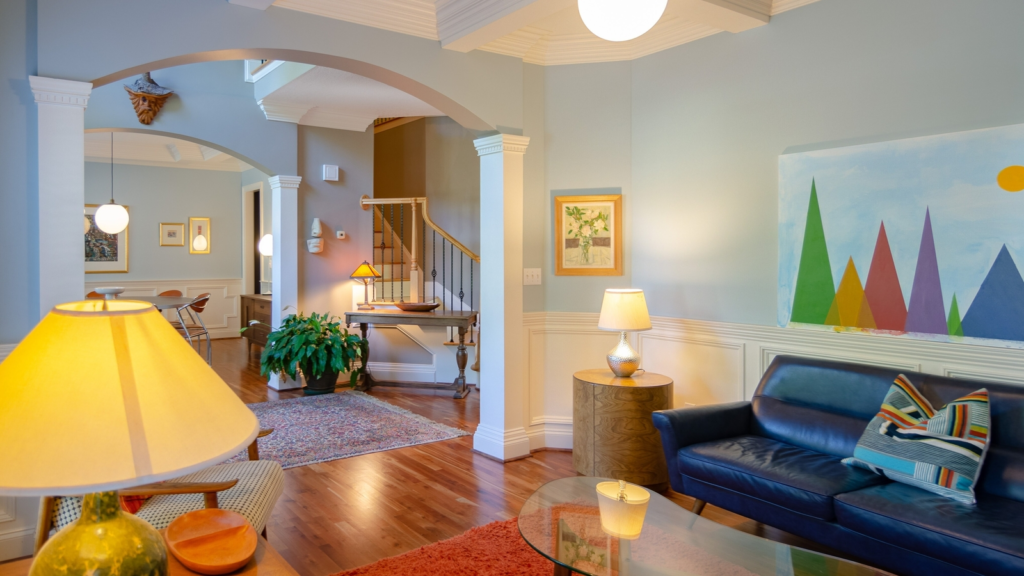
However, over time, minimalism evolved from a freeing mindset into something more rigid. Social media turned simplicity into performance. Homes started to look identical—white sofas, beige throws, empty countertops. Instead of reducing stress, minimalism sometimes created pressure to maintain perfection.
Recent consumer behavior insights support this change. According to Deloitte’s 2025 lifestyle survey, more than 60% of millennials and Gen Z respondents reported prioritizing comfort and personalization over “aesthetic simplicity” in their homes. Meanwhile, Pinterest’s 2026 trend forecast showed a significant rise in searches for “eclectic decor,” “collected interiors,” and “cozy maximalism.”
Americans are no longer chasing emptiness. They are seeking emotional richness.
What Is Intentional Abundance?
Intentional Abundance is not about mindless accumulation. It’s about curating a life filled with items, experiences, and environments that reflect who you truly are.
At its core, this trend emphasizes:
- Meaningful ownership over minimal ownership
- Quality over quantity
- Comfort over starkness
- Personal storytelling over aesthetic conformity
- Conscious spending rather than restrictive spending
Instead of asking, “Can I live with less?” Americans are now asking, “What truly deserves space in my life?”
That shift changes everything.
Real-Life Examples of the Shift
The Austin Remote-Work Couple
In 2021, Sarah and David embraced strict minimalism. Their home featured clean lines, two sets of dishes, and nearly empty walls. But by 2026, working from home full-time changed their needs.
They gradually added:
- Framed photography from their travels
- A vintage rug collected during a trip to New Mexico
- Open bookshelves displaying well-loved novels
- A record player with visible vinyl collections
Their home now feels layered and warm—without being cluttered. They didn’t abandon intentional living; they deepened it.
The New York Creative Professional
Emily, a 32-year-old graphic designer, adopted a capsule wardrobe during the height of minimalist fashion trends. While it simplified decisions, she felt disconnected from her style.
Today, her closet includes:
- Vintage statement coats
- Bold jewelry gathered from artisan markets
- Colorful pieces that reflect her personality
- Sustainable designer staples
She describes the change as “coming back to myself.”
Intentional abundance restored expression without sacrificing mindfulness.
Is Maximalism the Same as Intentional Abundance?
Not exactly.
Traditional maximalism celebrates boldness and visual density. Intentional abundance, on the other hand, is more strategic and emotionally grounded.
Minimalism says: own less.
Maximalism says: own more.
Intentional abundance says: own meaningfully.
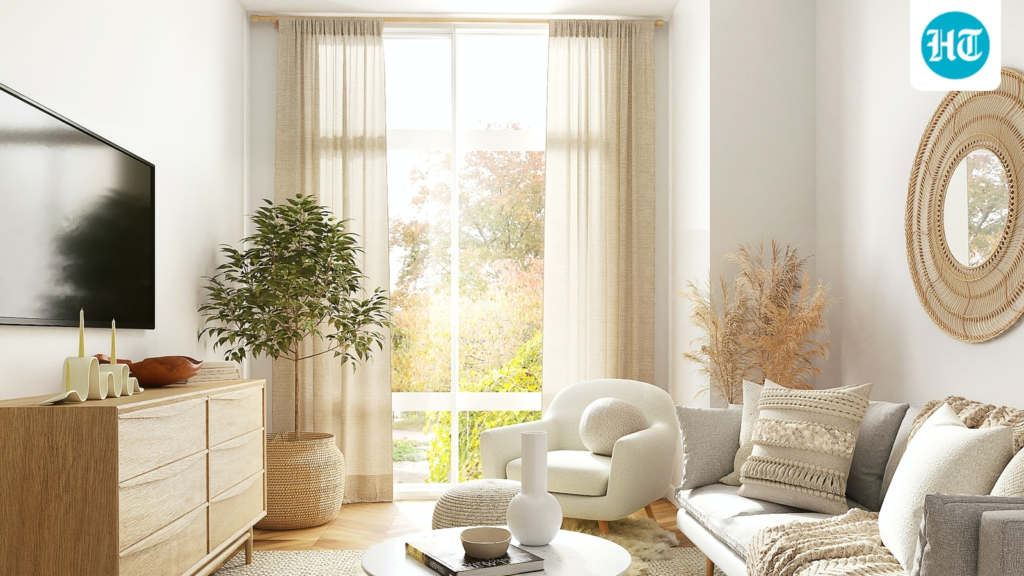
This approach blends restraint with richness. It avoids chaos while embracing warmth. It invites personality without encouraging clutter.
Why Are Americans Embracing This Trend Now?
Several cultural factors are driving this lifestyle evolution.
1. Burnout From Optimization Culture
For years, Americans were told to optimize everything—morning routines, productivity, finances, even home organization. Minimalism became another self-improvement metric.
But people are exhausted.
The same way hustle culture has softened, home life is softening too. Social platforms like TikTok and Instagram have amplified “soft life” conversations that prioritize ease and joy over performance.
2. Identity-Driven Living
In 2026, consumers want homes that reflect:
- Cultural heritage
- Travel memories
- Family traditions
- Creative interests
Blank spaces no longer symbolize success. Personalization does.
3. Emotional Wellness Awareness
According to the American Psychological Association, environments that reflect personal identity contribute to emotional stability and life satisfaction. When homes feel authentic, they support mental health.
Minimalism removed excess. Intentional abundance adds belonging.
How Do You Practice Intentional Abundance Without Overspending?
This trend does not promote reckless buying. In fact, it often encourages smarter financial decisions.
Here’s how Americans are embracing it responsibly:
- Investing in durable, timeless furniture
- Supporting local artisans instead of fast decor brands
- Choosing multi-functional pieces
- Avoiding impulse trend purchases
- Buying slowly rather than all at once
For example, a Denver homeowner recently replaced several inexpensive coffee tables purchased over five years with one handcrafted walnut piece designed to last decades. The upfront cost was higher, but the long-term value—and emotional connection—was greater.
Intentional abundance favors longevity.
What Are Americans Searching About This Trend in 2026?
Search behavior shows a growing curiosity about this shift. Popular natural-language queries include:
- “Is minimalism still popular in 2026?”
- “What is replacing minimalism?”
- “What is intentional abundance?”
- “Is maximalism coming back?”
- “How do I decorate without cluttering?”
- “Is minimalism bad for mental health?”
- “How do I create a cozy but not messy home?”
- “What is curated living?”
- “Why are millennials leaving minimalism?”
- “How do I spend intentionally in 2026?”
Let’s address these directly.
Frequently Asked Questions (2026 Lifestyle Trends)
1. Is minimalism still popular in 2026?
Minimalism still exists, but it’s no longer the dominant aspirational lifestyle. It has softened into more personalized versions rather than strict decluttering philosophies.
2. What lifestyle trend is replacing minimalism?
Intentional abundance—also called curated living or value-based maximalism—is emerging as the defining lifestyle trend of 2026.
3. Is maximalism coming back?
Yes, but in a refined way. The new approach focuses on emotional value rather than visual overload.
4. What is intentional abundance?
Intentional abundance is the practice of surrounding yourself with meaningful, high-quality possessions that reflect your identity and values.
5. How do I avoid clutter while embracing this trend?
Edit carefully. Keep items that serve a purpose, spark joy, or tell a story. Avoid buying solely for trends.
6. Is this trend sustainable?
Yes. It encourages long-term purchasing decisions and discourages disposable consumption.
7. Is intentional abundance expensive?
Not necessarily. It prioritizes thoughtful investment over constant replacement.
8. Why are millennials driving this movement?
Millennials, especially remote workers, are redefining home as both sanctuary and workspace, making comfort and identity more important.
9. Can small apartments embrace intentional abundance?
Absolutely. Even small spaces can incorporate layered textures, artwork, and meaningful decor without overcrowding.
10. Will minimalism disappear completely?
Unlikely. It will continue as a philosophy but in more flexible, individualized forms.
The Emotional Core of the 2026 Lifestyle Shift
At its heart, this transformation is not about furniture or fashion. It’s about reclaiming identity.
After years of digital overwhelm, economic pressure, and productivity obsession, Americans are craving warmth and narrative in their lives. Homes are becoming storytelling spaces rather than showroom replicas.
Shelves filled with books aren’t clutter—they’re memory markers.
Layered textiles aren’t excess—they’re comfort.
Art isn’t decoration—it’s expression.
The goal is no longer to impress others with restraint. The goal is to feel at home.
How to Transition From Minimalism to Intentional Abundance
If you’re ready to evolve your space, start gradually:
- Reintroduce personality pieces you once stored away.
- Layer textures—rugs, throw pillows, framed art.
- Replace one disposable item with a durable investment piece.
- Curate collections instead of hiding them.
- Let your space reflect who you are now—not who you were during peak decluttering culture.
Change doesn’t require a total overhaul. It requires alignment.
Final Thoughts: Why This Trend Matters
Minimalism taught Americans to remove what didn’t matter.
Intentional abundance teaches Americans to add what does.
In 2026, success is no longer defined by empty countertops or monochrome wardrobes. It’s defined by authenticity, emotional intelligence, and sustainable choices.
The future of lifestyle isn’t less or more.