
The 30-Day “Dopamine Reset” Challenge Taking Over TikTok
Quick Summary
The 30-day dopamine reset challenge trending on TikTok is a behavioral experiment designed to reduce overstimulation from social media, ultra-processed foods, gaming, and constant digital input. While you cannot literally “reset” dopamine levels, research in neuroscience and behavioral psychology suggests that reducing high-intensity rewards can improve focus, emotional regulation, motivation, and sleep. When done thoughtfully, this 30-day challenge can help recalibrate habits and restore intentional living.
If you’ve spent even five minutes scrolling TikTok lately, you’ve likely seen creators announcing their “dopamine reset.” They’re deleting apps, quitting sugar, waking up at sunrise, reading physical books, journaling daily, and documenting dramatic transformations.
The promise?
Better focus.
Less anxiety.
More motivation.
A calmer mind.
But what exactly is the 30-day dopamine reset challenge? Is it scientifically sound, or just another viral wellness trend? And why are so many Americans trying it right now?
This comprehensive guide breaks down the neuroscience, psychology, practical steps, risks, and real-life outcomes—so you can decide whether it’s worth trying.
What Is a Dopamine Reset?
To understand the trend, we first need to clarify what dopamine actually does.
Dopamine is a neurotransmitter involved in:
- Motivation
- Reward anticipation
- Habit formation
- Pleasure signaling
- Goal-directed behavior
Contrary to popular belief, dopamine is not simply the “pleasure chemical.” It’s more accurate to describe it as the brain’s motivation molecule. It drives you to seek rewards.
The concept of a “dopamine detox” gained attention in 2019 when psychiatrist Dr. Cameron Sepah described a structured method to reduce impulsive behaviors. Importantly, he never suggested eliminating dopamine (which would be biologically impossible). Instead, he advocated reducing overstimulating behaviors to regain control over habits.
TikTok adapted the idea into a 30-day challenge.
Why Is the Dopamine Reset Trend Exploding Now?
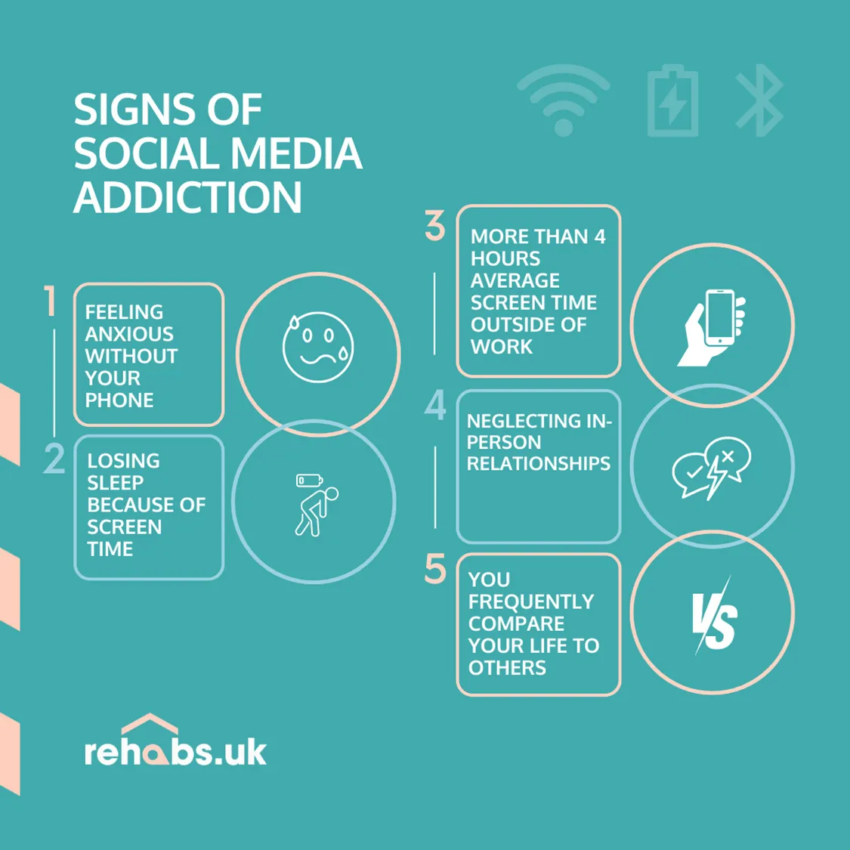
Americans are overstimulated.
According to research frequently cited in behavioral studies, the average American checks their phone close to 100 times per day. Social media platforms are engineered to maximize engagement through unpredictable rewards—likes, comments, short-form videos, algorithmic novelty.
Meanwhile, the American Psychological Association has consistently reported that chronic stress levels in the U.S. remain high. Digital overload is often identified as a contributing factor.
The dopamine reset trend resonates because it feels like reclaiming control in a world designed to capture attention.
It offers structure in chaos.
What Does the 30-Day Dopamine Reset Challenge Typically Involve?
There’s no official rulebook, but most versions include reducing or eliminating:
- Social media use
- Short-form video consumption
- Ultra-processed foods
- Excess sugar
- Binge streaming
- Video gaming
- Pornography
- Impulse online shopping
- Multitasking
Participants replace these behaviors with:
- Exercise
- Reading
- Journaling
- Meditation
- Skill development
- Outdoor time
- Consistent sleep schedules
The intention is not punishment—it’s recalibration.
What Happens to Your Brain During a Dopamine Reset?
Many Americans search:
“What happens to your brain during a dopamine detox?”
Here’s what behavioral science suggests.
Week 1: Withdrawal and Discomfort
If you’ve been heavily reliant on digital stimulation, the first week often feels uncomfortable.
Real-life example:
Emily, 26, deleted TikTok and Instagram for 30 days. By day four, she found herself instinctively reaching for her phone during breaks. She described feeling restless and “understimulated.”
This phase may include:
- Irritability
- Boredom
- Cravings
- Restlessness
Your brain has grown accustomed to rapid, high-intensity rewards. Removing them disrupts established habit loops.
Week 2: Emotional Awareness
Without constant distraction, emotions surface.
Many participants report realizing they were using scrolling to avoid stress, loneliness, or overwhelm.
Sleep often improves during this phase—especially if nighttime screen use decreases. Reduced exposure to late-night digital stimulation supports healthier sleep cycles.
Week 3: Recalibration of Reward
By week three, something shifts.
Participants often report:
- Increased focus
- Longer work sessions
- Reduced cravings
- Greater enjoyment of simple activities
Reading feels immersive again. Conversations feel deeper. Walks feel calming instead of boring.
This isn’t a magical dopamine reset—it’s behavioral retraining.
Week 4: Intentional Living
By day 30, most successful participants report feeling more intentional about their habits.
Marcus, 34, stopped late-night gaming and limited YouTube use. By week four, he completed an online certification he had delayed for years. He described feeling “less scattered.”
The key change wasn’t neurochemical—it was environmental.
He removed distractions.
Is the Dopamine Reset Scientifically Real?
This is one of the most searched questions.
You cannot “reset” dopamine like resetting a device.
However, behavioral psychology supports the idea that constant overstimulation can reduce sensitivity to everyday rewards. Studies on behavioral addictions (such as gaming and social media overuse) show similar brain pathways to other compulsive behaviors.
Reducing high-intensity stimuli allows lower-intensity activities to regain motivational value.
So while “dopamine reset” is simplified language, the habit-restructuring principle has scientific grounding.
Does a Dopamine Reset Improve Focus?
Many Americans try the challenge specifically for productivity.
Why it may help:
- Social media fragments attention.
- Constant novelty trains the brain to expect rapid rewards.
- Deep work requires delayed gratification.
When you reduce short-term dopamine spikes, tasks requiring sustained effort become more tolerable.
Participants frequently report that:
- Reading endurance improves
- Work sessions last longer
- Procrastination decreases
Can a Dopamine Reset Reduce Anxiety?
Overexposure to social comparison, news cycles, and algorithmic content can heighten anxiety.
Reducing digital input often leads to:
- Lower social comparison
- Fewer emotional triggers
- Improved sleep
- Increased real-world connection
While not a treatment for clinical anxiety, many people experience relief from overstimulation.
What Are the Benefits of a 30-Day Dopamine Reset?
Reported benefits include:
- Increased mental clarity
- Stronger self-discipline
- Improved sleep quality
- Better emotional regulation
- Healthier eating habits
- Reduced impulsive spending
- More productive mornings
- Greater life satisfaction
The common theme?
Intentionality replaces reactivity.
What Are the Risks?
It’s important to approach the challenge responsibly.
Potential downsides include:
- Over-restriction
- All-or-nothing thinking
- Social isolation
- Guilt around normal pleasures
- Rebound behavior
If you attempt to eliminate every enjoyable activity overnight, burnout is likely.
Balance is essential.
How to Do a 30-Day Dopamine Reset the Right Way
Instead of going extreme, try a structured approach:
Step 1: Audit Your Habits
Track your:
- Screen time
- Sugar intake
- Streaming hours
- Impulse purchases
Awareness creates clarity.
Step 2: Identify Your Top 2 Distractions
Focus only on the biggest issues.
If TikTok consumes 3 hours daily, start there.
Step 3: Replace, Don’t Remove
If you delete an app, replace it with:
- A 20-minute walk
- Audiobooks
- Learning a new skill
- Creative hobbies
Empty time invites relapse. Structured alternatives prevent it.
Step 4: Add Friction
Simple environmental changes help:
- Keep phone out of bedroom
- Turn off nonessential notifications
- Move social apps off home screen
- Use grayscale mode
Small friction creates big results.
Step 5: Reflect Weekly
Ask yourself:
- What cravings decreased?
- What improved?
- What felt extreme?
- What will I continue long-term?
This turns a 30-day challenge into sustainable habit change.
10 Frequently Asked Questions About the 30-Day Dopamine Reset
1. How long does it take to reset dopamine levels?
There is no biological “reset timer.” However, many people notice behavioral improvements within 2–4 weeks.
2. Can I still use my phone during a dopamine reset?
Yes. The goal is intentional use—not complete elimination.
3. Is dopamine detox safe?
For most healthy adults, yes. If you have anxiety, depression, ADHD, or a history of eating disorders, consult a professional before making drastic changes.
4. Does a dopamine reset help ADHD?
It may improve focus by reducing distractions, but it does not replace medical treatment.
5. What foods should I avoid?
Most participants reduce ultra-processed foods and excess sugar to stabilize energy levels.
6. Do I need to quit caffeine?
Not necessarily. Some people limit caffeine, but it’s optional.
7. What happens if I relapse?
Nothing catastrophic. Resume the next day. Consistency matters more than perfection.
8. Is this trend backed by science?
The phrase “dopamine reset” is simplified, but habit restructuring and stimulus control are evidence-based behavioral strategies.
9. Why 30 days specifically?
Thirty days provides enough time to disrupt old habit loops and establish new routines.
10. Will a dopamine reset make me happier?
It can increase life satisfaction by improving presence, focus, and control over your time.
Who Should Avoid a Strict Dopamine Reset?
- Individuals with eating disorders
- Those experiencing severe depression
- People in addiction recovery without professional guidance
Moderation and personalization are crucial.
Final Thoughts: Is the 30-Day Dopamine Reset Worth Trying?
The 30-day dopamine reset challenge isn’t magic. It won’t transform your brain chemistry overnight.
But it can transform your habits.
In a culture built on instant gratification, choosing delayed gratification feels radical. Reducing overstimulation often restores clarity, focus, and emotional balance—not because dopamine disappears, but because you regain control over what stimulates it.
The true power of this trend lies in awareness.
When you consciously design your environment instead of reacting to it, your productivity, mental clarity, and overall well-being often improve naturally.