
Summary
The 7 A.M. habit is not about extreme early rising—it’s about protecting the first focused hour of your day for intentional thinking, energy management, and proactive action. Backed by behavioral science and real-world executive routines, this simple shift reduces stress, increases productivity, and strengthens long-term performance without burnout.
In a culture obsessed with 4 A.M. wake-ups and “rise and grind” mentalities, something quieter—and arguably more powerful—is happening across the United States.
America’s most successful professionals aren’t necessarily waking up earlier.
They’re waking up intentionally.
The 7 A.M. habit isn’t about heroic discipline or punishing schedules. It’s about reclaiming the first meaningful hour of your day before the world begins demanding your attention. And that shift—from reactive to proactive—may be one of the most underrated performance upgrades of this decade.
Let’s explore what this habit really is, why it works, the science behind it, and how you can implement it in a sustainable way.
What Is the 7 A.M. Habit?
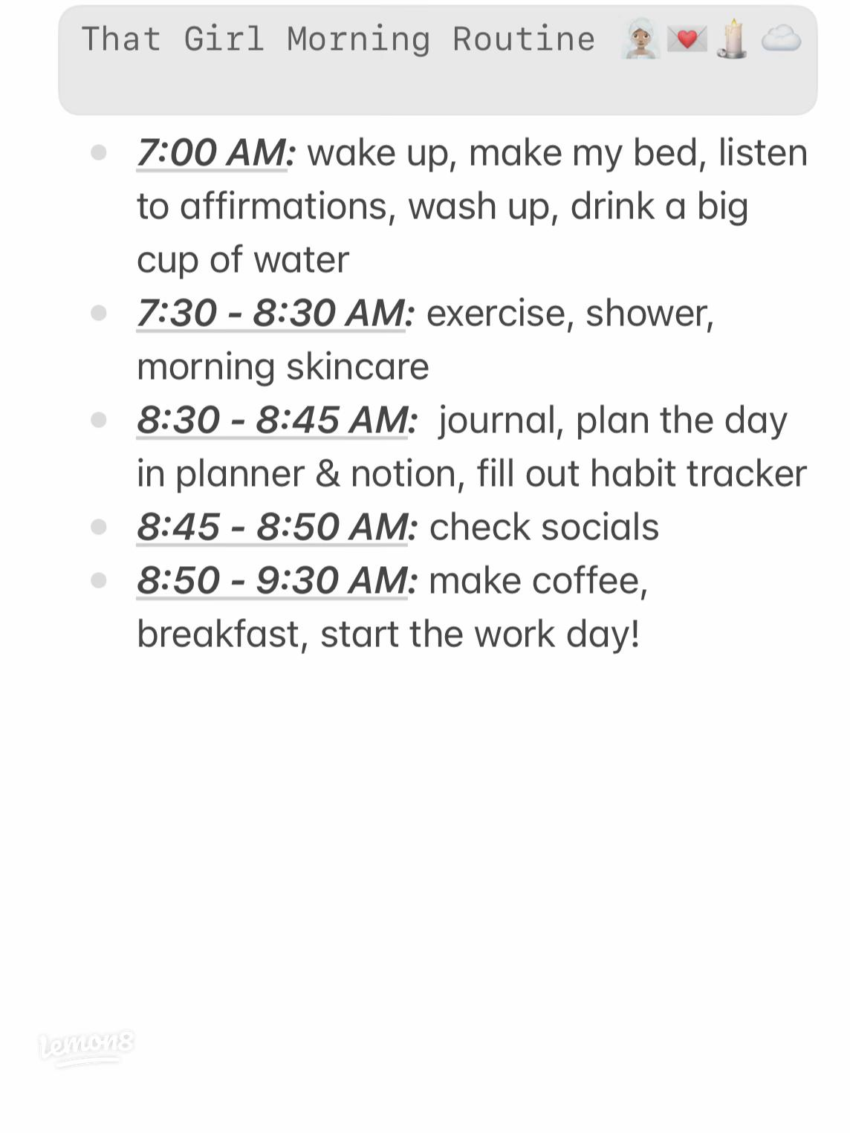
The 7 A.M. habit refers to deliberately protecting the first hour of your day—typically between 7:00 and 8:00 A.M.—for high-value, distraction-free activities.
It’s not about waking up at exactly 7 A.M.
It’s about how you use your first hour of wakefulness.
For most Americans, mornings look like this:
- Checking email before getting out of bed
- Scrolling social media
- Responding to Slack messages
- Watching news updates
- Reacting to notifications
By 8:15 A.M., attention has already been outsourced.
The 7 A.M. habit flips the script.
Instead of reacting, high performers use that first hour to:
- Think strategically
- Exercise lightly
- Journal or plan
- Read something valuable
- Work on one deep-focus task
The power lies in protection and intention.
Why Is the First Hour So Powerful?
1. Cognitive Clarity Is Highest in the Morning
Research from the American Psychological Association shows that decision fatigue accumulates throughout the day. The more choices you make, the lower the quality of your later decisions.
In the early morning:
- Mental bandwidth is fresh
- Emotional stress hasn’t peaked
- Interruptions are minimal
- Digital noise is lower
This makes it prime time for strategic thinking and focused effort.
2. Morning Proactivity Sets the Emotional Tone
How you begin your day determines whether you feel in control—or behind.
If your day starts with reacting to emails, you subconsciously signal to your brain:
“I’m responding to life.”
If your day starts with intentional action, you reinforce:
“I’m directing my life.”
That psychological shift compounds over time.
3. Reduced Cortisol Spikes
Immediate phone use upon waking increases stress hormone activity. Constant alerts trigger micro stress responses.
Protecting your first hour lowers morning anxiety and stabilizes emotional rhythm. Many professionals report feeling calmer, even without increasing total productivity hours.
Real-Life Examples: How This Habit Plays Out
The Startup Founder in Austin
A SaaS founder once began his mornings by checking Slack at 6:30 A.M. Within minutes, he was responding to problems before fully waking up.
After implementing a protected 7 A.M. hour for roadmap thinking and strategic planning, he noticed:
- Clearer weekly priorities
- Fewer reactive pivots
- More thoughtful decision-making
Revenue didn’t skyrocket overnight—but leadership clarity improved dramatically.
The Marketing Executive in Chicago
A working mother of two shifted her morning routine by waking 45 minutes earlier. From 7 to 8 A.M., she:
- Did 15 minutes of stretching
- Reviewed her top three daily priorities
- Spent 20 minutes on focused writing
Within months, she reported feeling less behind during the day. Her biggest win wasn’t time—it was emotional control.
The ER Physician in California
Burnout is common in healthcare. One emergency physician began using 7 A.M. for structured reflection journaling after shifts.
Over six months, stress perception declined significantly. Studies from major U.S. medical institutions show reflective writing reduces emotional exhaustion and improves resilience.
The change wasn’t dramatic. It was disciplined and consistent.
What Do Successful Americans Actually Do at 7 A.M.?
The habit varies by individual, but patterns emerge.
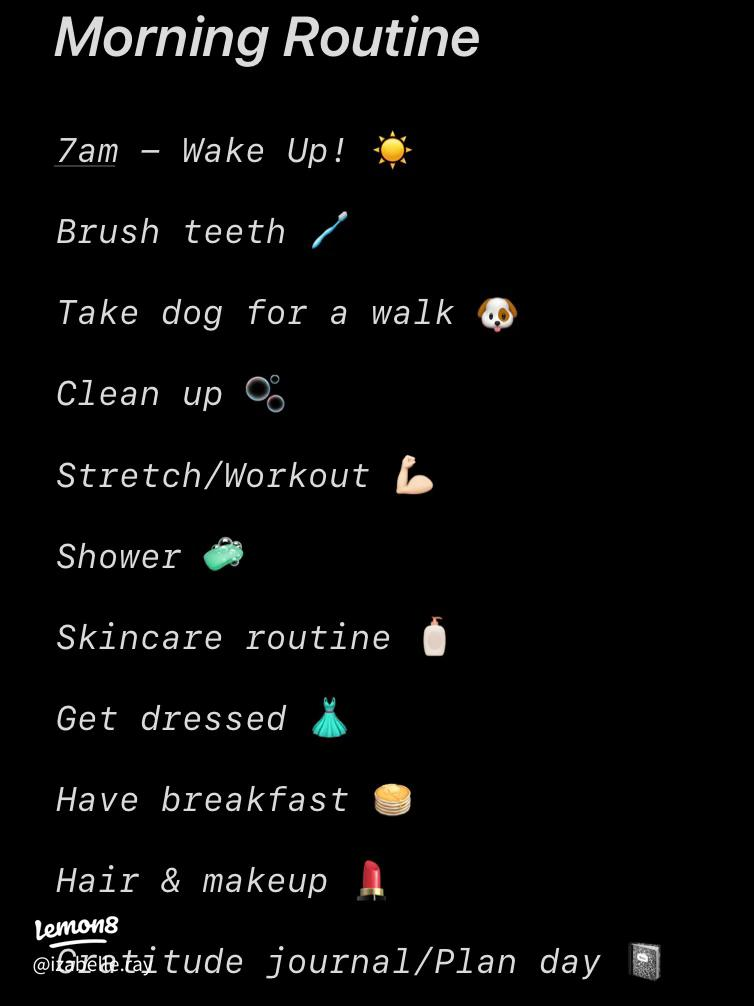
Common 7 A.M. activities include:
- Deep work on priority projects
- Reading nonfiction or industry insights
- Strategic goal review
- Journaling to clarify thoughts
- Meditation or breathwork
- Moderate exercise
- Creative writing or brainstorming
The key principle: Advance something meaningful before the world interrupts you.
Is Waking Up Earlier Always Better?
Not necessarily.
Adults need 7–9 hours of sleep for optimal performance. Sacrificing sleep to wake earlier can harm productivity, focus, and long-term health.
The 7 A.M. habit works when:
- Sleep is preserved
- The hour is protected
- Digital distractions are eliminated
Sustainability beats extremism.
The Neuroscience of the 7 A.M. Habit
1. Strengthening Executive Function
When you initiate purposeful action first thing in the morning, you strengthen neural circuits tied to discipline and planning.
Repeated behavior reinforces identity.
You move from:
“I’m always busy.”
To:
“I’m proactive.”
2. Dopamine and Momentum
Completing a meaningful task early releases dopamine. That chemical reinforcement boosts motivation and increases the likelihood of continued productivity.
It creates momentum that carries into the afternoon.
3. Attention Training
In today’s economy, attention is currency. By protecting your first hour, you train your brain to resist impulsive digital stimuli.
That discipline transfers into work meetings, project focus, and even personal relationships.
What Should You Avoid During the 7 A.M. Hour?
To maximize the benefit:
- No email
- No social media
- No news cycles
- No Slack or Teams messages
- No reactive texting
- No passive entertainment
These activities shift your brain into defensive mode.

How to Build the 7 A.M. Habit Step-by-Step
Week 1: Establish Consistency
- Wake at the same time daily
- Avoid phone use for 20 minutes
Week 2: Introduce Structure
- Add 15 minutes of intentional activity
- Define one priority task
Week 3: Expand Focus
- Extend to 30 minutes of deep work
- Track how you feel after
Week 4: Protect the Full Hour
- Block calendar if necessary
- Communicate boundaries
Small steps lead to sustainable habits.
Common Pain Points (And Solutions)
“I don’t have time.”
Wake 30 minutes earlier or reduce evening screen time.
“My kids wake up early.”
Use even 20–30 minutes. Partial protection still works.
“I’m not a morning person.”
Align with your chronotype. If your natural wake time is 8 A.M., protect 8–9 A.M.
“I check my phone out of habit.”
Charge it outside the bedroom. Use a traditional alarm clock.
What Happens After 30 Days?
Reported benefits include:
- Lower morning anxiety
- Increased productivity
- Improved clarity
- Stronger goal alignment
- Reduced procrastination
- Better emotional regulation
The change often feels subtle at first. Then suddenly, mornings feel calmer and days feel less chaotic.
Frequently Asked Questions (FAQ)
1. Does waking up at 7 A.M. automatically make you successful?
No. Success comes from how you use the hour, not the clock time itself.
2. Is 7 A.M. better than 5 A.M.?
For most Americans balancing work and family, 7 A.M. is more sustainable and realistic.
3. What is the best activity to do at 7 A.M.?
The highest-return activity is one that advances a meaningful goal and requires focus.
4. How long does it take to build this habit?
Most research suggests 30–60 days of consistent repetition to automate behavior.
5. Can this habit reduce burnout?
Yes, especially when used for reflection, exercise, or strategic planning.
6. Should I exercise or do deep work first?
Choose based on goals. Exercise boosts energy; deep work drives outcomes.
7. What if I work night shifts?
Protect your first waking hour—regardless of the clock time.
8. Is it okay to check email briefly?
Avoid it. Even short exposure shifts your brain into reactive mode.
9. Can remote workers benefit more?
Yes. Flexible schedules make it easier to protect morning time.
10. What’s the biggest mistake people make?
Trying to overhaul their entire routine overnight instead of building gradually.
The Bigger Insight: Energy Management Over Time Management
Top performers don’t obsess over squeezing more hours into the day.
They optimize their highest-energy windows.
The 7 A.M. habit works because:
- Energy is highest
- Willpower is strongest
- Interruptions are lowest
- Emotional stability is greater
It’s not about hustle.
It’s about strategic momentum.
Final Thoughts: Why This Quiet Shift Matters
In an era defined by digital overload and constant urgency, reclaiming one protected hour is radical.
The 7 A.M. habit doesn’t require wealth, privilege, or extreme discipline.
It requires a boundary.
And in today’s attention economy, boundaries create leverage.
Start tomorrow. Protect one hour. Advance one meaningful task.
The rewiring won’t happen overnight—but within weeks, you may notice something powerful:
You’re no longer reacting to your day.