
Summary:
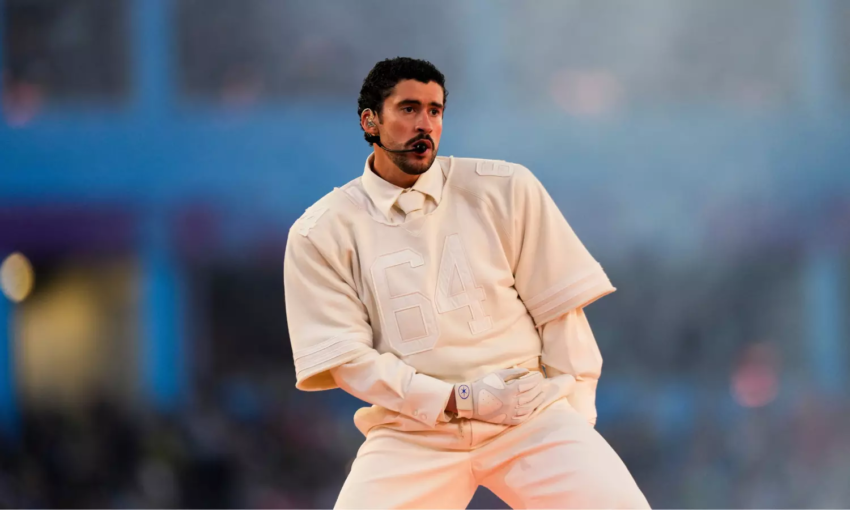
In early 2026, Puerto Rican global superstar Bad Bunny became the center of a heated cultural and political firestorm in the United States. His historic Super Bowl halftime performance — entirely in Spanish and infused with Latino identity — drew national praise and intense criticism from high-profile political figures and major influencers alike. This unprecedented collision of pop culture and partisan politics sparked widespread discussion online and in mainstream media.
Introduction: When Music Industry Impact Meets Political Crossfire
Bad Bunny, born Benito Antonio Martínez Ocasio, isn’t just one of the most streamed artists in the world — he’s a cultural icon shaping identity, language, and representation in mainstream media. His Super Bowl LX halftime show, a first-ever solo Spanish-language performance, became more than a musical moment. It turned into a cultural phenomenon and a political flashpoint.
Millions of fans celebrated the performance worldwide, but high-profile critics emerged from unexpected corners, including politicians and social media influencers. One of the most discussed critiques came from Karoline Leavitt, former White House press secretary, who criticized Bad Bunny despite previously featuring his music in a personal Instagram Reel. This article explores the broader significance of the event, the critics, and the implications for pop culture and politics.
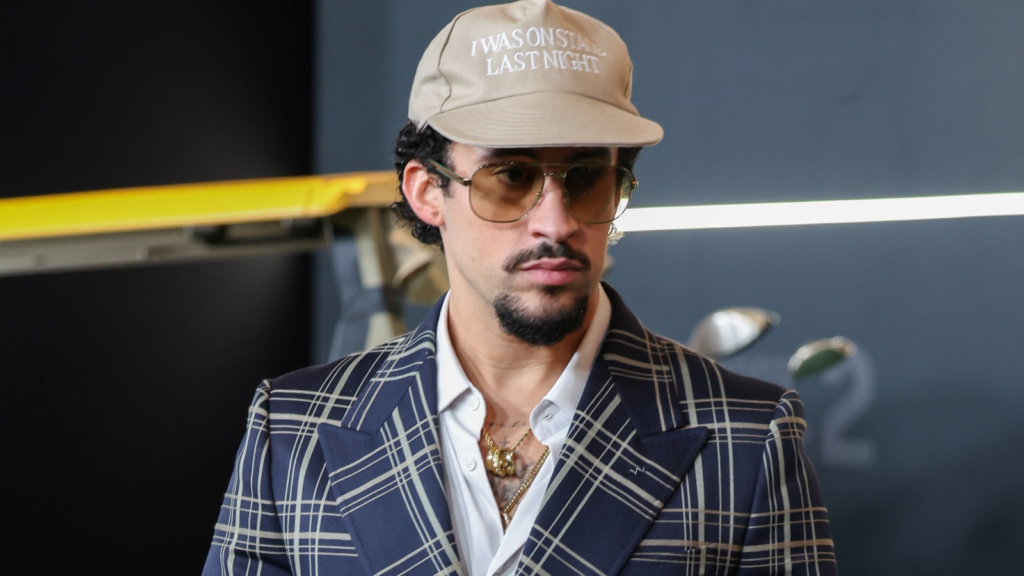
Why Bad Bunny’s Super Bowl Performance Became a Flashpoint
Cultural and Political Themes in the Halftime Show
Bad Bunny’s performance was more than a musical showcase — it was a statement:
- Celebration of Puerto Rican identity and Latino culture: Most of the songs were in Spanish, a first for a solo Super Bowl halftime show.
- Expansion of American identity: The performance emphasized that being American can include a wide range of cultural experiences and languages.
- Messages of unity and inclusion: Through music and imagery, the show resonated with diverse audiences.
The show’s symbolic weight was amplified by the fact that it was broadcast to over 128 million viewers in the United States alone.
The Unexpected Critics: Politicians and Influencers Weigh In
1. Karoline Leavitt: Contradiction in Public Criticism
The most ironic critique came from Karoline Leavitt, who publicly criticized Bad Bunny for his political statements, only to have social media reveal she had previously used his song “DtMF” in her Instagram Reel.
- This contradiction sparked viral mockery and questions about authenticity among political figures.
- Her comments demonstrated how public figures’ personal tastes can conflict with political messaging in highly visible moments.
2. Former President Donald Trump: Political Outrage and Cultural Clash
Former President Trump criticized Bad Bunny on social media, describing the performance as “terrible” and “not reflective of American values.”
- Use of Spanish: Trump framed the Spanish-language performance as alienating to mainstream American audiences.
- Cultural identity: His remarks triggered a nationwide debate on who defines American values and representation in mainstream entertainment.
According to a YouGov poll, 35% of Americans preferred Bad Bunny’s official halftime show, while 28% favored a proposed “All-American Halftime Show.” This demonstrated a clear cultural divide.
3. Jake Paul and the Social Media Boycott Attempt
Social media influencer and boxer Jake Paul called for a boycott of the halftime show.
- He questioned Bad Bunny’s Americanness despite Puerto Ricans being U.S. citizens.
- His brother, Logan Paul, defended Bad Bunny, emphasizing Puerto Rican citizenship and challenging the boycott.
The incident showed how social media can escalate cultural debates quickly, turning entertainment events into political controversies.
What Critics Actually Said: Real Examples
Here are some real statements from the controversy:
- Trump: Called the performance “terrible” and controversial for its Spanish-language content.
- Karoline Leavitt: Criticized Bad Bunny’s political influence while facing backlash for previously using his music.
- Jake Paul: Attempted a social media boycott and questioned Bad Bunny’s U.S. identity.
💡 Important clarification: AI-generated images circulated online suggesting Bad Bunny burned the U.S. flag. Fact-checkers confirmed these were false.
Real-Life Reactions: How Americans Responded
Public reaction was intense:
- Fans: Defended Bad Bunny and celebrated the cultural significance of his performance.
- Journalists and commentators: Figures like Piers Morgan criticized the detractors, noting the cultural misunderstanding.
- Polling data: Surveys revealed partisan divides in preference for the halftime show.
The debate revealed how pop culture moments can act as proxies for broader ideological conflicts in society.
Why This Matters: Cultural Stakes Behind the Headlines
The Bad Bunny controversy reflects deeper societal questions:
- Language and inclusion: Should mainstream U.S. entertainment prioritize English, or celebrate multilingualism?
- National identity: Who defines American values in cultural contexts?
- Political leverage: How do politicians use entertainment events to support ideological narratives?
This moment demonstrates how pop culture intersects with politics, shaping conversations about identity, representation, and social values.
FAQ: Trending Questions Americans Are Searching Right Now
1. Did a politician really criticize Bad Bunny’s Super Bowl show?
Yes, figures including Karoline Leavitt and former President Trump publicly criticized Bad Bunny.
2. Why is Bad Bunny controversial in politics?
His Super Bowl performance emphasized Latino identity, Spanish language, and cultural representation, which some critics framed as controversial.
3. Was Bad Bunny’s performance investigated by the FCC?
Yes, Republican Rep. Randy Fine called for an FCC review, but the agency found no violations.
4. Is Bad Bunny a U.S. citizen?
Yes, he was born in Puerto Rico, making him a U.S. citizen.
5. Did Jake Paul call for a boycott?
Yes, Jake Paul urged fans to boycott the show, sparking a viral debate online.
6. Did any celebrities support Bad Bunny?
Yes, artists and public figures, including Lady Gaga and Piers Morgan, defended him.
7. Was there a counter-event to the halftime show?
Yes, Turning Point USA organized an “All-American Halftime Show” with country artists as an alternative cultural event.
8. Why are people upset about Spanish language at the Super Bowl?
Some critics framed the Spanish-language performance as exclusionary, despite its cultural significance.
9. Did social media spread fake images of Bad Bunny?
Yes, AI-generated images suggesting he burned the U.S. flag were debunked by fact-checkers.
10. What did polls show about audience preferences?
Polling showed a slight majority preferred Bad Bunny’s official performance over alternatives, revealing cultural divides.
What This Means for Pop Culture and Politics
- Artistic expression is increasingly politicized, even when unintentional.
- Cultural representation in mainstream media is crucial for identity visibility.
- Social media amplifies scrutiny and contradictions among public figures.
Bad Bunny’s Super Bowl performance exemplifies how entertainment can spark national debates about identity, values, and inclusion.
Conclusion: A Cultural Flashpoint for the Ages
Bad Bunny’s 2026 Super Bowl performance was more than a musical showcase — it ignited a nationwide debate on identity, representation, and cultural politics. Criticism from politicians and influencers highlighted the collision of entertainment and political ideology, while fans celebrated his cultural milestone.
This moment is a clear example of how pop culture can influence national conversations, making artists like Bad Bunny pivotal figures in ongoing discussions about what it means to be American in 2026.